The FDA’s Next Steps on CBD—Q1 and Q2 2021 Will Be Critical

Entrepreneurs in the CBD space have conflicting views on the FDA. While this federal agency will ultimately be responsible for ushering in the era of mainstream CBD commerce, the FDA has seemingly made life harder for many domestic hemp producers and brands.

While it’s true that the FDA has cracked down on certain companies for violating laws that prohibit unproven medical claims, it’s not as if this government agency has a negative overall position on CBD.¹ As new insider information from GVB’s own Drew Spiegel suggests, the FDA may have a remarkably positive perspective toward CBD and is simply hamstrung by the existing state of pharmaceutical law.

In this critical update on the current status of United States CBD regulation, learn how Congress, the White House, and even the FDA itself are actively lobbying for comprehensive regulatory changes that will classify CBD as a dietary supplement during the first half of next year. It turns out that the FDA is friendlier toward the CBD industry than anyone expected, and we’ll explain why as we continue.
What the FDA has said about CBD so far

Over the last few years, CBD companies have developed an unfortunate habit of receiving the latest FDA updates with a mixture of resentment and trepidation. At multiple points starting in early 2017, the FDA has released communications that seemingly put the CBD industry in jeopardy by threatening non-complying companies with legal action, including injunction and/or seizure of product.² In some cases, uninitiated pundits and consumers have spread these announcements far and wide as proof that the “walls are closing in” on the unregulated, and therefore apparently dangerous, domestic hemp industry.

What many commentators have failed to recognize, however, is that the FDA is inherently a regulatory agency. It does not pass laws, and it only makes policies based on its interpretation of laws that Congress has devised. If the FDA has come across as being critical or antagonistic toward the CBD industry, it is only because existing CBD laws are still not the friendliest. If we look beyond the ominous warning letters that the FDA continues to send to CBD companies that violate regulations, it’s clear to see that this federal agency is actually remarkably hopeful regarding the potential therapeutic value that CBD may offer.

The FDA is not anti-CBD

Soon after the 2018 Farm Bill was signed into law, then-FDA commissioner Scott Gottlieb released a statement reiterating how important it is to fully research active components of Cannabis sativa. Later in 2019, the FDA held a public hearing during which hemp industry stakeholders provided valuable information regarding the safety and potential utility of CBD and other cannabis constituents.

As if this point wasn’t already clear enough, the FDA took the time in July of 2019 to release a statement confirming how committed this federal agency was to producing reliable, science-oriented CBD policy. In March of this year, the FDA released an update on its efforts to better understand the therapeutic potential of CBD, and in July, this government agency paved the way toward a more streamlined approach to CBD clinical studies.

In September, the FDA announced that it would soon produce guidance that will make it easier to approve CBD-based prescription medications. The FDA also recently provided the White House with a proposal regarding CBD product enforcement, and a recent House Spending bill appropriated funding for CBD regulation. Contrary to appearances, the FDA is actually moving on CBD as quickly as possible while its resources remain significantly limited due to the ongoing pandemic.

D.C. rumors and projections

With the FDA siding with the hemp industry and apparently taking every action necessary to bring CBD into the mainstream, what are the next developments that stakeholders can expect to emerge from the Washington D.C. regulatory apparatus? There’s only so much you can learn from official FDA statements, and for hands-on information on the current status of federal CBD regulation efforts, we turn to GVB Biopharma COO Drew Spiegel, who has extensive connections with lobbyists and other contacts within the Washington establishment.

Reading between the lines

The FDA’s new commissioner, Dr. Stephen Hahn, recently admitted that it would be a “fool’s errand” to say that you can’t use CBD products. According to Hahn, the FDA has “to be open to the fact that there might be some value to these products and certainly Americans think that’s the case.” He went on to reiterate that it’s the FDA’s role to provide consumers with “information to make the right decisions.”³

This statement should put an end to paranoid speculation that the FDA intends to send its very limited force of federal agents to forcibly seize every CBD product and apparatus of CBD suppliers in the USA. Clearly, the FDA has no intention of stopping the CBD industry from functioning, and this agency only wants to make it easier and safer for consumers to access high-quality CBD products.

After multiple years of ceaseless examination, it has apparently become clear to the FDA that CBD has therapeutic potential, and it should now also be clear to hemp industry stakeholders that the FDA intends to take significant action regarding the CBD industry as soon as is reasonably possible. Except for CBD producers and brands that are already in violation of federal laws and FDA policies regarding hemp commerce, these upcoming regulatory changes should be cause for celebration, not dread.

The FDA’s hands are tied by the FD&C Act

Washington insiders indicated to Drew that the FDA is currently highly frustrated by the limits imposed by Title 21 of the United States Code, better known as the Food, Drug, and Cosmetic Act (FD&C Act). The FD&C Act stipulates that a substance currently used in a pharmaceutical drug cannot simultaneously be sold as a dietary supplement. Since the FDA has already approved Epidiolex, a CBD-based prescription drug, for certain types of epilepsy, it is unable to start approving CBD products as dietary supplements as much as it may want to start taking this step.

The opioid crisis looms large

Things are looking positive for the federal CBD situation on a number of fronts. As a result of its extensive investigation into the potential benefits of CBD, it appears that the FDA has been especially impressed by research into the potential anti-addictive properties of this non-intoxicating cannabinoid. This government agency seems to believe that CBD could play a pivotal role in halting the ongoing opioid crisis, which has only accelerated during the COVID-19 crisis.

Congress is pressuring the FDA

We were informed that certain prominent members of Congress are putting significant pressure on the FDA to move forward with the CBD approval process. This initiative has received bipartisan support, but the FDA is pushing back by saying that it cannot take definitive action until Congress passes new legislation modifying the FD&C Act to allow CBD to be sold as a dietary supplement even though Epidiolex is also currently on the market.

The White House is pressuring the FDA

The FDA is also receiving pressure to approve CBD as a dietary supplement from the White House, say Drew’s D.C. insiders. Under the Trump administration, the Executive Branch has engaged in an unprecedented mobilization to address the opioid crisis, which claims more than 70,000 lives every year and leaves countless more Americans suffering from addiction and other opioid-related conditions. Upon receiving reports that CBD could be instrumental in addressing the opioid crisis, the White House is apparently very keen to normalize the CBD industry’s position within the American economy.

The election is causing uncertainty

With less than a week remaining until the first election conducted during a pandemic since 1918, unprecedented levels of mail-in voting may delay the final results of the presidential election by several weeks. The Commissioner of Food and Drugs is appointed by the President and confirmed by the Senate, and it’s entirely possible that a Republican nominee could face a Democratic Senate or vice versa. While we still believe the FDA will provide new rules on CBD during Q1 or Q2 of 2021, it would be unsurprising if this long-awaited action were delayed until Q3 if questions regarding the outcome of the election result in a lengthy nomination and confirmation process for the new FDA commissioner.

CBD could be classified as a dietary supplement as early as Q1 2021

Prior to the COVID-19 pandemic, industry insiders firmly expected comprehensive CBD regulation to arrive no later than Q3 2020. Since resources have been reallocated to respond to the novel coronavirus, however, the inherent issues surrounding CBD regulation were temporarily pushed to the side. In recent weeks, however, there has been a sense throughout Washington that hemp industry regulation has again begun receiving significant attention, and Drew’s insiders report a firm consensus that the FDA’s overhaul of CBD regulation will arrive within the first two financial quarters of 2021.
The FDA has two potential approaches

Unfortunately, within the first quarter of President Biden’s administration, Biden handed the CBD industry another setback by pulling six FDA guidances and rules from its policy review. Nonetheless, the FDA continues to support the CBD industry stating that safety standards are long overdue.While the FDA would clearly like to move on CBD earlier rather than later, it’s important to remember a simple, important fact. Although the FDA’s regulation statements or “final rules” may appear similar to decrees of law, this agency’s only role is to interpret the laws that Congress has provided to deliver rulings on consumer products.

At this stage, the FDA can either wait for Congress to rewrite the FD&C Act to allow CBD dietary supplements to be sold at the same time as Epidiolex, or they can take decisive action to subvert the FD&C act and regulate CBD as a dietary supplement without the approval of Congress. While the details remain unclear, Drew’s insiders have reported that the FDA may have an option at its disposal that would allow CBD to enter the market as a dietary supplement following the production of an incredibly detailed toxicology report definitively proving its safety.

The timeline is the same either way

Regardless of which approach the FDA takes, Washington is convinced that this government agency will fundamentally redirect the national conversation surrounding CBD during the first half of next year. The FDA is, apparently, fully onboard with the CBD movement, and Commissioner Hahn wants to normalize the CBD industry as soon as possible. With the FD&C Act the only significant hurdle remaining in place, the FDA is a single step away from opening the floodgates and definitively liberating CBD from its stifling regulatory gray area.

How to prepare for the coming changes

At long last, a complete rewrite of existing CBD regulations is just around the corner. Now that CBD is finally about to get the recognition it deserves, what steps should you take to position yourself within the transformed domestic hemp economy?

Start thinking mainstream

By this time next year, CBD will no longer be a fringe substance with no official designation. Instead, CBD manufacturers will be encouraged to petition the FDA to classify their products as dietary supplements. CBD products without dietary supplement classification will be subject to punitive action, and to be approved, CBD products and manufacturing facilities will need to be extensively examined by the FDA.

Choose forward-thinking suppliers

As a result, now is probably not the right time to strike out on your own and build an FDA-worthy CBD production lab from scratch. Certain bulk cannabinoid and white label cannabinoid product manufacturers, such as GVB Biopharma, have already started adopting FDA and cGMP guidelines.

Now that CBD is finally becoming legitimized and mainstream, the barrier to entry to the hemp industry will be raised significantly, which serves the best interests of both consumers and manufacturers in the end. With the right cannabinoid supplier at your side, complying with the FDA’s upcoming CBD regulations will be a walk in the park, and your opportunities within the freshly reshaped domestic hemp industry will only become more rewarding.

Federal CBD legalization FAQs

1. What is the latest news on federal hemp legalization?

Federal hemp legalization has not moved forward at exactly the rapid clip we had originally imagined. Due to stalls and starts originating from the COVID pandemic, nationwide hemp legalization of the type that we’d like to see has yet to manifest. There are promising signs, though, that major change is coming this year.

2. What is the 2023 Farm Bill?

In 2023, Congress will vote on a new Farm Bill, an event that generally occurs every five years. The latest Farm Bill will address many of the changing needs of the hemp industry, including the admission of new cannabinoids and easing of maximum THC standards. If what we know about the 2023 Farm Bill so far is any guide, hemp legalization in America will continue to be incremental rather than sudden for the foreseeable future.

3. What will be in the 2023 Farm Bill?

The three most important points that the 2023 Farm Bill is expected to cover in relation to hemp are:

  • Addressing delta 8 and others: Due to an oversight in the 2018 Farm Bill, the federal government has not had adequate tools for dealing with the rise of delta 8 and other new, non-CBD cannabinoids.
  • Increasing the THC limit: Producers have long pointed out that a THC limit of 0.3% is restrictive against free business. The limit of THC in hemp may be raised to 1% this fall.
  • Allowing THC in unfinished products: Unfinished hemp products often contain more than 1% THC, leading to potential legal issues that will hopefully be rectified in the 2023 Farm Bill.

References

1. Garvin, W. H.; Hu-Rodgers, T. FDA Takes Aggressive Action Against CBD Production, November 27, 2019. Insights. Buchanan, Ingersoll, & Rooney. Retrieved from: https://www.bipc.com/fda-takes-aggressive-action-against-cbd-products

2. FDA Writing Staff. FDA Warns 15 Companies for Illegally Selling Various Products Containing Cannabidiol as Agency Details Safety Concerns, November 25, 2019FDA Press Announcements. Retrieved from: https://www.fda.gov/news-events/press-announcements/fda-warns-15-companies-illegally-selling-various-products-containing-cannabidiol-agency-details

3. Hahn, S. M. FDA Advances Work Related to Cannabidiol Products with Focus on Protecting Public Health, Providing Market Clarity, March 05, 2020. FDA Press Announcements. Retrieved from: https://www.fda.gov/news-events/press-announcements/fda-advances-work-related-cannabidiol-products-focus-protecting-public-health-providing-market

4. Bennett, T. FDA CBD Regulations Put on Pause as New Administration Moves In, January 27, 2021. HempGrower. Retrieved from: https://www.hempgrower.com/article/fda-cbd-regulations-withdrawn-biden-administration-usda-final-rule/
Comprehensive Marketing Guide for the CBD Industry | GVB Biopharma

Marketing a hemp product presents unique challenges, but there’s also plenty of room for opportunity. From how to formulate a good product to the various marketing methods that are available, it pays to know as much as you can before your brand launches.

In this guide, we’ll begin by covering the most important information you need to know about marketing cannabinoids. Then, we’ll continue on into an in-depth exploration of how to market cannabinoids in today’s industry, and we’ll finish by explaining the steps you’ll take to launch a successful hemp brand.

Cannabinoid Marketing Overview

Marketing cannabinoids isn’t like selling anything else. Here are just a few examples of the unique factors you’ll need to keep in mind when selling cannabinoid products online or in-store:

– Certain cannabinoids remain in a legal gray area

– As a result, many major ad providers don’t allow the promotion of cannabinoid products

– With many traditional options unavailable, cannabinoid marketing largely centers around organic content

So, to market cannabinoids effectively and without any hiccups along the way, you’ll need to:

1. Educate yourself regarding the current status of cannabinoid laws and regulations

2. Explore alternative marketing approaches

3. Perpetually innovate to stay abreast of the constantly changing hemp industry

Despite initial hurdles you’ll need to overcome, the cannabinoid industry is blossoming with opportunities. Cannabinoids offer genuine benefits, and consumer demand for hemp remains unabated regardless of the current absence of federal government guidance.

True entrepreneurs have always operated outside the mainstream. Marketing cannabinoids simply makes it easier to harness your full entrepreneurial creativity by pushing you to do things your own way.

What is the target market for cannabinoids?

The beauty of cannabinoids lies in their universal appeal. While younger consumers are more likely to be willing to try cannabis in general, older folks are just as interested in cannabinoids due to the perception that they may help with pain relief, mood, or a variety of other common conditions.

In truth, the stigma around the word “cannabis” has dropped significantly. You’d be surprised by how many individuals come around after witnessing the power of these beneficial (and usually non-intoxicating) substances. The cannabinoid cause is truly universal, so it’s just a matter of getting your product in front of the eyes of consumers and differentiating it from the competition.

How do you market cannabinoids?

Due to the unique regulatory environment surrounding cannabinoids, marketing these natural hemp substances can seem harder than it actually is. To show you just how easy it can be to convince consumers to buy your cannabinoid products, we’ll break the process down into three parts: the product, the message, and the methods.

Part 1: The product

Your product should always be the crux of your business and your main focus when beginning to develop a new brand or product line. Instead of making the product the annoying necessity of your marketing plan, make it the center—that’s how successful brands begin.

Quality

Consumers want quality, and they’re getting better at sniffing it out¹. Don’t fall for the allure of deceiving your customers with second-rate products if your end goal is to have a first-rate brand. The truth will come out eventually, and even if you get away with it, there’s still such a thing as right and wrong. Formulate a quality product, and your brand will reap the benefits for years to come.

Diversification

No matter how great your product is, it will likely get swallowed up in the noise created by competing brands unless you make it stand out properly. Diversification is the process of making your product look different from your competition. It doesn’t have to be cheaper, and it doesn’t have to be better. It just has to be different enough to stand out and grab those few seconds of consumer attention² that can ultimately lead to a sale.

Formulation

When it comes to generating repeat customers, it’s what’s under the hood that matters. Taking the time to formulate a uniquely beneficial product will ensure your customers achieve the results they desire, cementing your brand as a reliable provider of a quality product.

Part 2: The message

A product can’t speak for itself. With the right labeling and branding, however, it can captivate your customers long enough to drive sales, but only if you have the core vision to see your project to completion.

Labeling

A cannabinoid product’s labeling should be visually pleasing without being overwhelming. All the important information, including potency and ingredients, should be there. It would be counterproductive, though, to cover your label with too much distracting text and imagery.

Branding

Branding is to marketing as diversification is to product formulation. Your highly diversified product will get lumped in with average competitors unless you properly communicate the unique selling proposition³ of your product—and, even more importantly, how that individual product fits into your overall brand.

Vision

Your brand will fail unless you know what you want to achieve. Every step you take—from product formulation to labeling to branding—should further the overall goal or vision of your enterprise. You want to make money, of course, but how can you convey your vision to consumers in a way that kindles a positive reaction?

Part 3: The methods

Now that you know what to do when it comes to marketing cannabinoids, we need to tell you how to do it. As we mentioned in the beginning, your marketing options are unusually curtailed when you’re selling cannabinoids, but we’ll show you how to see this as an opportunity instead of a hindrance.

Pay-per-click

Despite what you may have heard, it’s possible to purchase pay-per-click (PPC) ad coverage for cannabinoid products. If you want to advertise with Google, Meta, or any of the other big players, though, you’ll need to jump through a ridiculous number of hoops only to most likely get your account suspended anyway without a satisfying explanation. As a result, most cannabinoid brands only utilize PPC ads once they’ve achieved a level of success where it’s possible to funnel funds into a wide variety of projects.

Social media

Although pay-per-click ads may be outside of your brand’s marketing scope, you can still jump on the power of social media marketing anyway. Some cannabinoid brands have amassed whole fleets of influencers who convince their followers to buy products through posts they personally craft. Influencers can be notoriously finicky to work with, and getting enough of them on payroll to make a difference requires a significant time investment. That being said if you have the time, and select the proper influencers to market your products, this can be a very profitable route for any retail brand.

Content

Producing organic content is currently the best marketing method available to cannabinoid brands, and it will likely stay that way for the foreseeable future. Even if the federal government legalizes cannabis anytime soon, corporations are still free to deny cannabinoid advertising if they so choose. By organically leveraging Google’s algorithms to connect your products to questions consumers frequently ask, you can bypass the embargo on paid ads while also flexing your creative copywriting skills.

The GVB product launch process

At GVB Biopharma, we’ve developed a tried-and-true, seven-step process for creating a cannabinoid product from beginning to end. How you choose to market your products beyond that point is your decision to make, but starting off with a high-quality product accompanied by compelling messaging will set your brand up for success. From your first discovery call to the packaging of your finished product, let’s take a look at the GVB product launch process step-by-step.

Step 1: Discovery call

On our first call, we’ll discuss your overall goals as a company to start determining the types of products that might be appropriate. This brief call will give us enough information to get started on some ideas regarding how to build your brand.

Step 2: Product selection

Once we’ve locked down on your needs, it will be time to choose the products you want to include in your cannabinoid line. From capsules to tinctures to tablets to topicals, the options are practically endless, and the unique medley of products you select will become one of the primary distinguishers of your brand.

Step 3: R&D

Custom-made products rarely come out exactly as you’d like them to on the first try. We’ll work with you throughout the research and development process to make sure the formulations we’re developing fall in line with your brand’s vision and goals.

Step 4: Labels

Once your product formulations are ready, it will be time to design your labels. GVB will provide you with label templates and connect you with the nation’s best cannabinoid label providers, but it is up to you to come up with the branding and finalized label designs you want to use for your products.

Step 5: Finalizing

Your products are finished, and your labels are printed. Now, we simply need to narrow down on details like:

  • The number of products you want to produce during the first run
  • When you expect the products to be available
  • Where you’d like the finished products sent

Step 6: Production

With all the details covered, it’s time to start making your products. Each cannabinoid product is made differently, but the process follows the same basic steps each time:

  • Fitting your product into our production team’s schedule
  • Formulating and packaging your unique product formulation
  • Packaging the formulation into the agreed-upon containers
  • Applying your custom-printed labels to the containers
  • Performing quality control and applying any outer packaging

Step 7: Fulfillment

Your cannabinoid products are complete, and they’re ready to go into shipping boxes or crates. Now, the only step is for us to send your products to their intended destination or destinations. We can be flexible with your choice of shipping provider.

Cannabinoid marketing tips

Before we go, we’ll leave you with a few final tips to help you market your brand-new cannabinoid products:

  • Remember that good products sell themselves. Embrace the power of word-of-mouth marketing by making your products something consumers can’t help but share.
  • Don’t waste time on PPC ads when you’re just starting out. Organic social media posts and blog articles on your website are the best first steps for cannabinoid start-ups.
  • Marketing cannabinoids takes a while. Be patient, and don’t expect instant results.

At GVB Biopharma, we’re standing by to make your cannabinoid brand dreams into a reality. Contact us today to learn more about our process, and remember we’re standing by as trusted advisors to assist with any cannabinoid marketing questions you may have.

CBD Marketing FAQs

1. How do I market my CBD company?

While any good CBD product is supported by equally good marketing, it’s important to remember that you’re making a product — not the idea of one. As a result, the ultimate key to marketing CBD is providing genuine value in a way shoppers can understand and access. Finding out how to achieve this goal plays out differently for every CBD brand, but it’s nonetheless a universal ideal to pursue.

2. What is the target market for CBD users?

Unlike some products, CBD is essentially universally appealing with people from all walks of life recognizing and desiring its benefits. Young people, for instance, may use CBD for stress relief while older individuals may use it for pain. Everywhere in-between, people use CBD for purposes both familiar and obscure.

3. Are there advertising regulations for CBD?

In the United States, there are no advertising regulations pertaining particularly to CBD, but there are certain regulations under which CBD falls under due to its general categorization. Technically, for instance, the FDA views CBD as a “new” or untested drug, and as a result, it is illegal to make any claims regarding the ability of CBD to treat medical conditions. Instead, producers must simply point shoppers toward relevant information and leave aside any conclusions.

4. How do I make my CBD business successful?

In the end, the best way to ensure your success as a CBD business is to fill a vacant niche within the market that genuinely needs filling. Treat customers as human beings, and recognize that — despite all the fanfare — selling CBD isn’t all that different from selling anything else.

Sources

  1. 1. O’Brien, K. (2021, May 25). Brands Are Facing the ‘Age of Cynicism,’ From Skeptical Consumers. Adweek. https://www.adweek.com/agencies/brands-are-facing-the-age-of-cynicism-from-skeptical-consumers/
  2. 2. Product Promotion in an Era of Shrinking Attention Span-Indian Journals. (2017). Indian Journals. https://www.indianjournals.com/ijor.aspx?target=ijor:ijemr&volume=7&issue=2&article=014
  3. 3. Unique Selling Proposition (USP) – Entrepreneur Small Business Encyclopedia. (2022, March 23). Entrepreneur. https://www.entrepreneur.com/encyclopedia/unique-selling-proposition-usp

Which Cannabinoid Products Sell Best? [Updated 2025]

The compliant cannabinoid industry is undergoing unprecedented change. Not only is CBD not the only non-intoxicating cannabinoid on the block anymore, but the massive shift to online sales is rewarding certain types of CBD products and reducing the emphasis on others.

To learn how to position yourself in the changing cannabinoid economy, you’ll need to study recent market trends and put together a dynamic branded product portfolio that caters to the times. Leveraging the latest report from acclaimed cannabis market analytics firm Brightfield Group, learn which CBD, CBG, and CBN products are currently the most popular, and discover how to build a brand that will stand the test of time.


2025 Updates: Regulatory Shifts & Market Expansion

2023 Farm Bill Revisions (Effective 2024–2025)

The updated Farm Bill included more precise definitions for hemp-derived products and introduced clearer caps on permissible THC levels for extraction and end-consumer products (especially focusing on Delta-8 and Delta-10 THC).

Some states have enacted or tightened bans/restrictions on certain hemp-derived psychoactive cannabinoids (e.g., Delta-8 THC, THC-O) prompting manufacturers to adopt more transparent labeling, product testing, and compliance strategies.

FDA & Consumer Product Guidelines

In late 2024, the FDA provided additional guidelines for CBD-infused dietary supplements, which included stricter labeling, recommended serving sizes, and safety warnings. This has led many reputable brands to focus on compliance and third-party certifications (e.g., cGMP, ISO) to build trust with retailers and consumers.

Topical CBD products are generally still considered over-the-counter wellness items, with new guidance focusing on “structure/function” claims (i.e., can’t claim to treat, cure, or prevent disease).

Global Market Opportunities

Countries across Europe and parts of Latin America have clarified regulations around both CBD and other cannabinoids, opening doors for exports of American hemp products. Brands that invested in GMP-compliant processing have expanded internationally, especially for CBD isolate, water-soluble formulations, and minor cannabinoids.

Consumer Trends & Product Categories

Continued Popularity of Delta-8 THC (But With Caveats)

Delta-8 THC remains a mainstream option for consumers seeking a milder psychoactive effect than Delta-9. However, with regulatory crackdowns and new testing requirements, many reputable manufacturers have switched to fully transparent, lab-verified formulations that outline precise cannabinoid contents and potential contaminants.

Some states have restricted sales to licensed dispensaries, leading to a surge of “compliant Delta-8 THC” or “full-panel tested” products in regulated markets.

Rise of Minor Cannabinoids (CBG, CBN, CBC, THCV)

CBG (Cannabigerol): Known for potential focus-enhancing and anti-inflammatory properties, CBG has moved beyond niche status into more mainstream wellness products, such as daily capsules and energy-boosting beverages.

CBN (Cannabinol): Widely marketed for relaxation and sleep support, CBN-infused gummies and tinctures have become a go-to for nighttime routines.

CBC (Cannabichromene): Though still relatively niche, CBC is gaining attention in combination tinctures/formulas aimed at mood enhancement and general wellness.

– THCV (Tetrahydrocannabivarin): Research continues around THCV’s potential to support metabolic health and appetite management. Brands have started launching specialized “slim” or “diet” formulations containing THCV, though these claims remain cautiously optimistic and largely anecdotal.

Custom Formulations & Blends

Manufacturers increasingly offer “functional” blends combining cannabinoids, terpenes, and other botanicals (e.g., ashwagandha, melatonin, vitamins) to target specific outcomes—sleep, stress relief, focus, or mood support.

Water-soluble and nanoemulsion technologies have become more commonplace, leading to better absorption profiles and more consistent consumer experiences.

New Research Findings

Clinical Trials on CBD for Anxiety & Sleep

Ongoing small-scale human clinical trials suggest that consistent, daily CBD use may help with certain forms of chronic anxiety and mild insomnia. Studies published in late 2023 and early 2024 reported generally positive outcomes, though larger-scale trials are still needed for FDA-approved treatments.

The updated research reinforced that efficacy can vary significantly by dose, so a “one-size-fits-all” approach to CBD is still not recommended.

THCV for Metabolic Support

Several preliminary clinical and preclinical studies investigating THCV’s potential in managing obesity and type 2 diabetes have shown some promise, though the results are not yet conclusive. This has spurred significant interest in THCV among nutraceutical brands.

Researchers emphasize that THCV is not a “magic bullet,” and that further study is required to confirm efficacy, appropriate dosages, and long-term safety.

Delta-8 & Novel Cannabinoids

More scientific scrutiny is being directed at semi-synthetic and synthetic cannabinoids (e.g., HHC, THC-O). Recent papers published in 2024 raised safety questions about unregulated production methods.

Regulatory bodies continue to call for robust testing and manufacturing guidelines to prevent contamination with heavy metals, residual solvents, or unexpected byproducts, which is why it’s imperative to work with a world-class producer.

Technology & Innovation

Advanced Extraction & Isolation Methods

Ultrasonic extraction and chromatography have improved, reducing production costs for minor cannabinoids. This has driven down prices and increased availability of specialized extracts.

Some companies have begun to leverage CRISPR and other genetic engineering tools to produce yeast- and algae-derived cannabinoids, potentially reducing reliance on large hemp grows and offering more consistent cannabinoid profiles.

Next-Gen Product Formats

– Cannabinoid Inhalers: Companies are experimenting with inhaler-like devices that deliver controlled doses of CBD or balanced THC/CBD ratios without the need for combustion or vaping.

– Effervescent Tablets & Sublingual Strips: These water-soluble formats aim to provide faster onset and improved bioavailability for both CBD and minor cannabinoids, addressing consumer demand for precision dosing.

Sustainability & Ethical Sourcing

Regenerative Hemp Farming

Sustainability has become a key selling point: More hemp cultivators are adopting regenerative agriculture practices (crop rotation, organic amendments, no-till farming) to improve soil health and carbon sequestration. Brands increasingly highlight “farm-to-shelf” transparency, detailing where and how their hemp is grown, extracted, and tested.

Ethical & Social Responsibility

As consumer awareness grows, brands that implement fair labor practices, community support initiatives, and sustainable packaging solutions often stand out in a crowded market. Some companies have begun carbon-offset programs and use blockchain tracking to verify the supply chain’s ethical and environmental claims.

Looking Ahead into 2025 and Beyond

Despite legal hurdles and scientific unknowns, the 2025 cannabinoid industry is more sophisticated, regulated, and data-driven than ever. Consumer preferences continue to expand beyond just CBD, with more nuanced interest in rare cannabinoids and comprehensive, blended formulations. Transparency, rigorous testing, and sustainability will likely remain key themes driving consumer trust and industry innovation.

The Key Takeaways Going Into 2025

1. Regulatory Clarity: Clearer rules are shaping a safer, more transparent marketplace—but also creating hurdles for companies pushing the boundaries with novel cannabinoids.

2. Advanced Research: Preliminary clinical studies on cannabinoids like CBG, CBN, THCV, and Delta-8 are shedding light on efficacy and safety, but more robust data is still needed.

3. Product Differentiation: Blended formulations with terpenes, vitamins, adaptogens, and minor cannabinoids are becoming popular, targeting specific consumer needs (e.g., sleep, stress, metabolism).

4. Sustainability & Ethics: Companies that adopt regenerative farming, transparent supply chains, and eco-friendly packaging are increasingly appealing to values-driven customers.

5. Global Opportunities: International markets are opening up, provided companies meet stringent quality and compliance demands—particularly important for European and Latin American exports.

Overall, the cannabinoid landscape has grown more complex and science-based since 2023, with an ever-expanding suite of product offerings and an emphasis on responsible, transparent industry practices.

GVB Insights from 2023

1. COVID-19 has changed things

COVID-19 has initiated an unprecedented boom in CBD eCommerce. Lockdowns closed physical stores or deterred in-person shoppers, leading the online CBD market to surge.

According to the Brightfield Group report, nearly 45% of consumers had shifted their CBD purchases online as of June 2020. While new data has not yet been released, it’s likely that this percentage is now considerably higher.

As a result, cannabinoid brands that position themselves to be online-facing will continue to thrive. Since the online crowd is generally younger, brands must also reformulate their target audiences to hit the market’s current sweet spot.

2. CBD consumer culture has shifted

As CBD has become more popular with a younger crowd of consumers, product types that traditionally tied down the market have lost some degree of relevance, according to the Brightfield Group report. Additionally, isolate and full-spectrum cannabinoid extracts have been forced to make room for broad-spectrum CBD, which incorporates the full benefits of minor cannabinoids without containing detectable concentrations of THC. Taking these market shifts into account will help you build a non-intoxicating cannabinoid brand that’s relevant for 2022, 2023, and 2024, not just 2021.

3. Tinctures have slowed but remain strong

Popular among Baby Boomers and Gen Xers, tinctures have taken a major hit as the CBD economy has become increasingly online-centered. That’s not to say tinctures are suddenly unpopular—far from it. According to Brightfield Group, tinctures still have a projected growth rate of 19% per year over the next five years.

The CBD market overall, however, is expected to grow at a rate of 29% per year between now and 2025, showing that tinctures have slackened by around 33% compared to the overall market. Tinctures remain a cornerstone, but focusing solely on them or targeting younger audiences overlooks other product favorites.

4. Gummies and other edibles are on the rise

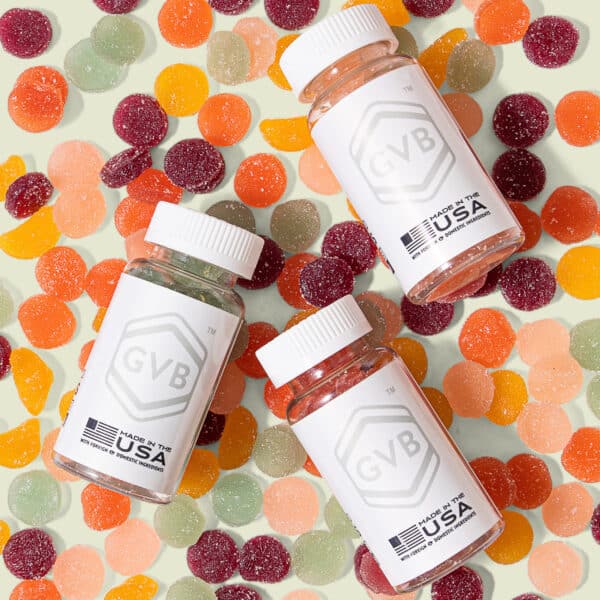
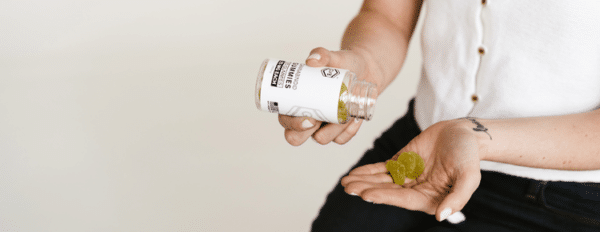
Compliant cannabinoid edibles are quickly gaining popularity and should be a staple to any cannabinoid product line. Accessible and remarkably popular among all age groups, CBD gummies are growing at a rate of 41% per year, says Brightfield Group. Other types of edibles are growing at a similar rate, denoting a sea change in the hemp industry.

While gummies have been around for years, these convenient edibles have suddenly caught on like wildfire. Successful CBD gummies are often positioned similarly to gummy multivitamins, leveraging additional ingredients that provide unique effects. Gummies’ high customizability lets brands easily craft diverse products that outshine competitors.

GVB-Biopharma-Gummies

5. Softgels remain a mainstay

Tinctures may have taken a hit recently, but softgels will continue taking a central role in the compliant cannabinoid industry for years to come. Also called liquid capsules or gel caps, softgels are familiar to anyone who has ever taken a multivitamin, making these cannabinoid products highly accessible.

Often paired with vitamin C, ginkgo biloba, and other natural substances with nutritional or therapeutic value, lab-tested capsules especially appeal to an older crowd that’s skeptical of tinctures. High-profile retail partnerships will drive a 26% annual growth in CBD softgels over the next five years.

6. Topicals are popular for location-specific relief

According to Brightfield Group, compliant cannabinoid topicals are expanding in two unique and equally important ways. First, CBD topicals oriented toward location-specific relief continue to become more popular among older individuals with painful conditions, and cannabinoid skincare products are catching on among Millennials hooked into social media.

Not used orally and often available in tester sizes, topicals are more accessible to consumers who are in pain but skeptical about taking CBD orally due to fears of a THC “high” or medication interactions. The benefits of CBD topicals for location-specific relief have also recently been echoed by prominent athletes, helping these types of compliant cannabinoid products become more mainstream.

7. Skincare and beauty appeal to the Instagram crowd

At the same time that CBD topicals remain steady among older generations, CBD skincare products are trending on Instagram. Increasingly preoccupied with self-care and commonly socially isolated due to COVID-19, younger people are turning to CBD lotions, serums, lip balms, and even bath bombs as they search for social media tips and tricks that will help them look better and feel better.

Influencers and celebrities promote CBD skincare, projected to occupy 5% of the CBD market by 2025 (Brightfield Group). Brands that aren’t afraid to get their hands dirty with social media marketing have a lot to gain from this emerging sector of the compliant cannabinoid economy.

8. Minor cannabinoids are attracting attention

Let’s move beyond product types and highlight a largely under-the-radar phenomenon. Throughout this piece, you’ll notice that we’ve frequently used the phrase “compliant cannabinoids.” That’s because CBD isn’t alone anymore—and consumers are taking note.

Over the last year or so, two additional non-intoxicating cannabinoids have risen to the forefront: cannabigerol (CBG) and cannabinol (CBN). While similar to CBD in that they don’t cause intoxication, these cannabinoids each have unique properties.

Due to research into the potential antimicrobial properties of CBG, for instance, this cannabinoid will likely soon take off in acne remedy circles, and CBN is being added to capsules and tinctures due to its perceived sleep-promoting effects. Forward-looking brands should add these compliant cannabinoids alongside CBD to diversify and future-proof their offerings.

9. Innovation is always rewarded

Despite all the pointers we’ve given, there isn’t one right way to launch a cannabinoid brand. What’s important is crafting a method of making your brand stand out from the competition.

Maybe you build an Instagram-centered skincare brand that combines CBG and CBD. Perhaps you’ll launch a line of turmeric, spirulina, or theanine CBD gummies that also incorporate CBN. Choose a reputable manufacturing partner and develop a marketing plan to establish your brand as an industry icon.

Cannabinoid product sales FAQs

What are the most profitable CBD products?

Tinctures and gummies have long led CBD product sales by sheer volume. Some CBD products, however, such as topicals, offer higher margins since they consist of complex, laser-targeted formulas. In the complex CBD market, profitability hinges on making products look unique and appealing to customers.

What is the most popular use of CBD?

The most popular use of CBD used to be fighting pain, but recently, simple relaxation has become the most common reason people use CBD. CBD is relaxing, and relatively few experience chronic pain daily.

What are the best CBD products for anxiety?

Anxiety-prone shoppers praise tinctures for quick sublingual absorption and gummies for tasty, convenient relief anytime. CBD users generally don’t try topicals for anxiety since these products lack body-wide effects.

What is the best CBD oil overall?

For superior CBD oil, choose professionally crafted, certified organic hemp processed in a state-of-the-art laboratory. CBD producers that can muster this level of gravitas are few and far between — choose wisely.

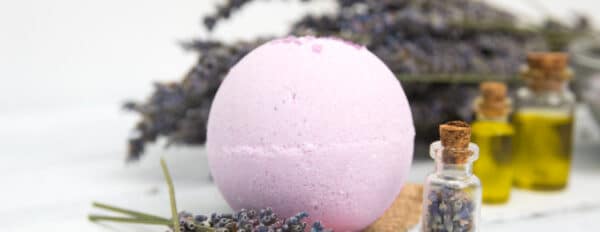
10 Reasons to Add CBD Bath Bombs to Your Product Line

The CBD market is evolving rapidly. Once dominated by products that target specific areas and ailments, the CBD industry is taking a more casual turn and embracing products that fulfill a consumer’s wants as well as their needs.

If you operate a CBD brand, your product lineup needs to contain bath bombs. While undeniably designed with luxurious skincare in mind, CBD bath bombs also offer impressive benefits that appeal to both serious and casual hemp consumers.

In this list, discover the top 10 reasons you should add CBD bath bombs to your product lineup:

1. Bath bombs expand your CBD product line

Diversifying your product line is a balancing act. A brand without a solid foundation can’t be saved by simply throwing more products into its catalog. If your product lineup is too skimpy, however, your consumer audience will remain restrictively narrow.

If an honest analysis indicates that it’s time to strengthen your CBD brand with more products, bath bombs are a solid choice. Whether you’ve previously targeted the CBD health and beauty submarket or not, adding hemp bath bombs to your product line will help you reach a new audience or enhance your brand’s resonance with your existing customer base.

2. Bath bombs diversify your CBD brand

CBD skincare and beauty products are rapidly becoming more popular. This trend is still on the upswing, however, and the majority of hemp brands haven’t incorporated the health and beauty angle into their product lineups yet.

Now that hemp is a relatively mainstream industry, making your brand stand out is more important than ever. CBD bath bombs still aren’t quite as rare as they used to be, but by adding bath bombs to your product lineup, you’ll separate yourself from brands that haven’t yet adopted the hemp skincare trend.

3. CBD skincare and beauty products are on the rise

According to a recent Brightfield Group market research report, mainstream consumers are increasingly embracing CBD products offered in familiar formats. CBD-infused bath bombs and sparkling water, for instance, have both exploded in popularity over the past year.

Brightfield goes on to point out that CBD skincare products, such as bath bombs, “are being adopted extremely quickly across the country” partially because they are “extremely versatile.” Since they reach a “very different audience than general topicals,” Brightfield predicts that CBD bath bombs will “follow their own unique trajectory.”

What does all this mean for CBD brands? Consumers view CBD skincare products, such as bath bombs, as distinctly different from general topicals, and the popularity of CBD bath bombs is set to continue growing independently of interest in other types of hemp topicals.

4. Consumers are familiar with bath bombs

Traditionally hemp-averse consumers are starting to branch out into CBD-infused products that have familiar faces. Conventional bath bombs have been on the market for decades, and there’s already an established subset of consumers who are interested in these skincare products.

It’s a considerable leap for the average skincare and beauty product consumer to try an average CBD tincture or topical. Confronted with the choice between a conventional bath bomb and a CBD-infused bath bomb, however, skincare consumers will gladly choose the CBD option just for the sake of novelty.

This simple transition can serve as an introduction to your brand. Impressed by the results your CBD bath bombs provide, consumers who would otherwise never use other types of CBD products will become curious about your entire product lineup.

5. CBD bath bombs are ideal for both B2C and retail sales

With the right targeting, any type of CBD product can become popular online. There are simply so many eCommerce consumers that you can eventually build an audience for even the most obscure CBD product niche with a little trial and error.

This principle holds true for CBD bath bombs. What makes bath bombs unique, however, is their ideal suitability for retail sales.

Mainstream grocery, supplement, and pharmacy chains are much more likely to adopt CBD products offered in familiar formats. If you’re looking for a way to get your foot in the door of the lucrative CBD B2B market, developing a CBD bath bomb is a great place to start.

6. You can infuse CBD bath bombs with unique ingredients

It’s easy to make your CBD bath bombs distinctive and memorable. All you need to do is choose a medley of additional ingredients that will make your hemp bath bombs stand out.

First, consider the essential oils at your disposal. Lavender essential oil is relatively overdone in bath bombs, but lemongrass, frankincense, or eucalyptus extracts will help your CBD bath bombs contrast with the competition.

One of the best approaches to making CBD bath bombs memorable is to infuse them with terpenes. Consumers are starting to become aware of the benefits of terpenes, and these non-intoxicating compounds infuse bath bombs with unique, inviting aromas.

7. CBD bath bombs have impressive benefits

We’re all familiar with the benefits of CBD, but bath bombs are plenty beneficial on their own. Infused with essential oils, terpenes, or other plant extracts, the benefits of bath bombs become even more impressive.

Epsom salt, one of the primary ingredients in bath bombs, is well-known to be profoundly relaxing. This natural substance may also provide a plethora of other benefits.

8. Epsom salt and CBD work well together

CBD and Epsom salt are a perfect match. Both substances are renowned for their relaxing benefits, and these individual benefits may become even stronger when Epsom salt and CBD are used together.

The combined usefulness of CBD and Epsom salt may become even more profound when other cannabinoids are thrown into the mix as well. Research has been conducted into the possibility that CBD might become more powerful when it’s used at the same time as other cannabinoids.

9. CBD bath bombs are simple to use

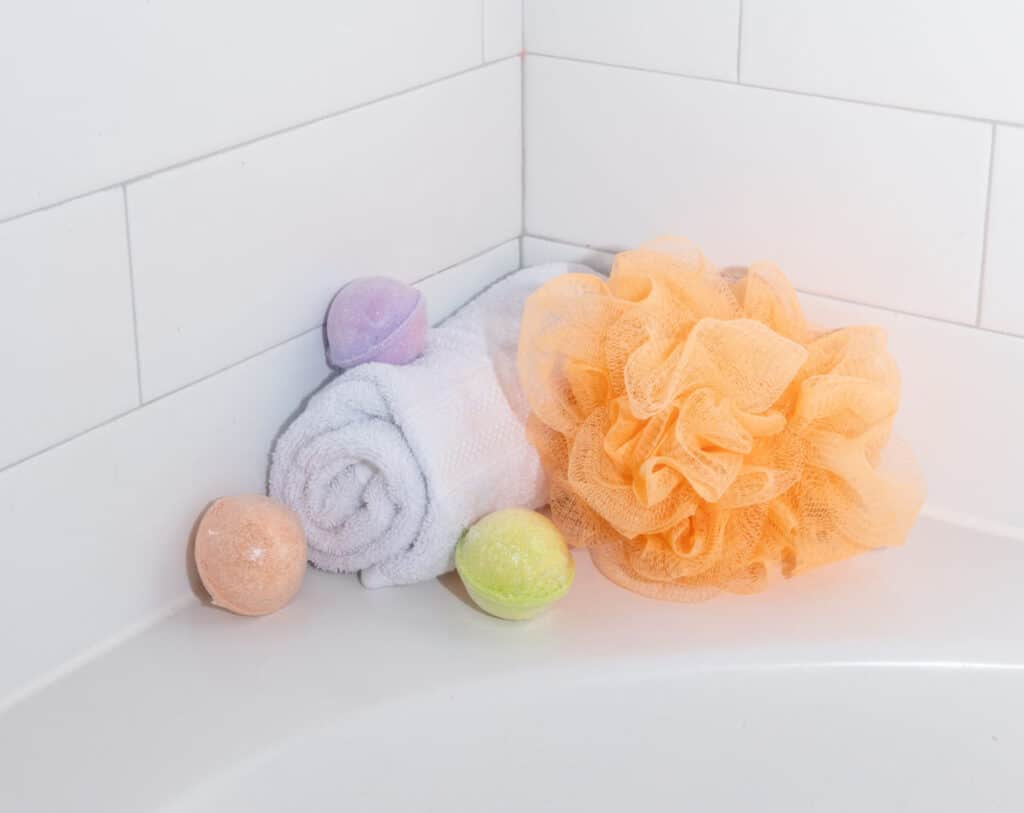
Consumers find CBD bath bombs to be approachable due to their simplicity. When using a cannabinoid-infused bath bomb, there aren’t any complicated instructions to follow or confusing dosing schedules to remember. All you need to do is toss your CBD bath bomb in warm water and watch it fizz.

Bath bombs are associated with fun and luxury at the same time. You can certainly take a bath that doesn’t involve bath bombs, but watching a little ball fizz at the bottom of a bathtub has a way of becoming a hotly anticipated relaxation ritual.

10. Adding CBD bath bombs to your product line is easy

Figuring out how to mix the ingredients in a bath bomb and press them into hard, dried-up balls can be a hassle. With white label CBD bath bombs, however, you can simply choose the ingredients you want to include and let professionals take care of the rest.

At GVB Biopharma, we recently added bath bombs to our lineup of white label CBD products. Whichever cannabinoids, terpenes, essential oils, or other ingredients you’d like to include in your hemp bath bombs, we make it easy to design and produce unique bath bombs that will expand and diversify your product line.

CBD beauty and skincare products are only going to become more popular, and bath bombs will continue to lead the pack. Contact us today to learn more about the benefits of CBD bath bombs and find out how to include these trending cannabinoid beauty products in your brand’s lineup.

CBD bath bomb FAQs

Do CBD bath bombs actually work?

The efficacy of CBD bath bombs is subjective, as it relies on individual expectations and experiences. While a CBD bath bomb might not provide the effects you usually expect from CBD, maybe you need to take a subtler angle when viewing the issue.

Most users report that CBD bath bombs provide very light relaxation mentally while soothing their muscles down to the bone. Give CBD bath bombs a few tries before you come to any conclusions.

How long should I stay in the bath with a CBD bath bomb?

Most people who use CBD bath bombs stay in the bath for 30-60 minutes after dropping their bombs. There doesn’t appear to be any particular danger, though, to staying in a CBD bath longer than an hour.

Do CBD bath bombs make you sleepy?

Yes, CBD bath bombs can make you feel sleepy. If sleepiness is something you commonly experience when using CBD, tell someone that you’re planning to take a bath, and closely monitor your wakefulness levels to avoid nodding off while you soak.

Is taking a CBD bath safe?

There is no evidence that using CBD by infusing it into your bath is any less safe than using this cannabinoid topically in any other way. The only special issues to watch out for, as we’ve mentioned, are sleepiness or potential reductions in blood pressure. For the average person, though, there’s no reason to suspect that taking a CBD bath will be harmful.

Should I Partner with an Extraction Facility to Produce My Products?

More entrepreneurs are entering the hemp industry today than ever before. Many of these new compliant cannabinoid entrepreneurs, however, have decided to produce their own products, a choice that may hold them back from finding lasting success in today’s competitive hemp market.

An established manufacturing partner has the expertise necessary to produce a wide range of bulk ingredients and finished products with reliable consistency. Learn why partnering with a reputable supplier like GVB Biopharma is the best way to take the hemp industry by storm.

Benefits of working with an established partner

Instead of attempting to do everything yourself, set your entrepreneurial spirit free by acquiring all the bulk ingredients or finished formulations you need from an established producer. Working with an extraction facility frees you up to do what you do best—learn the five most compelling benefits of allowing experts to take care of all the nitty-gritty production work for you:

1. Full vertical integration

Reputable manufacturing partners offer full vertical integration, which means that they oversee every facet of the production process from seed to shelf. At GVB Biopharma, full vertical integration means selecting unsurpassed hemp genetics, cultivating our hemp sustainably in fertile, nutrient-rich soil, and producing finished products while adhering to the highest standards of transparency and traceability.

2. High-quality CBD extracts and finished products

There’s an unfortunate amount of guesswork in the compliant cannabinoid industry. In the absence of meaningful regulation, many CBD, CBG, and CBN producers simply do what works and don’t strive to do what’s best.

Even producers with the best intentions often lack the experience or wherewithal necessary to manufacture high-quality, pure, and consistent hemp products. At GVB Biopharma, on the other hand, we perform routine testing at each stage of the production process to ensure that our products are pure, and we use the best equipment and processes in the industry to deliver high-quality, reliable bulk ingredients and finished formulations.

If you want to be able to assure your customers that your products are the best, trust in the best and work with experts that already produce amazing products at a massive scale and have access to the industry’s best technologies and know-how.

3. Specialty raw materials and formulations

The hemp industry isn’t limited to CBD anymore. As we learn more about the hemp plant, it’s becoming possible to produce other non-intoxicating, compliant cannabinoids.

Most recently, cannabigerol (CBG) and cannabinol (CBN) have entered the hemp market. These cannabinoids are still so new that most bulk ingredient and white label producers haven’t established effective production methods for CBG and CBN, but at GVB Biopharma, we offer these cannabinoids in isolates, distillates, and finished products.

CBG is becoming increasingly popular in skincare due to studies that have been conducted into this cannabinoid’s potential antimicrobial qualities, and countless anecdotal testimonies have led to the rise of CBN as a potential sleep aid. Like CBD, the potential benefits of CBG and CBN are manifold, and combining non-intoxicating cannabinoids together results in powerhouse products with wide-ranging benefits.

Forget CBD—producing CBG or CBN on your own would be far more trouble than it’s worth. With the help of an established producer, however, formulating products containing these fascinating, emerging cannabinoids won’t be any challenge at all.

4. Industry experience and market knowledge

When you partner with an experienced extraction facility, you don’t only get your hands on the best products the CBD industry has to offer. You also gain a valuable ally in an industry full of complications that are often hard for newcomers to grasp.

Instead of stumbling over every hurdle placed before novice hemp producers, allow an established extraction facility to steer you clear of potential setbacks. When you work with GVB Biopharma, you can implicitly trust that your products will be compliant with federal regulations, and you’ll receive our assistance in building a brand that’s fully differentiated and easy to market.

It’s enough of a challenge to build a lasting brand in an industry that’s filled to the brim with hopes and dreams. Don’t make things more complicated by tackling the hemp market alone and without experience.

5. Continual R&D and innovation

Fledgling hemp brands have dozens of vital factors to keep track of at all times. Amid the constant struggle of gaining customers and keeping them happy, you don’t have time to push your products to the outer limits of excellence. At GVB Biopharma, however, that’s what we do.

We’re always experimenting and developing new, better bulk ingredients and finished product formulations. While GVB Biopharma products will always deliver a reliable baseline of quality and consistency, we’ll also never stop adding more value to our offerings, and we’ll stay one step ahead of the competition as we pioneer the future of the hemp industry.
Rely on GVB Biopharma to craft impeccable products

The hemp industry is always changing. Compared to where we were even four years ago, the compliant cannabinoid landscape has shifted to such a significant degree that it’s no surprise many once-aspiring brands have long since disappeared.

We have no way of knowing when the FDA might finally decide to apply a stricter regulatory structure to the hemp industry, and it’s anybody’s guess which non-intoxicating cannabinoid might come to the fore next. What’s absolutely certain, however, is that GVB Biopharma will continue producing the peerless bulk ingredients and finished formulations that the industry’s entrepreneurs need to stay on top.

Working with an established extraction facility to produce your hemp products eliminates guesswork and positions you for long-term success. Browse our diverse product catalog, and contact us today to learn more.


FAQs

1. What does a CBD extractor do?

CBD extractors can cover a variety of segments of the CBD production process, including:

– Hemp cultivation and harvesting
– Biomass extraction
– Raw extract distillation
– Cannabinoid isolation
– Terpene infusion
– Finished product manufacturing
– And more…

Not all CBD extractors will be able to provide all the services you require, however. Make sure an extractor can do everything you need them to do before you sign a contract.

2. Is working with a CBD extractor cheaper?

Yes, it is generally much cheaper to work with a CBD extractor compared to extracting and distilling CBD from hemp on your own. To compete with large-scale extractors in terms of quality and throughput, you would need to make an equal investment in equipment — oftentimes in the hundreds of thousands of dollars.

Anything else will result in inferior products that will be competed out of the market — if they ever gain any traction at all. Working with a CBD extractor isn’t “selling out” — it’s “buying in.”

3. How do I find the right CBD extractor?

The right CBD extractor will provide total transparency and will be certified and legally authorized to do business in every conceivable capacity. When asked questions, a trustworthy CBD extractor will respond with openness, not evasiveness.

4. Do CBD extractors provide lab reports?

Yes, CBD extractors must provide comprehensive lab reports to be considered trustworthy. These reports don’t need to always come from an independent lab, but they must be unbiased and clinically rigorous. Any CBD extractor worth working with will immediately provide batch-specific lab reports for any product in their inventory.

prefooter

Get in touch today

Ready to Build Your Brand?