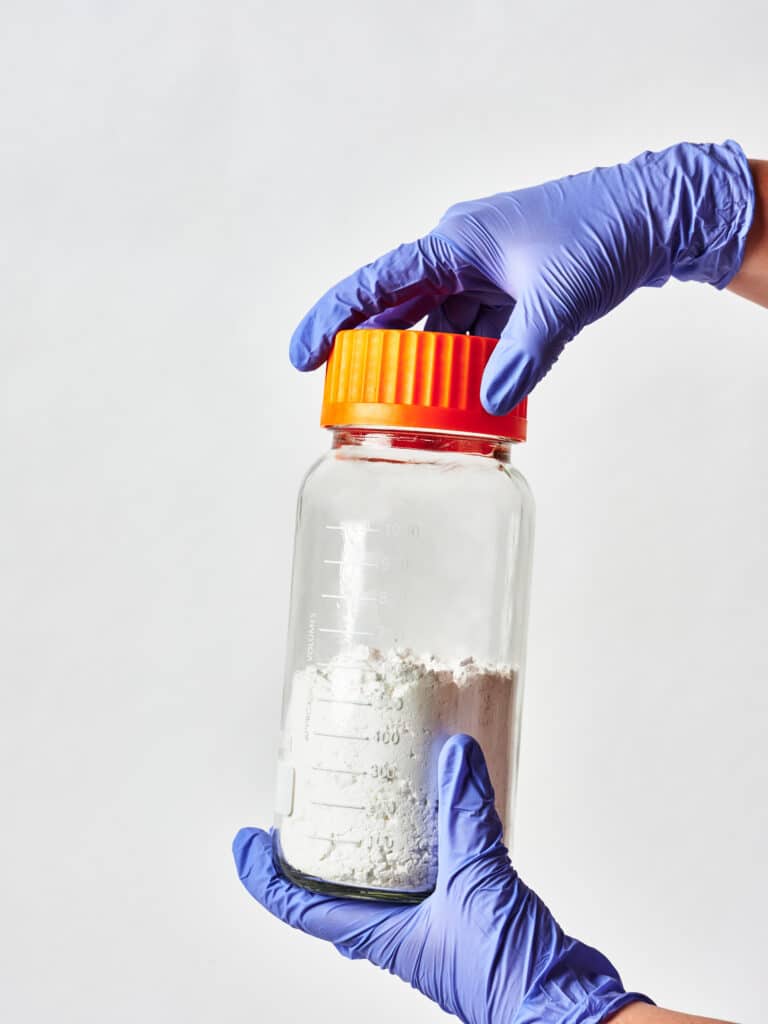
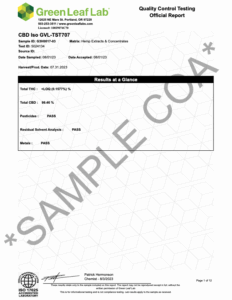
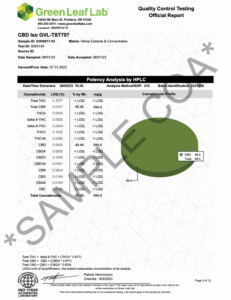
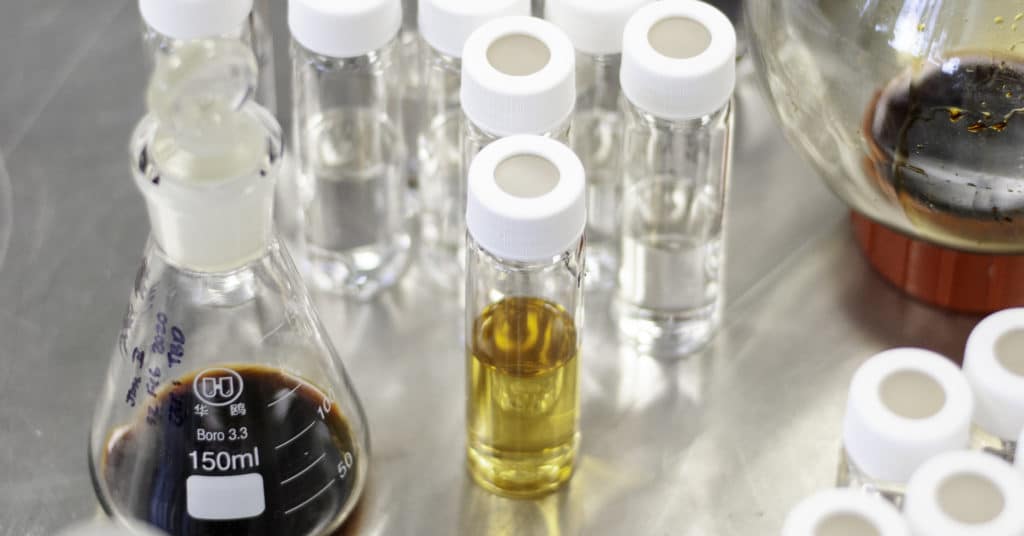
Trying to make heads or tails of a lab report for a raw cannabinoid product? In this video, you will learn how to read your COA and make sure your bulk cannabinoid material meets your expectations.
A COA, or certificate of analysis, is a document cannabinoid producers use to provide technical information on their products. Specifically, a COA verifies that the product you are purchasing conforms to your requirements and meets your needs as a consumer. COAs are certified by an independent labs or are prepared by the producers themselves. Most certificates of analysis will contain specific details about the chemical analysis of a substance or in the case of cannabinoids, a profile.
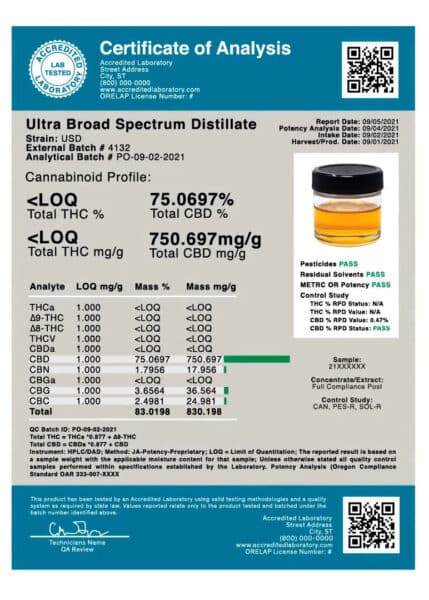
Bulk cannabinoid ingredient COAs provide information on, at the very least, the type of sample tested and the sample’s cannabinoid profile. Let’s cover some of the forms of information your raw material cannabinoid COA should include:
Testing date
Check the date on your COA first. You usually shouldn’t purchase cannabinoid raw materials that are more than 12-18 months old. Cannabinoids may degrade with time and the active compounds will lose potency and efficacy.
Batch number
The client batch number (or external batch number) is selected by the cannabinoid producer. You’ll need this important number to trace the batch associated with your test.
LOQ
In the testing industry, the limit of quantitation (LOQ) is the lowest threshold of a substance a test measures. Many CBD lab tests, for instance, set their THC LOQs at around 0.3% since that’s the federally designated THC cutoff for industrial hemp.
Total CBD % vs. total CBD mg/g
Each cannabinoid present in the sample will be listed both as a percentage and as a total milligram sum. You can use this information to make sure your raw material contains the cannabinoid concentrations advertised.
For example, if a 1g sample of distilled CBD concentrate advertised as containing 75% CBD has a lab report pegging its CBD concentration at around 750mg per gram, then the advertised concentration is correct. However, if a CBD lab report advertises that a concentrate contains 75% CBD with a CBD concentration at 75 mg per gram, than the advertised concentration is incorrect.
Cannabinoid breakdown
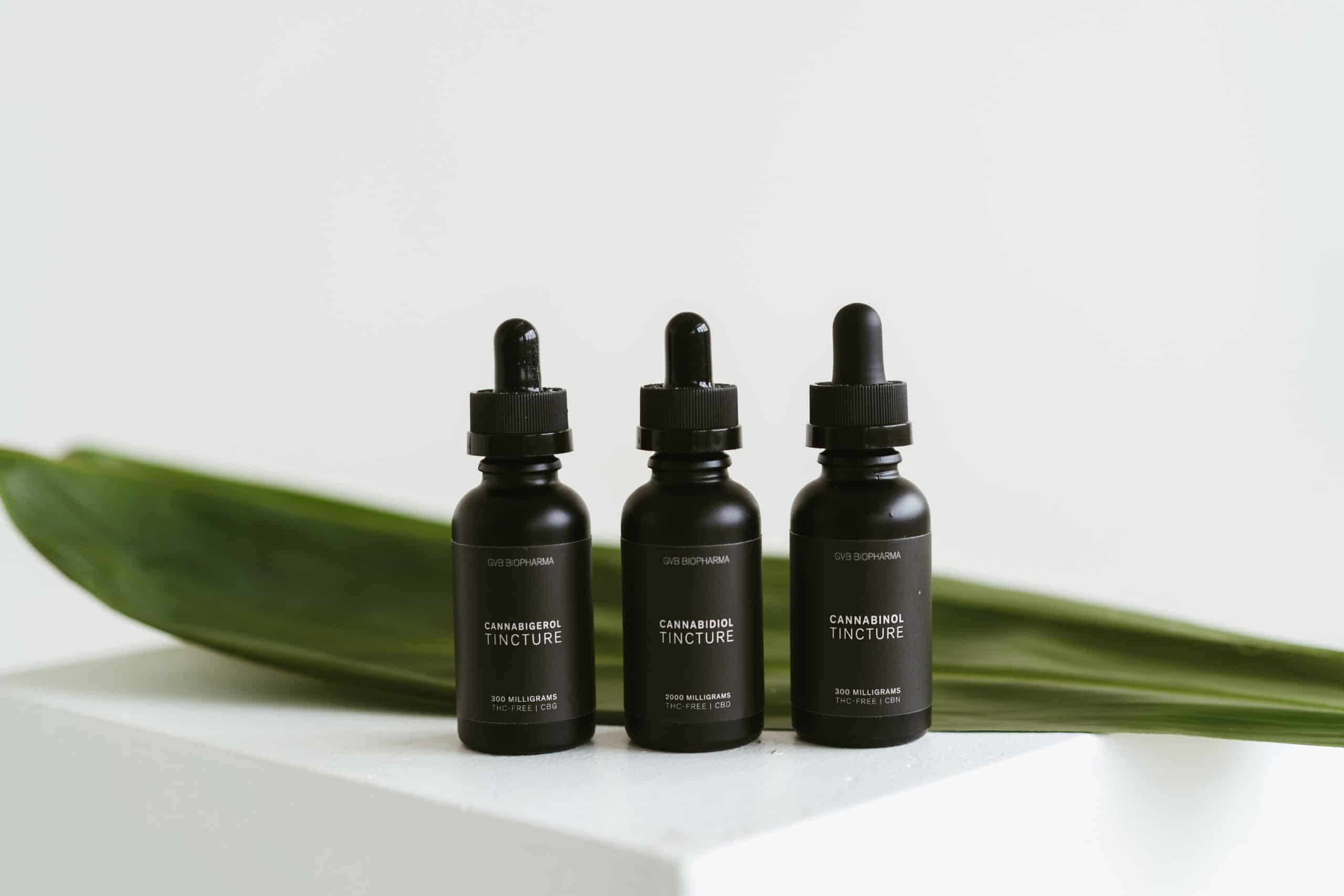
Make sure to check the concentrations of each minor cannabinoid. With the popularity of minor cannabinoids like CBG, CBN, and CBC on the rise, you can use this potency information to determine how strongly your finished product will express the attributes of each cannabinoid.
Calculating product formulations
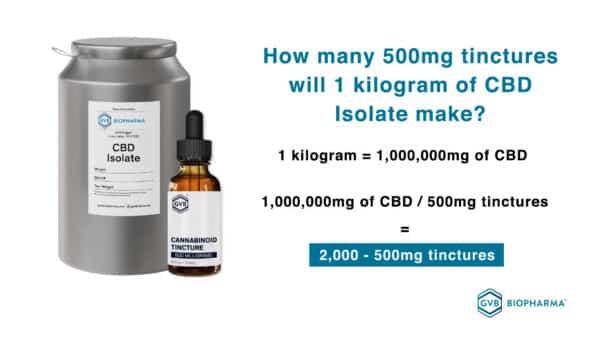
Use the potency information listed on your report to start planning bulk cannabinoid product formulations. Simply determine how much CBD your product contains per kilo, and divide the total number of milligrams of CBD you wish to purchase by the number of CBD milligrams you want each finished product to contain to find out how many total products you can make.
For instance, if you purchase one kilo of CBD Isolate and want to use it to formulate 500mg tinctures, you will be able to make roughly 2,000, 500mg tinctures from the single kilo of isolate.
Additional acronyms you may need to know:
PPM: stands for parts per million
PPB: stands for parts per billion
LOD: stands for “limit of detection” and is similar to the LOQ, but they are not exactly equivalent. The LOD is the lowest quantity of a substance that can be distinguished from the absence of that substance. The LOD and LOQ can differ according to what definition is used and what type of noise contributes to the measurement and calibration.
<LOQ: means that the analyte is below or less than the limit of quantitation.
California: may be specified on certain COAs. In California, the limit of quantitation may be above the limit of detection, meaning the analyte is detectable, but not necessarily higher than the LOQ.
ND: means not detected
NT: stands for not tested
Mg/g: is milligrams per gram. If you divide this number by 10 you get the percent concentration
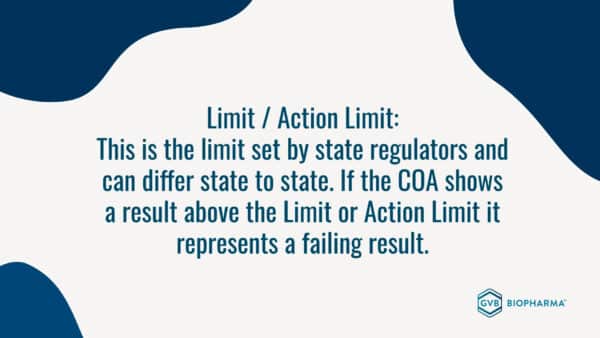
Limit/action limit: This is the limit set by state regulators and can differ from state to state. If the COA shows a result above the Limit or Action Limit it represents a failing result.
We hope we’ve answered all your questions and concerns about raw material COAs. If you have any further inquiries about COAs, sourcing high-quality cannabinoids, or our white label services please book a call with one of our industry experts.
COA FAQs
1. What is in a COA?
COAs for hemp and cannabis products generally consist of a few important pieces of information regarding:
The cannabinoid and terpene concentrations in the sample
Concentrations of any contaminants that may be present
A unique number used to identify the sample
Photographs of additional identifying material
As we’ve covered in the guide above, a COA also includes a lot of other data that you’ll need to parse over to get a full idea of what’s in your product. Knowing the cannabinoid concentrations and how to identify the sample, though, is usually everything the average shopper is after.
2. How do you read a COA for CBD?
COAs for CBD and other cannabinoid products are generally designed to be easy to read with the most relevant information provided the most clearly in the largest print. An average COA for CBD distillate, for instance, will feature the CBD concentrations front and center — in both milligrams and percentile. If you have any questions about how to read a COA, contact the laboratory that issued it.
3. How can you tell if CBD is high-quality?
Referencing a COA is the easiest and most reliable way to establish the potency and safety of a CBD product — in other words, its quality. Simply making COAs easy to find is a step in the right direction, and the lab report itself should check all the boxes.
4. How do you know if a COA is real?
The easiest way to establish the authenticity of a COA is to contact the issuing lab. If there is no lab listed on the COA, that’s an instant red flag.
Wondering how to read the COA (certificate of analysis) for a white-label cannabinoid product? In this video, you will learn everything you need to know about finding information in a certificate of analysis in under 5 minutes.
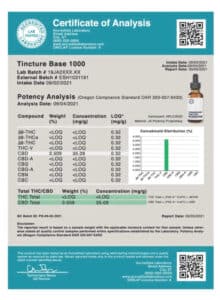
White-label cannabinoid product COAs provide information on, at the very least, the type of sample tested and the sample’s cannabinoid profile. Let’s cover some of the forms of information your white-label cannabinoid COA should include:
Sample number
Also known as the lab batch number, the sample number assigned by the lab helps ensure you have the right COA for your product.
Batch number
The client batch number (or external batch number) is selected by the cannabinoid producer. You’ll need this important number to trace the batch associated with your test.
Cannabinoid concentrations
Each cannabinoid present in the sample will be listed both as a percentage and as a total milligram sum. You can use this information to make sure your white label product contains the cannabinoid concentrations advertised.
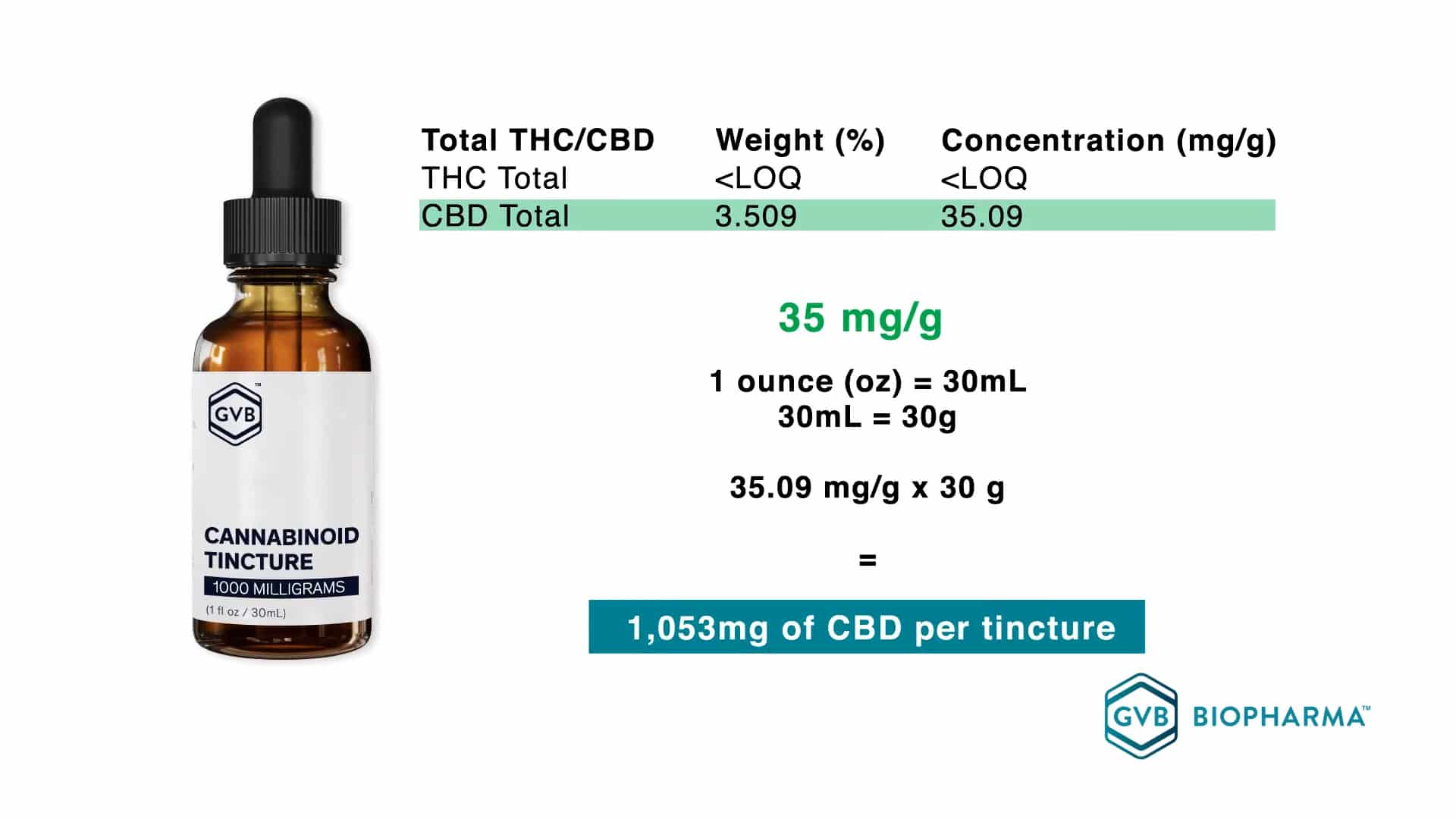
If a 1oz CBD tincture advertised as containing 1000mg CBD has a lab report pegging its CBD concentration at around 35mg per gram, then the advertised concentration is correct.
To do the math, divide the total number of milligrams by the volume of your formulation converted to grams.
Limit of quantitation (LOQ)
In the testing industry, the limit of quantitation (LOQ) is the lowest threshold of a substance a test measures. Many CBD lab tests, for instance, set their THC LOQs at around 0.3% since that’s the federally designated THC cutoff for industrial hemp.
Terpene and residual pesticide information
If applicable, your white label cannabinoid product COA might have information about terpene concentrations and provide results from pesticide and residual solvent screens. Otherwise, this information will be provided with the COA for the raw material used to make the white label product.
Depending on the COA, there may also be data on heavy metals, moisture content, genetics, flavonoids, or even synthetic cannabinoid concentrations. Look for a QR code you can scan on the COA for more information.
Additional acronyms you may need to know:
PPM: stands for parts per million, which is essentially used to describe a very small quantity in a very large quantity
PPB: is parts per billion, which is another form of measurement used to describe a small quantity in an even larger quantity.
LOD: stands for Limit of detection and is similar to the LOQ (limit of quantification), but they aren’t always the same. Both describe the lowest concentration of a substance r that can reliably be detected by an analytical instrument or procedure. The LOD is the lowest quantity of a substance that can be distinguished from the absence of that substance. If the substance that is analyzed is too low to be detected, then it essentially gets lost in the “noise”. Because of this, a limit is set for the detection of the substance that is higher than the signals that fall into the noise section of the analysis. The LOD and LOQ can differ according to what definition is used and what type of noise contributes to the measurement and calibration.¹
<LOQ: means that the analyte is below the limit of quantitation. Remember that the LOQ refers to the lowest concentration at which a substance can not only be reliably detected by also at which certain predefined goals for bias and imprecision are met.
California: may be specified on certain COAs, and means that even though it is below the limit of quantitation, it may be above the limit of detection, meaning the analyte is detectable, but not necessarily higher than the LOQ.
ND: means not detected
NT: stands for not tested
mg/g: is milligrams per gram. If you divide this number by 10 you get the percent concentration
Limit / Action Limit: This is the limit set by state regulators and can differ from state to state. According to FDA policies, action limits or action levels are the minimum or maximum values of a a quality assurance measurement that define if a product represents an acceptable performance with regards to the parameter being tested.² If the COA shows a result above the Limit or Action Limit it represents a failing result as standards are not met.
We hope we’ve answered all your questions and concerns about finished product COAs. If you have any further inquiries about COAs, sourcing high-quality cannabinoids, or our white label services, please book a call with one of our industry experts!
Private label cannabinoid product COA FAQ
Learn more about white-label hemp COAs below:
1. How do you read a COA?
Most COAs follow the same basic format featuring a sample number or ID followed by a variety of sets of data including:
Cannabinoid potency
Terpene concentrations
Pesticide and contaminant concentrations
In many cases, all of this information is provided on a single page. Complex COAs featuring many different data sets, though, often span multiple pages of PDF documents. If you have any questions regarding how to read a particular COA, contact the issuing lab or the brand that produced the product.
2. Why is a COA important for CBD?
COAs must be provided with CBD products to provide customers assurance regarding the quality and safety of the products they are considering purchasing. Whether these customers are individual consumers or large corporate entities, COAs are equally useful given the currently lax regulatory climate surrounding CBD.
Without COAs, customers would have no way of ascertaining the safety and quality of CBD products without conducting their own tests. Providing COAs both saves customers money and helps them trust that the products they’re buying are safe.
3. How do you know if a COA is real?
It is very rare for brands to fake COAs. If you have any concerns regarding the validity of a COA, however, the best option is to check in with the lab that issued it. The lab’s logo and contact information should be provided somewhere within the document. If it is difficult to find information on the issuing lab within a COA, that’s certainly cause for concern.
4. What should a COA include?
A complete COA should feature information including the names of the brand and the lab, the identifier of the sample in question, its cannabinoid content, and its contaminant content. Any additional information is useful but not strictly necessary.
Sources:
1. Ambruster, D. A.; Pry, T. Limit of Blank, Limit of Detection, and Limit of Quantification. Clinical Biochemical Reviews2008. 29(suppl 1): S49-S52. Retrieved from: https://www.ncbi.nlm.nih.gov
Growth predictions for the global cannabis industry continue to rise. Demand pent-up for a century is about to burst, bringing the world economy along with it.
Everyone is familiar with the two major cannabinoids at play in the 21st-century cannabis industry: CBD and THC. Nothing is purely black and white, though, and when it comes to cannabis, it’s the shades of gray that are the most interesting.
Taxonomy Botany of the Cannabis sativa plant
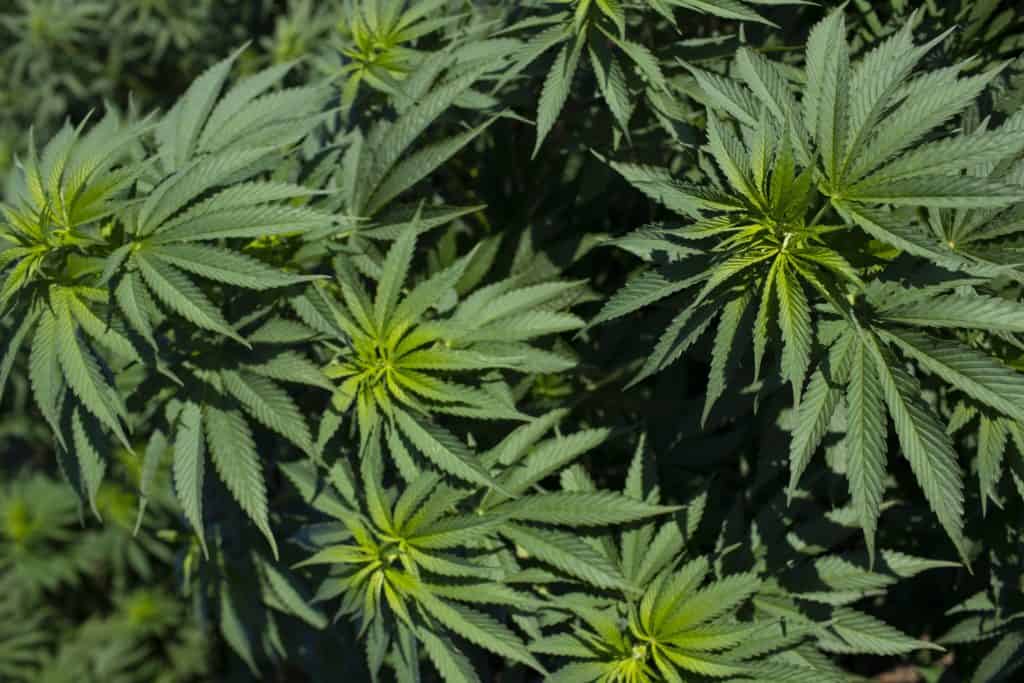
Let’s start with the basics: an overview of the parts that make up the cannabis/hemp plant:¹
1. Roots
Thickly bunched and delicate, cannabis roots are used in traditional medicine. to treat conditions such as joint pain, fever, and infections.²
2. Stalk
Equipped with a fibrous exterior and woody pulp on the inside, the cannabis stalk is remarkably useful for textile applications.
3. Leaves
Beautiful and fan-shaped yet mainly devoid of resin, cannabis leaves are plentiful on the plant and filled with chlorophyll.
4. Flower
Emerging from the centers of the leaf clusters on female plants are resin-bearing flowers. This resin contains a variety of bioactive compounds, including flavonoids and terpenes, that are found elsewhere in the plant kingdom as well.
Unique to cannabis resin are remarkable compounds called cannabinoids. Usually exerting significant antioxidant properties, these seemingly mild substances are the ongoing subjects of intensive international research.³
Cannabinoids: an overview
Cannabinoids derive their name from the fact that these chemical compounds are only found in the Cannabis sativa plant. Many compounds found in other plants are very structurally similar to cannabinoids, but cannabis is the only natural source of CBD, THC, CBG and all the other cannabinoids so far discovered by science.
Exerting powerful bioactive properties in mammals and some other animals, certain cannabinoids cause intoxicating effects. Other cannabinoids, though, have no intoxicating effects and do not appear to have any considerable toxicity.
Major vs. minor cannabinoids
In scientific literature, an etymological distinction has arisen to signify the difference between cannabinoids that have been bred to be dominant in cannabis and cannabinoids that have not. The goal of cannabis breeding, though, is to make all cannabinoids major.
Two decades ago, the only dominant cannabinoid was THC. Then the establishment of a worldwide CBD economy caused an additional cannabinoid to rise to the fore.
A widening of the cannabis playing field
Yet another non-intoxicating cannabinoid, CBG, can now be made dominant in cannabis via selective breeding. We envision a near future in which multiple cannabinoids are all available in cannabis flower in high concentrations. It will be possible to mix and match these cannabinoids to achieve ratios targeted toward specific ailments or applications.
Top 4 minor cannabinoids
The following four cannabinoids are popular enough to have received major attention while still being new or rare enough to be considered minor cannabinoids. Let’s explore each in detail:
1. CBG
Cannabigerol (CBG) is the decarboxylated form of cannabigerolic acid, the origin substance for many major and minor cannabinoids. Most cannabinoids are derived from cannabigerolic acid in the chemical synthesis of compounds within the plant. However, a small amount of cannabigerolic acid breaks down into cannibigerol, or CBG. Non-intoxicating like CBD, CBG has a unique slew of benefits that have led to the rapid rise of a domestic CBG marketplace.
Why is CBG used?
CBG is often used alongside CBD as an additional minor cannabinoid. However, some people enjoy the experienced effects of CBG on its own, which are similar to those of CBD while remaining fully distinct.
Why is CBG important?
CBG is currently a primary target of cannabis research due to its crucial role in the cannabinoid metabolism process. 4
2. CBN
What is CBN?
Cannabinol (CBN) is a direct metabolite of THC that appears when cannabis flowers age. This cannabinoid is non-intoxicating enough to be fully distinct from THC even to a cannabis newcomer and provides unique properties that aren’t found in CBD either.
Why is CBN used?
Currently, people tend to use CBN as a sleep aid. However, research is currently being conducted that will likely provide users with a more robust understanding and use case for this highly coveted cannabinoid.
Why is CBN important?
CBN is currently only obtainable via the conversion of other cannabinoids, and there’s currently no realistic prospect of CBN-rich strains. How the industry overcomes this supply-line challenge will be a defining component of the next 10 years of cannabis history.
3. CBC
Only naturally available in cannabis in minuscule concentrations, it is nonetheless possible to convert cannabichromene (CBC) from CBG, opening up an entirely new segment of the hemp economy.
Why is CBC used?
CBC is primarily being researched for its potential pain-relieving qualities. This cannabinoid has been researched for its activity at the body’s TRPV1 receptors, which regulate inflammatory pain throughout the body.
Why is CBC important?
CBC proves there are exciting cannabinoids beyond the big four of THC, CBD, CBG, and CBN.
4. CBDa
CBDa is the original form of CBD. In cannabis buds, cannabinoids first appear in the form of carboxylic acids. Then, they undergo a process of enzymatic conversion to attain their final forms. As a carboxylic acid, CBDa becomes CBD when exposed to heat, UV light, or other oxidizing stimuli.
Why is CBDa used?
Scientists are primarily interested in CBDa because this cannabinoid precursor has been researched for its affinity at the 5-HT1a receptors, which govern neuropathic pain along with many other critical biochemical processes.5
Why is CBDa important?
CBDa shows that the carboxylic acid forms of cannabinoids can be just as used as their decarboxylated counterparts. Eventually, THCa, CBDa, and CBGa will likely be just as valued as THC, CBD, and CBG.
Why minor cannabinoids are important alone
A tendency gradually developed in the history of science to reduce every observable phenomenon to its simplest possible explanation. This philosophy of reductionist materialism led researchers to obsess over THC, excluding all other cannabis components for the last 100 years.
Every component of cannabis, though, is just as important as every other. Just because it appears to be the most psychoactive does not mean THC is any better or more useful than any other cannabinoid, terpene, or even flavonoid present in Cannabis sativa.
Why minor cannabinoids are important in hemp extract
Minor cannabinoids may make hemp extracts more effective. Therefore, hemp extracts with minor cannabinoids offer more value.
The science is still out, but there appears to be a phenomenon called the entourage effect that is triggered when all the natural components in cannabis are kept together. Brands that capitalize on this synergistic phenomenon tend to succeed.
Not so minor anymore
Once deemed minor, cannabinoids like CBN and CBG are taking on major roles in the international cannabis economy. Up-and-comers like CBC and CBDa will soon join them, and from there, a cannabis renaissance will commence.
We aren’t just seeing a few new CBD-like compounds enter the playing field. We’re witnessing a radical transformation of the very definition of cannabis — what it is, what it can do, and perhaps most importantly, what it could be.
Minor cannabinoid FAQs
What are the most important cannabinoids?
It’s hard to classify cannabinoids based on importance since each of these unique compounds offers its own special benefits. It’s true that a few cannabinoids, though, have risen to prominence recently while others remain mostly unknown.
Currently, the most popular cannabinoids — and, by extension, the most “important” — are cannabidiol (CBD), cannabigerol (CBG), and cannabinol (CBN). Rapidly reaching the same level of popularity are CBDa, CBC, and CBDv, with more than a dozen additional compounds waiting in the wings.
What are the benefits of minor cannabinoids?
Each minor cannabinoid offers its own benefits that make it uniquely desirable for some purpose or another. Researchers are looking into the potential usefulness of CBG for pain, for instance, while research into CBN for sleep is simultaneously on the rise.
When combined with CBD, minor cannabinoids offer another “hidden” benefit — the entourage effect. Researchers have observed that cannabinoids appear to become more effective when they are used together, potentially making minor cannabinoids desirable for more than just their individual benefits.
Where can I find minor cannabinoids for sale?
Companies that offer CBD in bulk quantities now also commonly offer minor cannabinoids as well. As leaders in the minor cannabinoid industry, we’d be happy to service your needs here at GVB Biopharma.
What is the difference between minor cannabinoids and terpenes?
Both minor cannabinoids and terpenes naturally occur in cannabis and hemp, so it’s easy to get them mixed up. Minor cannabinoids, though, are cannabinoids like CBD — they’re just available in lower quantities.
Terpenes, on the other hand, compose a different class of compounds altogether. These aromatic, volatile oils smell and taste wonderful, but they have different properties from cannabinoids.
Sources
1. CABI. Cannabis sativa (hemp): Datasheet.. CABI: invasive Species Compendium. Accessed January 19, 2022. Retrieved from https://www.cabi.org/isc/datasheet/14497#toidentity
2. Ryz, N. R.; Remillard, D. J.; Russo, E. B. Cannabis Roots: A Traditional Therapy with Future Potential for Treating Inflammation and Pain. Cannabis and Cannabinoid Research2017, 21(7). https://www.ncbi.nlm.nih.gov/pmc/articles/PMC5628559/pdf/can.2017.0028.pdf
3. Grof, C. P. L. Cannabis: From Plant to Pill.British Journal of Clinical Pharmacology2018, 84(11), 2463-2467. Retrieved from: https://pubmed.ncbi.nlm.nih.gov/29701252/
4. Harvey, D. J.; Brown, N.K. Comparative In Vitro Metabolism of the Cannabinoids. Pharmacology, Biochemistry & Behavior 1991, 40, 533-540. Retrieved from: https://static1.squarespace.com
5. Rock, E. M; Parke,L. A.The Role of 5-HT1A Receptor, and Nausea and Vomiting Relief by Cannabidiol (CBD), Cannabidiolic Acid (CBDA), and Cannabigerol (CBG). Handbook of Cannabis and Related Pathologies. Academic Press, 2017. 703-712. Retrieved from: https://static1.squarespace.com
The Canadian hemp market provides impressive opportunities within a highly regulated market. Unlike the United States, Canada places strict regulations on its industrial hemp and CBD industry, and under the Cannabis Act, CBD is treated largely the same as THC despite the fact that these cannabinoids have widely different properties.¹
As a result, hemp entrepreneurs wishing to enter the Canadian hemp market must abide by government regulations and offer their products through a limited network of state-regulated dispensaries. The overall Canadian cannabis industry is expected to grow by $1 billion CAD this year and swell to $8 billion CAD by 2025, so extensive opportunities exist for entrepreneurs who seek to inject high-quality hemp products into this rapidly growing North American cannabis market.
GVB Biopharma is the premier supplier of compliant, non-intoxicating bulk hemp products to hemp entrepreneurs around the world. Familiarize yourself with the latest trends in the Canadian hemp industry, and learn how to position your brand for success in this guide.
COVID and Cannabis 2.0
In June of 2018, the passage of the Cannabis Act made Canada the second country to legalize cannabis nationwide. While met with celebration among long-time Canadian cannabis users and newbies alike, Canada’s burdensome bureaucratic apparatus has significantly dampened early enthusiasm and driven cannabis prices sky-high due to imbalanced taxation structures.²
To remedy these concerns, the Canadian government amended its cannabis regulatory scheme with new policies collectively referred to as “Cannabis 2.0.” This updated regulatory structure admitted new product types into the Canadian cannabis market, such as vape pens and edibles, while instating measures to reduce prices and make the industry more consumer-centric.
Instated in phases starting in January of 2020, Cannabis 2.0 emerged just in time to coincide with nationwide Canadian shelter-in-place orders put in place to combat COVID-19. Due to the economic impacts of COVID-19, Cannabis 2.0 has not delivered the sharp boost in industry growth that investors originally anticipated. As the socio-economic impacts of COVID-19 begin to stabilize, the market is expected to do the same.
Budget brands are focusing on flower
The Brightfield Group is a professional data-processing company that releases multiple marketing reports about the cannabis industry in the United States and Canada. A Brightfield Group Canadian Market Report revealed that despite the fact that Cannabis 2.0 regulations made beverages, vape cartridges, and edibles legal in Canada, new Canadian cannabis users are using flower and pre-rolls more than any other product type. According to this report, 71% of Canadian adults cite smoking as the main reason they don’t want to try cannabis, but 43% of new cannabis users in Canada reported using flower products in Q2 2020, which is a 15% increase from Q1.
More than two years into legalization, Canadians are simply becoming more acclimated to the idea of smoking cannabis. At the same time, a large number of Canadian cannabis producers and retailers have focused on producing low-budget products to counter the consumer-repelling side effects of the overly taxed domestic market. Since these budget-minded licensed producers (LPs) started taking this path before the advent of Cannabis 2.0, the most inexpensive Canadian cannabis products are flower and pre-rolls with vape cartridges and other new product options commanding higher price points.³
Cannabis entrepreneurs in Vancouver, Toronto, Montreal, or elsewhere in Canada will, therefore, encounter unprecedented opportunities for success by offering low-priced cannabis products in novel categories that opened up due to Cannabis 2.0 regulations. Familiarity with Canada’s regulatory schemes combined with affordable, high-quality raw materials or white label cannabinoid products will make it possible to profit from these emerging submarkets while competing brands struggle to keep up.
The Canadian cannabis market is becoming less intoxicating
Rising interest in CBD in Canada may pose additional problems for frazzled regulators seeking to remain in balance with the demands of Canadian consumers. From British Columbia to Quebec, however, cannabis users are clearly demonstrating that they’re ready to experience the wide world of cannabis that exists beyond the benefits and detractors of THC.
At present, the Canadian government has only explicitly addressed THC and CBD with its federal cannabis legislation. Soon enough, however, it will become necessary to parse out the distinct regulatory statuses of each of the unique constituents of Cannabis sativa.
The United States has always led the charge in the cannabis revolution, and Canadian culture invariably molds itself to match the dominant cultural trends at play throughout the cities and towns of its densely populated southern neighbor. While seemingly distant on the horizon, the American cannabis industry is gradually being forced to admit an entire extended family of unique cannabinoids, and if the trend toward non-intoxicating cannabis among Canadian consumers is any indication, CBD’s close but distinct group of relatives may be even more at home in Canada than in the USA.
Already, cannabigerol (CBG) is gobbling up an ever-increasing portion of the American cannabis market, and other non-intoxicating cannabinoids like cannabinol (CBN) and cannabichromene (CBC) aren’t far behind. While non-intoxicating like CBD, each of these cannabinoids has a distinct chemical structure, and they all exert different benefits and subtly unique experienced effects.
The high percentage of CBD use among new Canadian cannabis users seems to indicate an increasing level of education regarding the benefits and risks of different cannabinoids, so it’s reasonable to assume that Canadian hemp consumers are also becoming more educated about a type of theorized cannabinoid synergy known as the entourage effect.More than two years into legalization, Canadians are simply becoming more acclimated to the idea of smoking cannabis. At the same time, a large number of Canadian cannabis producers and retailers have focused on producing low-budget products to counter the consumer-repelling side effects of the overly taxed domestic market. Since these budget-minded licensed producers (LPs) started taking this path before the advent of Cannabis 2.0, the most inexpensive Canadian cannabis products are flower and pre-rolls with vape cartridges and other new product options commanding higher price points.³
Cannabis entrepreneurs in Vancouver, Toronto, Montreal, or elsewhere in Canada will, therefore, encounter unprecedented opportunities for success by offering low-priced cannabis products in novel categories that opened up due to Cannabis 2.0 regulations. Familiarity with Canada’s regulatory schemes combined with affordable, high-quality raw materials or white label cannabinoid products will make it possible to profit from these emerging submarkets while competing brands struggle to keep up.
The Canadian cannabis market is becoming less intoxicating
Rising interest in CBD in Canada may pose additional problems for frazzled regulators seeking to remain in balance with the demands of Canadian consumers. From British Columbia to Quebec, however, cannabis users are clearly demonstrating that they’re ready to experience the wide world of cannabis that exists beyond the benefits and detractors of THC.
At present, the Canadian government has only explicitly addressed THC and CBD with its federal cannabis legislation. Soon enough, however, it will become necessary to parse out the distinct regulatory statuses of each of the unique constituents of Cannabis sativa.
The United States has always led the charge in the cannabis revolution, and Canadian culture invariably molds itself to match the dominant cultural trends at play throughout the cities and towns of its densely populated southern neighbor. While seemingly distant on the horizon, the American cannabis industry is gradually being forced to admit an entire extended family of unique cannabinoids, and if the trend toward non-intoxicating cannabis among Canadian consumers is any indication, CBD’s close but distinct group of relatives may be even more at home in Canada than in the USA.
Already, cannabigerol (CBG) is gobbling up an ever-increasing portion of the American cannabis market, and other non-intoxicating cannabinoids like cannabinol (CBN) and cannabichromene (CBC) aren’t far behind. While non-intoxicating like CBD, each of these cannabinoids has a distinct chemical structure, and they all exert different benefits and subtly unique experienced effects.
The high percentage of CBD use among new Canadian cannabis users seems to indicate an increasing level of education regarding the benefits and risks of different cannabinoids, so it’s reasonable to assume that Canadian hemp consumers are also becoming more educated about a type of theorized cannabinoid synergy known as the entourage effect.4 Research suggests that cannabinoids become more potent when they are used together, and this factor alone will spur greater interest in CBG, CBN, CBC, and even rare propyl cannabinoids like THCV and CBDV.
New users gravitate to CBD products
Since Canadian laws treat non-intoxicating CBD and intoxicating THC roughly the same, CBD products are not as abundantly available in Canada as they are south of the border. Regardless, Canadian cannabis consumers have displayed a remarkable proclivity for products containing CBD, and a significant percentage of consumers seem to prefer products that are CBD-dominant or even CBD-exclusive.
The Brightfield report indicates that in Q2 2020, for instance, 37% of new Canadian cannabis consumers reported using CBD-dominant products, and 30% reported using products that only contained CBD without any THC. At 34%, fewer experienced cannabis users reported using CBD-dominant products, but these analytics still indicate that more than ⅓ of Canadian cannabis consumers, whether new or experienced, actively demand and enjoy CBD-rich products.
Even more intriguing is the fact that THC-dominant cannabis usage among new users dropped from 45% in Q1 to 36% in Q2. While the Canadian cannabis industry was established to be THC-centric, it appears that consumers are voting with their loonies and demanding non-intoxicating cannabinoids.
For Canadian and international entrepreneurs and investors seeking to establish CBD companies in Canada, this trend will generate impressive opportunities. License holders in Canada can import cannabis products from other countries under certain circumstances, and since the demand for non-intoxicating hemp products could exceed the available supply, imported CBD products may play a critical role in dynamically adapting to this unprecedented interest in non-THC cannabinoids among Canadian adults.
Trust GVB to navigate the Canadian hemp industry
It will be quite some time until Canadian hemp farms are up to the task of catering to this North American nation’s ever-increasing demand for CBD and other non-intoxicating cannabinoids. For entrepreneurs seeking to enter the Canadian hemp industry, therefore, it’s best to rely on established producers with impeccable track records. At GVB Biopharma, we have a reputation for excellence, and we do everything by the book. Here are a few examples of the ways we can help you navigate the onerous regulatory structure surrounding the Canadian hemp market to capitalize on one of Canada’s fastest-growing industries:
Wholesale bulk ingredients
We’re here to help if you want to branch out on your own by formulating unique products using bulk cannabinoid ingredients. In addition to the old standbys like isolate CBD, we also offer full-spectrum and broad-spectrum distillate hemp extracts featuring CBD or CBG. Even better for capturing a portion of Canada’s rapidly growing cannabis beverages market, we go so far as to offer each of our extracts in a water-soluble powder or liquid form.
White label services
Marketing a new brand is considerably easier with private label CBD products. At GVB Biopharma, we offer white label CBD, CBG, and CBN products in eleven distinct categories:
If our pre-made product categories don’t align with your brand vision, we can also work with you to develop custom products featuring any of our bulk ingredients or extracts. We test all of our white label products multiple times during the production process to ensure quality and potency.
Expert consulting
When it comes to the regulatory labyrinth surrounding Canada’s convoluted cannabis industry, knowing can be half the battle. Whether you want to know which types of products comply with ever-changing Canadian cannabis regulations or you need help understanding the role that CBD, CBG, or CBN will play in Canada’s evolving hemp market, we’re here to help. Using the latest market data and leveraging our expertise in the industry, GVB Biopharma is standing by to ensure the success of your new Canadian hemp venture.
Canadian hemp market FAQs
1. Can I import CBD products into Canada?
No, in almost all cases, it is illegal to import CBD into Canada. This reality often frustrates even average citizens, who would like an alternative to the tightly controlled options the federal government allows — which often contain intoxicating concentrations of THC.
Do not attempt to bring CBD products into Canada even though they are legal within the nation’s borders. Doing so could result in being tried for a crime in the Canadian court system.
2. Is it legal to ship hemp to Canada?
Depending on the circumstance, it may be deemed legal to ship raw hemp biomass to Canada, where it can be processed by domestic companies. However, you will need to receive the express permission of the Canadian government first, which can be hard to come by for foreign hemp producers.
3. Can you ship hemp seeds to Canada?
Yes, growers can import hemp seeds into Canada, but otherwise, shipping hemp seeds north of the border is illegal. If you attempt to buy hemp seeds in Canada without a government license, you could end up being charged with a crime.
4. Do you need a permit to grow hemp in Canada?
Yes, it is only legal to grow hemp in Canada if you have received a permit from the federal government. Even if they jump through the hoops necessary to become permitted hemp producers, though, hemp growers in Canada must still obey the government’s strict cannabis agriculture codes. Farmers who do not comply will lose their licenses.
Sources
1. Watson T. M; Erickson P. G. Cannabis legalization in Canada: how might ‘strict’ regulation impact youth?. Drugs: Education, Prevention and Policy. 2019, 26(1):1-5. Retrieved from: https://www.tandfonline.com/doi/full/10.1080/09687637.2018.1482258
2. Mahamad S, Wadsworth E, Rynard V, Goodman S, Hammond D. Availability, retail price and potency of legal and illegal cannabis in Canada after recreational cannabis legalisation. Drug and Alcohol Review 2020. 39(4):337-46. Retrieved from: http://cannabisproject.ca/wp-content/uploads/2020/04/Mahamad-et-al.-2020-Availability-retail-price-and-potency-of-legal-and-illegal-cannabisin-Canada-after-recreational-cannabis-legalisation.pdf
3. Israel, S. Canadian Cannabis Retail Prices Declined in 2021, Led by Vapes Concentrates, January 20, 2022. MJ Biz Daily. Retrieved from: https://mjbizdaily.com/canadian-cannabis-retail-prices-declined-in-2021-led-by-vapes-concentrates/
4. Russo EB. Taming THC: potential cannabis synergy and phytocannabinoid‐terpenoid entourage effects. British Journal of Pharmacology2011. 163(7):1344-64. Retrieved from: https://bpspubs.onlinelibrary.wiley.com/doi/full/10.1111/j.1476-5381.2011.01238.x
GVB Biopharma is the world’s premier producer of bulk cannabinoid and white label cannabinoid products. With a robust array of domestic facilities and operations across multiple continents, we’re standing by to craft custom products featuring any of the following optional ingredients.
Safflower oil is rich in antioxidant vitamins, and this natural plant oil also includes linoleic acid, which moisturizes the outer layer of your skin and can offer benefits for skin conditions like acne and dry skin. This oil has a light, mild scent.
Olive Oil
When applied topically, olive oil has moisturizing and antibacterial effects, and this mild, natural oil is also a great source of vitamins A, K, and E. By reducing sun damage and preventing dry skin, olive oil can help prevent common signs of aging.
Beeswax
As an ideal ingredient for salves, beeswax has potent properties and forms a barrier between your skin and the outside world. A common treatment for skin conditions, beeswax traps water under your skin which can promote healing.
Camphor Oil
Camphor is believed to have potent antioxidant effects, and this oil’s powerful aroma adds an exotic allure to any cannabinoid topical. Camphor can also have antimicrobial and antifungal properties.
Clove Oil
Clove oil has a distinctive aroma, and this topical ingredient is a common solution for inflammation and itchiness. With a subtle warming effect, clove oil is also useful for acne and bacterial infections.
Rosemary Oil
In addition to adding a piney, woody aroma to any cannabinoid topical, rosemary oil also can offer antioxidant, antifungal, and antimicrobial effects. It’s one of the only natural sources of rosmarinic acid, and rosemary oil also contains a variety of different terpenes and is a great addition to any hemp product.
Peppermint Oil
Peppermint has a slightly spicier aroma than other mint varieties, and this substance can have powerful antibacterial and antiseptic properties. While it is commonly to help with acne, peppermint oil is also believed to help relieve headaches and muscle aches.
Organic Aloe
Packed with antioxidants like vitamin A and vitamin C, aloe vera can help reduce common signs of aging. Aloe is also utilized as an effective wound healer, and sunburn soother.
Sweet Almond Oil
Sweet almond oil is often used to help heal scars, and it also can reduce the symptoms of sun damage. As a result, this sweet-smelling oil is a common component of anti-acne topicals, and it’s also present in many anti-aging balms and creams.
Organic Sunflower Oil
Since it’s non-comedogenic, sunflower oil won’t block your pores, but this oil can deliver high concentrations of the antioxidants vitamin A and vitamin E deep into your skin. Sunflower oil also appears to be a potent antiseptic agent, and it’s commonly used to fight skin infections.
Organic Coconut Oil
Coconut oil contains medium-chain fatty acids that have acne-fighting and antimicrobial qualities, and this simple, plant-based substance keeps your skin moisturized. Vitamin E and vitamin A are also found in coconut oil.
Shea Butter
Derived from the nuts of the shea tree, shea butter has potent moisturizing properties. Shea butter adds a creamy, smooth consistency to creams, lotions, balms, and other types of topicals.
Kukui Nut Oil
As one of the most absorbent topical oils, kukui nut oil can rapidly pass through and hydrate every layer of your skin. Commonly used for eczema and psoriasis, kukui nut oil also appears to have wound-healing properties.
Organic Pumpkin Seed Oil
With high concentrations of vitamin A, vitamin C, zinc, and omega fatty acids, organic pumpkin seed oil is believed to have potent skin-nourishing properties. This light oil absorbs rapidly into your skin without leaving behind a greasy film.
Avocado Oil
As an excellent source of oleic acid, potassium, lecithin, and vitamin E, avocado oil can stimulate collagen generation, which helps heal wounds and prevents common signs of aging. Avocado oil is also an excellent moisturizer and topical antioxidant.
Organic Jojoba Oil
Jojoba is one of the most commonly used anti-acne topical oils. This substance is believed to have potent antioxidant properties, and jojoba oil contains high concentrations of both vitamin E and B vitamins.
Vitamin B5
Also known as pantothenic acid, vitamin B5 helps your skin heal and stay moisturized. This essential vitamin has UV-protective qualities, and it also can remove comedones from your pores.
Vitamin E
As one of the most potent essential antioxidants, vitamin E can protect your skin from oxidation by fighting back against free radicals. Vitamin E strengthens the skin barrier and has powerful moisturizing properties.
Organic Green Tea Extract
Green tea extract contains high concentrations of polyphenols, which promote proper moisturization. This natural substance also appears to prevent acne by reducing sebum production in your pores.
Organic Gotu Kola Extract
Frequently used as an anti-aging topical ingredient, gotu kola promotes collagen production and can increase the concentration of antioxidants in newly formed skin. This organic plant extract is also believed to tighten skin and reduce wrinkles.
Horsetail Extract
With high concentrations of silica and potent antibacterial and antimicrobial qualities, horsetail extract is believed to be an excellent wound-healer and collagen-builder. Horsetail extract is commonly used as an anti-aging ingredient.
Wild Geranium Extract
Along with its delicate, floral aroma, wild geranium extract also is shown to exert topical antioxidant benefits that can prevent acne, and reduce the signs of aging.
Organic Dandelion Extract
Dandelion extract can help your skin grow new cells, and it also can aid in collagen production. Due to its hydrating and antioxidant properties, dandelion extract can also help reduce redness.
Lemon Essential Oil
As a mild exfoliant and potent antioxidant, lemon essential oil has topical benefits that complement its sharp, citrusy aroma.
Orange Essential Oil
In addition to its uplifting, stress-reducing aroma, orange essential oil is also a great source of antioxidants and other skin-protecting compounds.
Lavender Essential Oil
Lavender essential oil has potent antibacterial properties, which makes this natural extract a great addition to acne-fighting topicals. The aroma of lavender is also uniquely soothing and relaxing.
Cayenne Infusion
The primary ingredient in our topical Cayenne Infusion is capsaicin, a natural, beneficial compound that can help with a wide range of bodily functions. When added to topical products, our Cayenne Infusion creates a sensation of heat that pairs well with cooling ingredients.
Menthol Crystals
Completely natural and derived from Mentha arvensis, our Menthol Crystals provide concentrated cooling power when added to topicals. Research also indicates that menthol may have antioxidant and antibacterial properties.
Eucalyptus
Eucalyptus has cooling properties that are similar to menthol, but this natural plant extract also has unique properties starting with its potent, exotic aroma. Studies show that eucalyptus can have antioxidant benefits, and this substance may even help with wounds and burns.
MCT oil is an excellent base for tinctures. While its taste is practically imperceptible, this natural coconut oil derivative can, increases energy levels, and may even have neuroprotective properties.
Terpenes
While fully non-intoxicating, cannabis terpenes have unique aromas and flavors that add depth and distinctiveness to any tincture. Terpenes also can have antioxidant properties and may boost the effects of cannabinoids. Vapes
Natural Terpenes
Cannabis terpenes improve the flavor and aroma of vape cartridges without contributing any undesirable intoxicating effects. With dozens of terpenes to choose from, there’s no limit to the ways you can customize the way your vape cartridges smell and taste. Active Ingredients – Ingestibles
Vitamin C
Vitamin C is an essential nutrient that most people don’t get enough of in their daily diet. This substance is also one of the world’s most potent antioxidants, making it a great addition to any cannabinoid-infused capsule.
Valerian Root
Prescribed for centuries as a treatment for sleep-related disorders, valerian root has historically been used for stress and anxiety. Making this ingredient a perfect addition to any sleep-oriented product.
Melatonin
Widely used as a natural sleep aid, a few milligrams of melatonin go a long way when added to capsules and other ingestible products.
Skullcap Infusion
Skullcap has dozens of different uses, and this natural substance is considered to be a sleep aid. Additionally, skullcap is believed to help with anxiety, and may reduce inflammation.
Ginseng Infusion
As a cornerstone of Traditional Chinese Medicine, ginseng is a root-derived substance that may possess potent antioxidant and neuroprotective properties. Ginseng is also believed to reduce blood sugar, boost the immune system, and increase energy levels.
Maca Root Infusion
In addition to its impressive nutrient profile, maca root extract is believed to improve sexual functioning in both men and women. This natural substance also may have mood-boosting properties, and improve athletic performance.
Ginger Root Infusion
An ancient digestive aid, ginger root extract appears to help with nausea, improve gastrointestinal health, and help boost your immune system. This natural extract contains gingerol, a potent medicinal compound with remarkable antioxidant properties.
Ginkgo Biloba Infusion
The leaves of the ancient ginkgo tree contain potent antioxidants and other compounds that appear to improve circulation, and exert neuroprotective properties, which can help with mood disorders. When ingested orally, ginkgo may improve your eye health and prevent age-related macular degeneration.
Chamomile
When added to tinctures, chamomile has an apple-like, honey-sweet taste that perfectly complements the flavor of hemp oil. Chamomile also retains its immunity-boosting and sleep-aiding effects when ingested in tincture form.
Orange
Orange tincture flavoring accentuates the citrus terpenes present in full-spectrum or broad-spectrum hemp extract, and it also obscures the somewhat bitter taste of cannabinoid isolates.
Vanilla
Perfect for tinctures that lean toward the relaxing or sumptuous, vanilla has a flavor that’s reminiscent of sweet treats like ice cream or cookies. Natural vanilla extract is also high in antioxidants.
Yuzu
Yuzu is an East Asian citrus fruit that tastes like a mix between a grapefruit and a lemon. This tart, citrusy natural flavoring is a great standalone addition to tinctures, and it also combines well with other citrus flavorings.
Tangerine
Sweeter than oranges and equipped with a full, lingering flavor, tangerines evoke a simultaneously relaxing and energizing ambiance. Tangerine flavoring captures the zest of citrus without being overly tart.
Lemon
The epitome of tart and refreshing, lemon flavoring brings out the flavor of the cannabis terpene limonene to the absolute fullest, and it’s a great addition to tinctures that are designed to be invigorating or energizing.
Hibiscus
Made with the central calyces of the hibiscus flower, hibiscus tincture flavoring is reminiscent of tart cranberries. Even when simply used as a flavoring, natural hibiscus has potent antioxidant and antibacterial benefits.
Citronella
While not a citrus fruit, citronella grass has a lemony, woody flavor that’s become associated with insect-repelling candles. In cannabinoid tinctures, citronella has a delicious, lemongrass taste.
Lavender
Lavender shares the terpene linalool with many Cannabis sativa strains, making soothing lavender extract the perfect addition to any tinctures. In addition to offering antioxidant and antibacterial benefits, lavender’s unique taste and aroma are believed to have relaxing qualities.
Grapefruit
As one of the tartest and tangiest citrus fruits, grapefruit flavoring adds a zesty punch to cannabinoid tinctures. Grapefruit flavoring pairs well with other citrus tastes, and it also excels as a standalone flavor.
Peppermint
Named for its slightly spicy taste, peppermint pairs well with citrus flavoring. Peppermint extract is also believed to have digestive and antioxidant benefits.
Passionfruit
Passionfruit has a tropical, tangy taste that reduces the bitterness of hemp extract. Plus, this fruity flavoring has a powerful aroma that makes tinctures more enticing.
Wintergreen
Less spicy than peppermint, wintergreen has a sharp, refreshing flavor that’s reminiscent of the winter-time plant from which it is derived.
Mint
If you’re looking for a generally minty flavor that tastes like a mix between peppermint, wintergreen, and spearmint, look no further than our mint tincture flavoring.
Spearmint
Spearmint is one of the mildest of all the mint flavors, but it still provides a cooling, numbing sensation throughout your mouth when ingested as a tincture flavoring.
This tangy, sweet flavoring brings to mind the unique experience of biting into a fresh strawberry in the middle of summer.
Watermelon
With a slightly tangy flavor that’s reminiscent of a mix between the pink center and white rind of a slice of watermelon, this cannabinoid gummy flavoring is undeniably mouthwatering.
Mango
Mango is one of the best non-cannabis sources of myrcene, a common terpene found in hemp. Therefore, the tropical, tangy taste of mango pairs perfectly with most types of cannabinoid-rich hemp extract.
Pineapple
This undeniably tropical and unapologetically sour gummy flavoring pairs perfectly with gummies that are designed to impart energizing or invigorating effects.
Green Apple
Sour and tart just like a Granny Smith apple, our green apple gummy flavoring recreates the sensation of biting into a crisp, juicy apple.
Mixed Berry
With hints of raspberry, strawberry, and blueberry, this mixed berry flavoring evokes the adventurous spirit of wild berry picking with every gummy bite.
Orange
Citrusy flavors like orange bring out the most delicious tastes present in hemp extract while covering up any bitter or unwanted flavors. Our orange gummy flavoring pairs especially well with full-spectrum or broad-spectrum hemp extract.
Lime
Tangy, tart, but slightly sweeter than lemon, our lime gummy flavoring brings to mind tropical, sunny climes and fills your mouth with a refreshing taste.
Grape
Reminiscent of the potent sweetness of concord grapes, our natural grape flavoring is mild, scrumptious, and is the perfect complement to gummies with tangy or citrusy flavors. Tablet
Peppermint
Our peppermint flavoring makes our tablets taste just like conventional breath mints.
Spearmint
Less sharp and spicy than peppermint, spearmint imbues cannabinoid-rich tablets with a smooth, cooling flavor. This familiar flavoring makes it easier for customers to replace their favorite breath mints with your cannabinoid-infused tablets.
Cherry
Overwhelmingly sweet but with a jolt of tartness, our cherry flavoring will make you want to hold your cannabinoid tablet in your mouth as long as possible as it slowly dissolves.
Lime
Cool and refreshing without being minty, our citrusy lime cannabinoid tablet flavoring brings to mind tropical, fruity drinks and the world’s most beloved hard candies.
Grape
Grape-flavored tablets bring to mind delicious hard candy, and this mild flavor is perfect for products that are designed to be relaxing or induce sleep.
Orange
The king of the citrus flavors, orange provides an exotic yet relaxing taste that brings out the terpene-richness of full-spectrum or broad-spectrum hemp extract.
Green Apple
Tart, tangy, and playful, green apple tablet flavoring isn’t quite as overwhelming as citrus, making it a great choice for tablets that are designed to either be invigorating or relaxing.
Lemon
There’s nothing quite like the energy that lemon tablet flavoring provides. If your tablets are designed to put a little spring in your step, lemon is the perfect flavoring to accentuate these energizing effects.
Cinnamon
Soothing yet subtly stimulating, the spicy and sweet flavor of cinnamon is right at home when added to tablets. Even when simply used as a flavoring, natural cinnamon extract can have antioxidant properties.
Why separate strawberry and banana when these flavors are practically designed to be paired? Our Strawnanna vape flavoring is recognizable to customers who have tried other vape products, making it easy to switch to vaping cannabinoids instead.
Watermelon Mint
Combining the tangy sweetness of watermelon with the refreshing coolness of mint, our Watermelon Mint flavor is the perfect addition to vape products that are designed to supply a summertime vibe.
Lemon Haze
This flavoring takes the unmistakable taste of Lemon Haze cannabis and infuses it into your vape products. The sativa terpenes in this flavoring blend perfectly with vape products that are designed to be energizing.
Grand Daddy Purp
This flavor evokes satisfied indica contentment. Grand Daddy Purp is considered to be one of the most delicious connoisseur indica strains, and it’s the perfect flavoring for relaxing or bedtime vape products.
Lemon Cake
The cannabis strain Lemon Cake combines sativa citrus with the musky earthiness of indica strains, and our Lemon Cake vape flavoring captures this cultivar’s unique terpene profile at its prime.
Gelato
Gelato is one of the world’s most famous hybrid cannabis strains, and our Gelato flavoring recreates this cultivar’s distinctive mix of berry, citrus, and lavender tastes.
Tangerine Banana
Mixing the sweet and mellow taste of banana with the mild citrus flavor of tangerine, our Tangerine Banana vape flavoring is perfect for customers who want to indulge their sweet tooth.
Our vanilla topical scent takes the sweetness of this natural extract and imbues it into your skin. This rich, somewhat floral aroma mixes perfectly with creams.
Chamomile
Even the mere aroma of chamomile evokes a sense of sleepiness that makes this scent perfect for bedtime cannabinoid creams or salves.
Lavender
Lavender has a unique scent that is shared by linalool-rich cannabis strains. This aroma can produce a relaxing effect that’s perfect topicals designed for pain-relief
Calendula
Calendula is a unique plant with flowers that smell like an eclectic mix of sap, caramel, and freshly split wood. This natural aroma evokes the healing powers of the forest, and it’s the perfect pick for oil-based salves.
Orange
As a topical aroma, orange embodies the very spirit of relaxing luxury. Our orange topical scent is ideal for body lotions or any topical that can benefit from a touch of citrus.
Yuzu
With the faint bitterness of grapefruit and the overpowering zest of lemon, yuzu is an invigorating aroma that lends itself well to any type of topical.
Tangerine
With all the sweetness of orange but without its overpowering tang, our tangerine topical scent is perfect for citrusy topicals that are designed to be more relaxing than invigorating.
Rosemary
Rosemary needles have an utterly unique aroma that, for some people, will trigger the aroma memory of freshly-baked bread. This aroma oozes contentment and domestic bliss.
Lemongrass
The aroma of lemongrass combines a unique mix of orange blossom, lemon, ginger, and grass, and it’s an invigorating scent that mixes well with genuine citrus aromas.
Lemon
As the most energizing and uplifting citrus aroma, our lemon topical scent is the perfect pick for any creams, lotions, or balms that are designed to create a sense of peppy contentment.
Tea Tree
Tea tree oil has a unique scent that’s fresh, powerful, and somewhat minty. Even when used as an aroma ingredient, tea tree oil has potent antioxidant properties.
Jasmine
With an exotic aroma that immediately brings to mind the Far East, our jasmine scent lends an intense, sensual, and almost intoxicating aura to any cannabinoid topical.
Frankincense
Harvested from the bark of boswellia trees, frankincense has a woody, lemony aroma that has been associated with wealth and grandeur for millennia.
Ginger
Sharp, spicy, and woody, the aroma of ginger is ideal for topicals that are designed to provide a warming or relaxing effect.
Camphor
The aroma of camphor is so piquant that it can cause a pleasant, nose-tingling effect. This powerful antioxidant remains beneficial even when it is simply used as an aromatic ingredient.
GVB ingredients FAQs
1. What ingredients do you offer?
Some examples of rare or unusual ingredients we can add to our tinctures include authentic cannabis terpenes, maca root, hibiscus, and yuzu. In our gummies, we offer beloved classics like Orange, Grape, and Cherry, and for the more adventurous, we have options like Green Apple and Lime. In our topical blends, we commonly use rare botanical ingredients like kukui nut and sweet almond oil, and we’d be happy to incorporate any custom ingredients you may desire.
2. Are different flavors available?
Almost all of our products that are intended for ingestion are offered in a variety of flavors. In addition to the flavors listed in this guide, we can be flexible by incorporating specific flavoring agents or profiles that you want to achieve in your product. Simply talk with a client services representative to come up with a list of options.
3. What types of products are available?
Some of our most popular product offerings over the years include tinctures, capsules, and gummies. Recently, however, the CBD industry has been evolving and diversifying, resulting in a much wider range of popular products than anyone initially anticipated. If you have a specific type of product that you would like to bring to life for your brand, start a conversation with a client services representative today.
4. Are the ingredients in your products legal?
All of our products are in compliance with the 2018 Farm Bill by containing less than 0.3% THC. In every capacity of our operations, we constantly strive to achieve the utmost level of available certification and approval from all relevant state, federal, and local bodies. Contact us today to learn more about the legality and regulatory status of the products we offer.
At GVB Biopharma, we leverage our vast catalog of optional ingredients to craft unique and attractive products for our valued clients. To learn more about the private label hemp products we can produce and our other services, book an introductory consultation call today.
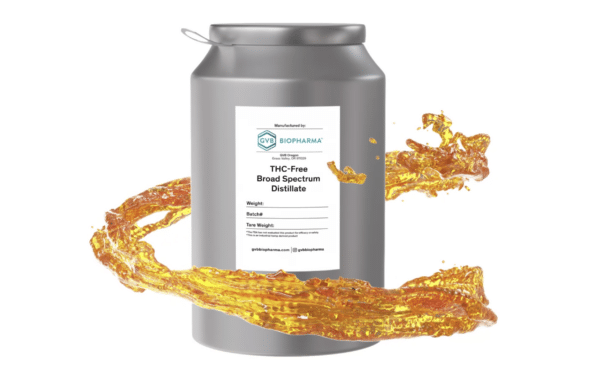
Broad-spectrum distillate (BSD) is a high-end extract that’s desirable for products that capitalize on the entourage effect while avoiding any traces of THC. This honey-like, distilled extract is easy to work with, and it’s applicable for a wide range of different product types. Learn about the properties of BSD, why it’s perfect for CBD products, and why GVB Biopharma is one of the world’s most trusted suppliers of broad-spectrum distillate and other wholesale cannabinoid extracts.
What is Broad Spectrum Distillate?
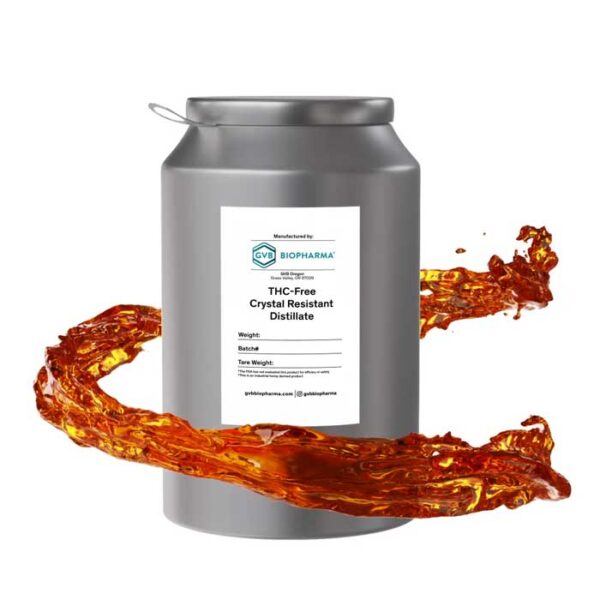
GVB Biopharma Broad-Spectrum Distillate is a highly refined form of CBD concentrates that contains undetectable levels of THC. While CBD extract only needs to contain less than 0.3% THC to be compliant, BSD extract is the result of a process that removes all traces of THC, which may be desirable for certain product types and verticals.¹
In addition to containing approximately 85-92% CBD, broad-spectrum distillate also contains around 2-5% minor cannabinoids. Examples of minor cannabinoids include CBG, CBN, and CBC, and each of these hemp constituents has unique phytomedicinal properties that make them desirable for various product types.
On top of their individual properties, the minor cannabinoids present in BSD collectively contribute to a theorized phenomenon called the entourage effect. According to hemp research, each cannabinoid becomes more potent when it is paired with other cannabinoids, and the more cannabinoids work in concert with each other, the stronger the entourage effect becomes. For example, research has shown the benefits of the entourage effect on psychiatric disorders and the improvement of debilitating symptoms from the synergistic effects of cannabinoid compounds taken internally.²
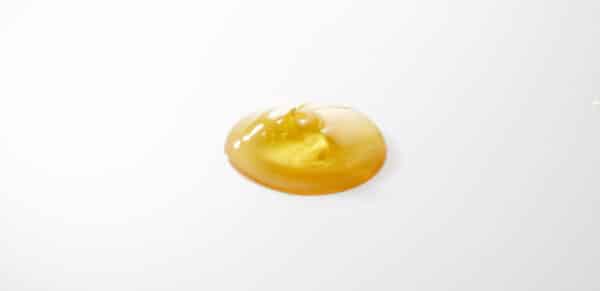
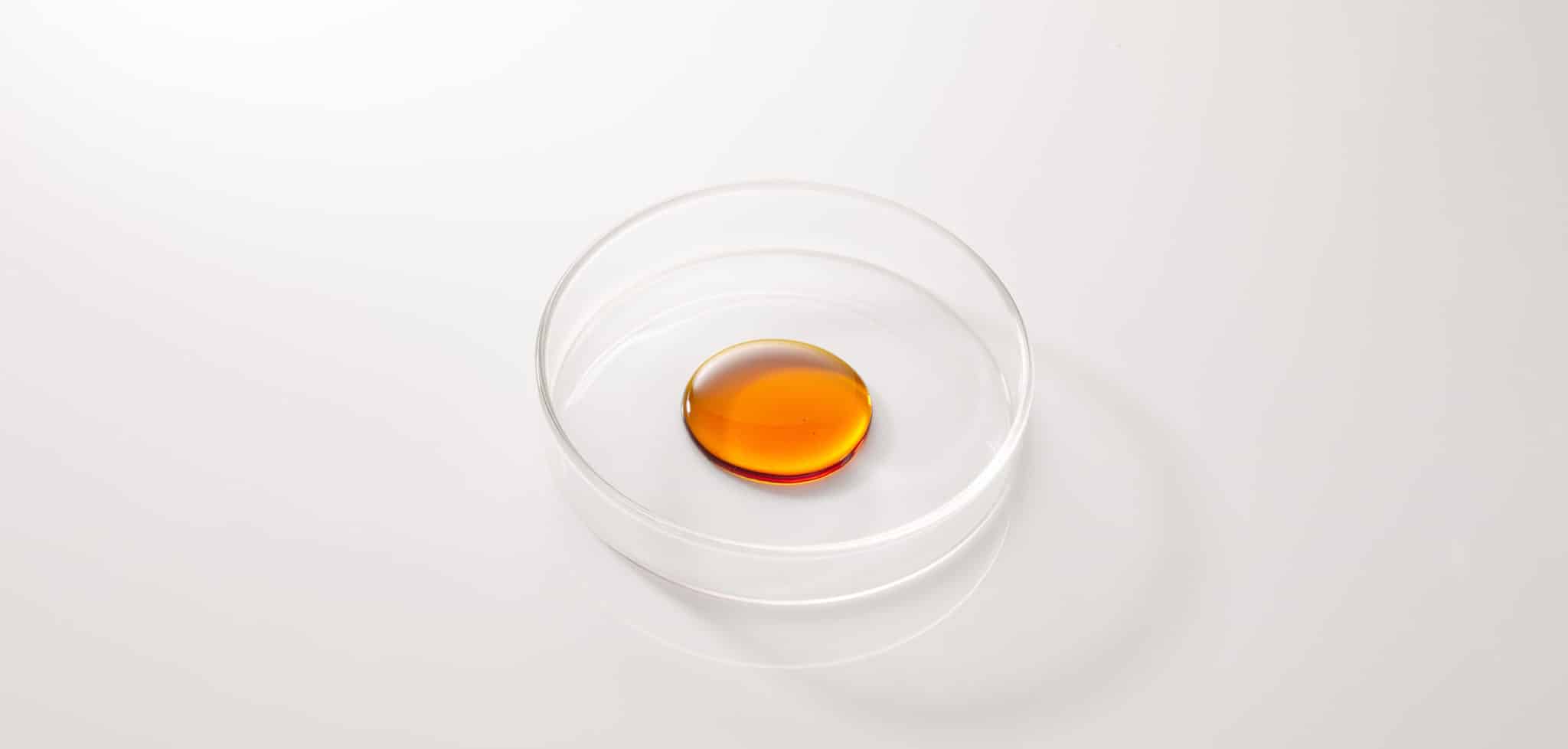
After it has been purified by removing chlorophyll, waxes, and other undesirable components, BSD extract takes on a translucent, honey-like appearance. This distilled concentrate expresses the unique flavors and aromas of hemp extract because it retains the terpenes and flavonoids that naturally occur in hemp flower.
Which product types are ideal for Bulk Broad-Spectrum Distillate?
Broad-spectrum distillate is ideal for product applications in which high levels of CBD accompanied by minor cannabinoids are desirable but any concentration of THC is unacceptable. To label a consumer product as “THC-free” while still offering the benefits of the entourage effect, for instance, it is necessary to use broad-spectrum distillate extract or a similar form of concentrate that retains minor cannabinoids while eliminating THC.
Since it is highly refined, broad-spectrum distillate has a milder taste than other types of CBD extract, which makes it ideal for tinctures, edibles, and other ingestible CBD products.³ Broad-spectrum distillate also has a clearer, lighter appearance than other types of CBD extract, which makes it perfect for adding to products in which discoloration is undesirable.
Keep in mind that BSD is oil-based, so it may not combine well with water-based products. For these applications, GVB Biopharma water-soluble CBD liquid or powder would be more desirable.
Why is GVB Biopharma the best source of bulk Broad-Spectrum Distillate?
GVB Biopharma is widely renowned as being one of the most reputable and compliant suppliers of bulk raw materials and white label cannabinoid products in the industry. While other cannabinoid suppliers outsource their supply chains we oversee every stage of the process from seed acquisition to cultivation to extraction and processing.
We actively pursue all compliance measures we can undertake, and we promote transparency by offering comprehensive lab reports and encouraging tours of our facilities. Here are a few of the reasons that GVB Biopharma extracts are so renowned around the world:
Testing and Quality
All GVB Biopharma products are tested multiple times throughout the production process. First, we test the seeds that we use to grow our hemp crops to ensure that they meet our purity and quality standards. While our hemp matures from these verified high-quality seeds, we engage in constant quality control measures to ensure that no pesticides, or other toxins contaminate our crops.
We test our hemp flower immediately after harvesting to make sure that our quality control measures were successful. Then, we test the crude extract that we derive from our hemp flower to ensure that no residual solvents are present. Once the THC and other undesirable components in this crude extract have been removed, we test the resulting broad-spectrum CBD distillate to ensure that it only contains desirable substances like CBD and the minor cannabinoids that help make BSD such a useful extract.
You have the option of buying our BSD extract and manufacturing your own products or allowing us to infuse BSD extract into pre-made white label products that you can then market yourself. If you select this all-encompassing service, we will test the final product before shipment for purity and potency.
Very few cannabinoid producers take such stringent measures to ensure that the BSD extract they produce is high-potency and free of contaminants. Lab reports are readily available for both our bulk BSD extract and our pre-made products that contain this type of cannabinoid-rich CBD concentrate.
Certified Producer
At GVB Biopharma, we proactively seek any and all certifications that may be relevant to our business operations. We were one of the first hemp facilities in Oregon to receive food-grade certification, and we work extensively with local fire marshals to ensure that all of our facilities are compliant with fire safety standards.
Most importantly, GVB Oregon is ISO 9001:2015 certified and holds an NSF International’s Good Manufacturing Practice Registration for dietary supplements. NSF International is a leading certification agency that verifies a manufacturing facility has the proper methods, equipment, facilities, and controls in place to produce dietary supplement products in accordance with the U.S. Food and Drug Administration’s regulations on dietary supplements.
GVB also recently received our Handling certification from California Certified Organic Farmers (CCOF) and has started producing Certified Active Pharmaceutical Ingredients (API), which affirms GVB Biopharma’s position as one of the industry’s leading hemp processors.
Each of our certifications speaks to our commitment to maintaining the highest levels of quality control and quality assurance possible. Furthermore, we observe all OSHA workplace safety standards, and fire code requirements at our facilities to ensure they are free of hazardous contaminants.
Regardless of any claims we may make about the quality of our bulk CBD isolate and other products, third-party validation is necessary to confirm the purity of our products and the integrity of our organization. Every certification effort we have pursued has proven that GVB Biopharma is one of the nation’s most reputable suppliers of CBD isolate and other cannabinoid extracts and finished products.
Fast Shipping
GVB Biopharma has locations throughout the United States, and we also have a facility in the UK. Plus, we’re in the process of opening a mainland European office, and GVB is one of the only cannabinoid producers to have a presence in South America with our Bogata, Colombia location.
Due to the diverse spread of facilities we’ve established around the world, we offer fast shipping services to more nations than nearly all of our competitors. Once you’ve placed an order with us for bulk water-dispersible powder, you can usually expect fulfillment within 24 hours. We can also use expedited shipping services to make sure your products arrive as quickly as possible.
With full tracking enabled with every order, you’ll never have to wonder about the location of your broad-spectrum distillate. Our customer service team is also available if you have any questions about your order.
Easy Reordering
At GVB Biopharma, we impose a 1-kilo minimum on all of our BSD extract wholesale orders. From your first order onward, our knowledgeable customer service staff will be standing by to discuss potential order quantities and pricing.
You’ll be supplied with a dedicated customer service contact for your first order and beyond, and we will keep in touch to make sure your order provided everything you hoped for. When it’s time to reorder, simply get in touch with your designated GVB Biopharma associate or contact us directly at support@gvbbiopharma.com to place another order.
Add BSD distillate to your product lineup today
Broad-spectrum distillate offers many of the same benefits as cruder forms of CBD extract while entirely eliminating THC and providing a variety of other purity advantages. Think of BSD as the bridge between compliant CBD extract and CBD isolate—like forms of extract that contain up to 0.3% THC, broad-spectrum distillate offers the entourage effect, but like isolate CBD, BSD does not contain detectable levels of THC.
To provide you with the security of knowing that the supply of high-quality GVB Biopharma BSD you need to support your brand will never run dry, we make reordering easy, and we offer tracking on every shipment we send out. At every stage of the sales process, transparency and accountability is the name of the game at GVB Biopharma, and we’ll always be here to support you in your cannabinoid industry endeavors.
Learn more about how to buy the best THC-free broad-spectrum distillate in the FAQ section below:
1. What is the best CBD distillate?
While many customers consider THC-free CBD distillate to be the best option for their needs, objectively speaking, there is no “best” form of CBD distillate. It is objectively true, though, that some CBD distillate manufacturers produce better products than others.
If you want to make sure absolutely no trace of THC makes its way into your products, THC-free broad-spectrum distillate may, indeed, be the right option for you. Some customers, however, don’t mind if small amounts of THC are present in their finished products, potentially making alternative extract types more ideal.
2. What is TFBSD?
In the hemp industry, “TFBSD” usually refers to THC-free broad-spectrum distillate, the type of cannabinoid extract we covered in this article. While relatively rare, some manufacturers choose to use this clunky abbreviation to refer to THC-free BSD, which is already a short-enough name for most purposes.
3. Does broad-spectrum extract really not contain any THC?
Yes, it’s true that broad-spectrum hemp extracts are designed to not contain any detectable concentrations of THC. Even in the best broad-spectrum extracts, a few THC molecules may still be present (especially in larger volumes), but not in detectable concentrations. A CBD extract isn’t guaranteed to be truly broad-spectrum just because it’s labeled as such, though — always check lab tests for confirmation that the claims a manufacturer makes about its CBD extracts are accurate.
4. What is ultra broad-spectrum CBD extract?
In the CBD industry, the term “ultra broad-spectrum CBD extract” usually refers to a type of extract that contains no THC but boosted concentrations of other non-CBD cannabinoids like CBG, CBN, and CBC. This extract type is often desired solely for its high minor cannabinoid content.
Sources
1. Ohtsuki, T.; Friesen, B.; Chen, S.-N.; McAlpine, J. B.; F. Pauli, G. F. Selective Preparation and High Dynamic-Range Analysis of Cannabinoids in “CBD Oil” and Other Cannabis sativa Preparations. Journal of Natural Products 2022, DOI: 10.1021/acs.jnatprod.1c00976. Retrieved from: https://pubs.acs.org/doi/abs/10.1021/acs.jnatprod.1c00976
2. Ferber, S. G.; Namdar, D.; Hen-Shoval,D.; Eger, G.; Koltai, H.; Shoval, G.; Shbiro, L.; Weller, A. The “Entourage Effect”: Terpenes Coupled with Cannabinoids for the Treatment of Mood Disorders and Anxiety Disorders. Current Neuropharmacology, 2020, 18, 87-96. Retrieved from: https://pubmed.ncbi.nlm.nih.gov/31481004/
3. Nelsona, K. M; Bissonb, J.;Singha, G.; Grahamb, J. G.;Chenb, S.-N.; Friesenb, B.; Dahlind, J. L.; Niemitzf, M.; Walters, M. A.; F. Pauli, G. F. The Essential Medicinal Chemistry of Cannabidiol (CBD). Journal of Medicinal Chemistry 2020. 63(21): 12137–12155. Retrieved from: https://www.ncbi.nlm.nih.gov/pmc/articles/PMC7666069/pdf/nihms-1621841.pdf
CBD isolate is one of the most reliable cannabinoid extracts to work with. Products that contain isolated CBD, CBG Isolate, or CBC Isolate, are in high demand, and there will always be a market for purified, isolated cannabinoid extracts. Learn what CBD isolate is, why it’s a great addition to your product line, how to purchase CBD in bulk, and why GVB Biopharma is one of the world’s leading suppliers of bulk CBD isolate crystalline powder in this in-depth buyer’s guide.
What is CBD isolate?
CBD isolate is a type of CBD that does not contain THC as an end result of a complex series of extraction processes. GVB Biopharma’s CBD isolate contains 99%+ cannabidiol molecules, which means that it is almost entirely molecularly homogenous.
Bulk CBD Isolate Guide
To isolate cannabidiol molecules, it’s first necessary to extract the oils from cannabinoid-rich hemp flower. Next, we systematically remove all the waxes, chlorophyll, terpenes, and miscellaneous oils that hemp extract contains until only CBD molecules remain.¹
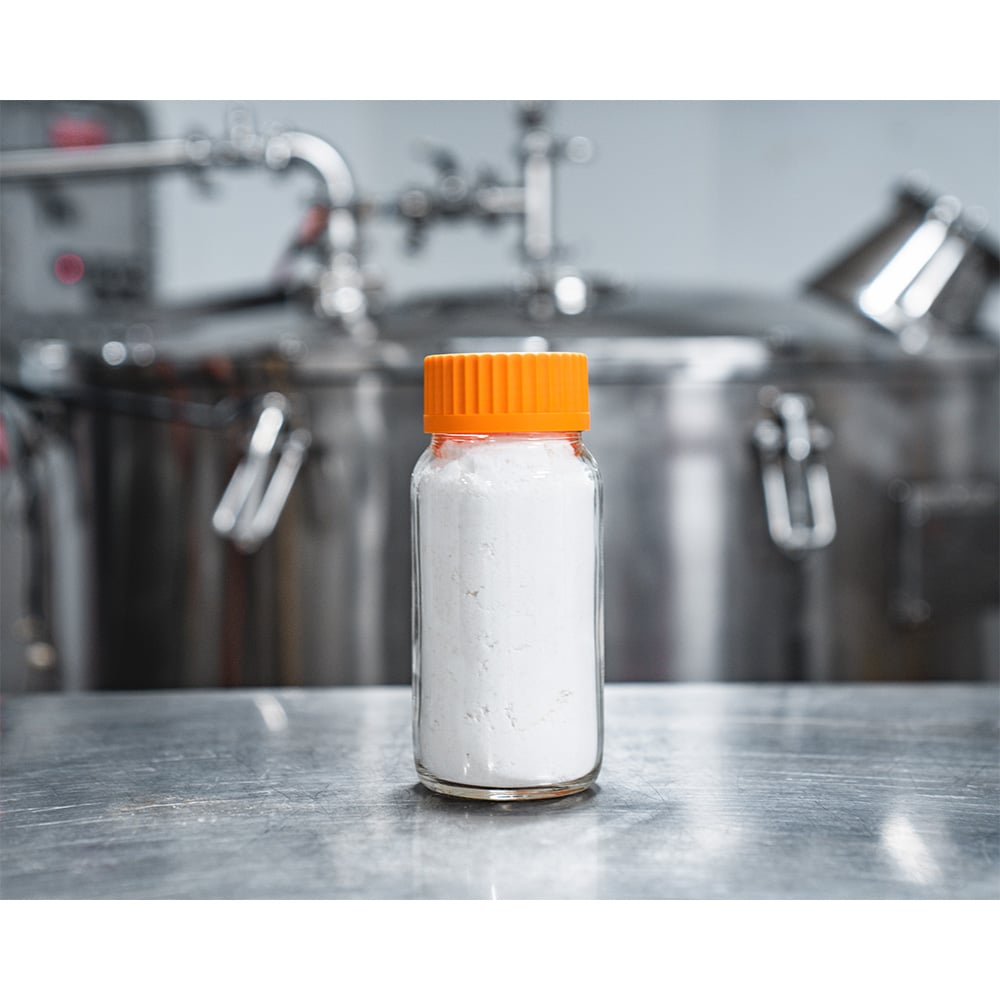
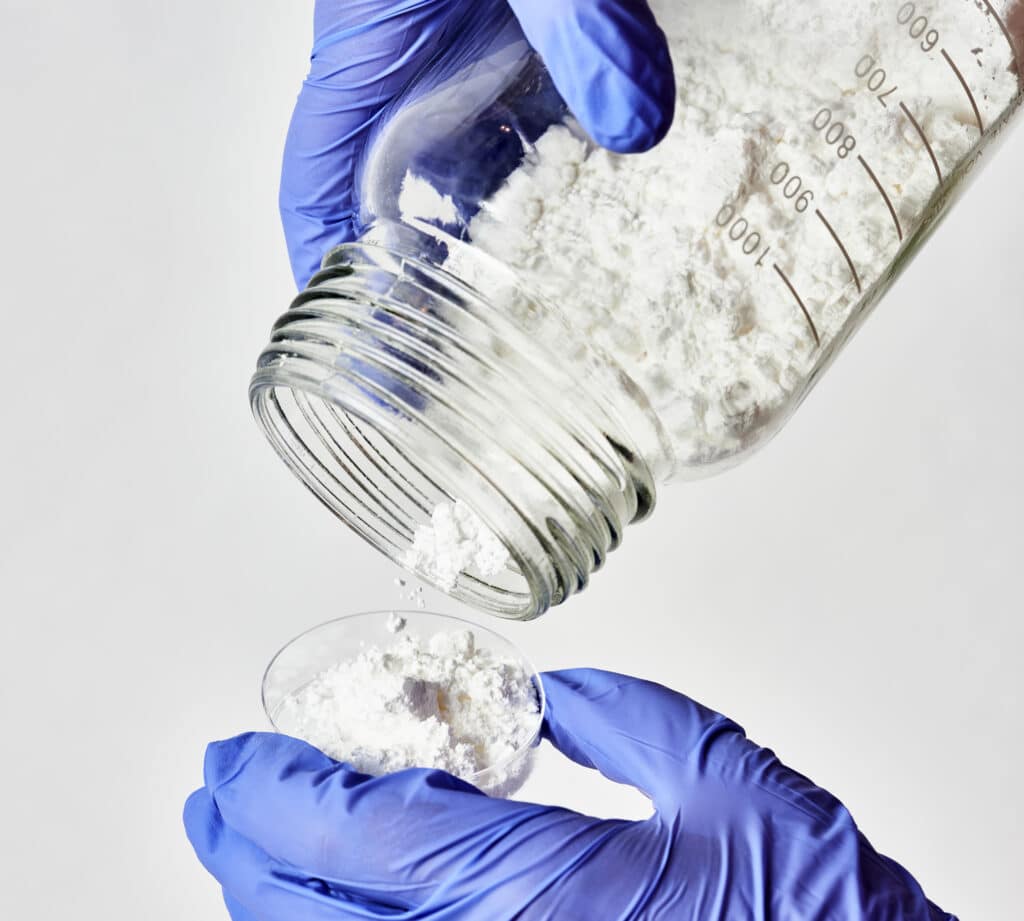
Once our comprehensive extraction and purification processes are complete, GVB Biopharma CBD isolate takes on a crystalline appearance. We then crush these crystals into a corse powder to make Bulk CBD isolate easier to add to product formulations.
CBD isolate does not contain any THC, it is flavorless, and it does not have any aroma. The chemical purity of wholesale CBD isolate makes it easy to determine accurate doses of this cannabidiol extract, and isolated CBD is one of the most cost-effective raw materials we offer.
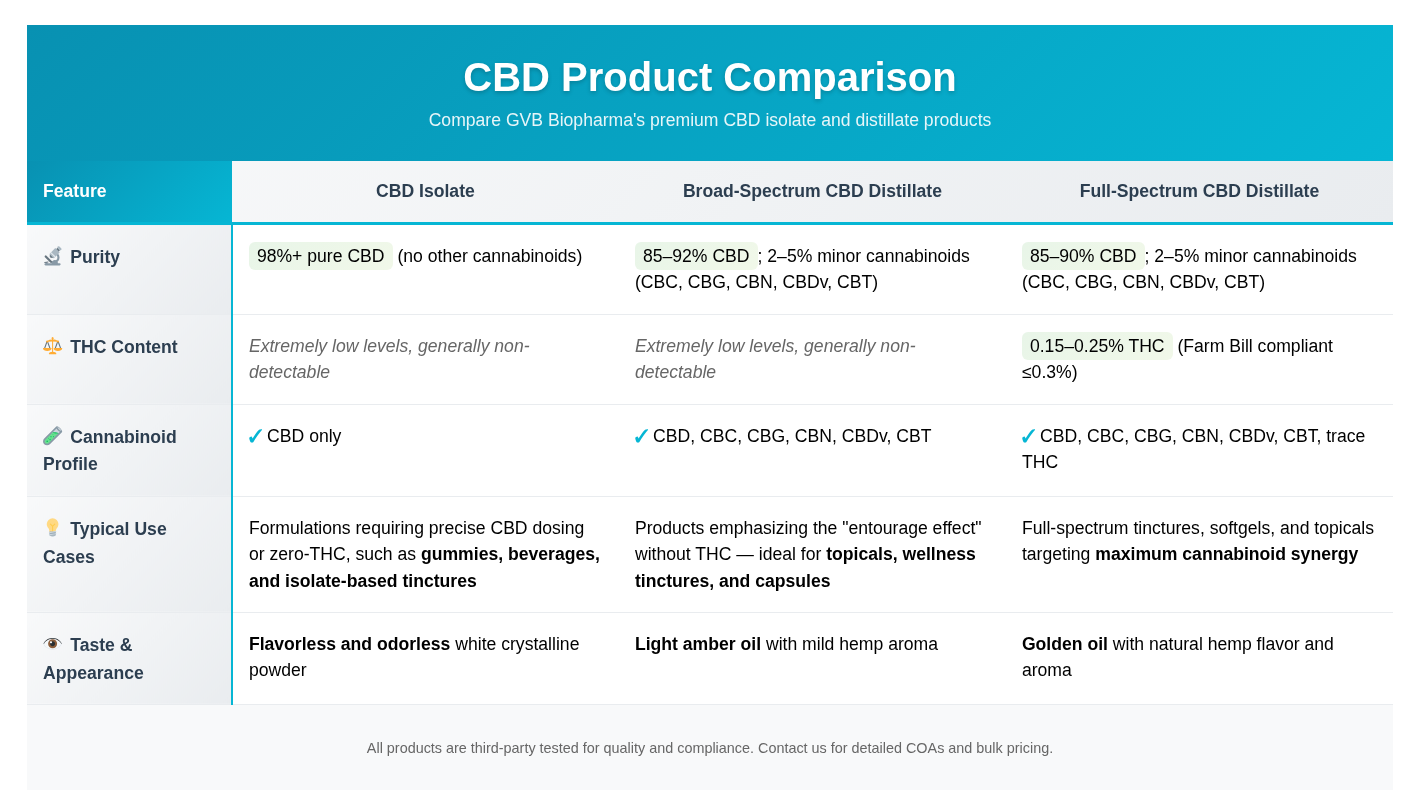
CBD Isolate vs. Broad Spectrum CBD vs. Full Spectrum CBD Comparison
Which product types are ideal for CBD isolate?
Isolated CBD is ideal for applications in which chemical purity and easy dosing are desirable. While cannabidiol isolate does not contain any of the terpenes, flavonoids, or minor cannabinoids that may increase the effects of cannabidiol in the body, it is the most reliable type of cannabidiol extract to work with, and it offers the greatest degree of purity.²
Crystalline CBD isolate turns into a powder when crushed, enabling quick blending with lotions, creams, tinctures, or edibles. Since isolated cannabidiol is not an oil, it combines well with practically every conceivable product type. CBG isolate, CBC isolate, and CBN isolate are easy additions to any product type and can combine to create a unique product of highly concentrated minor cannabinoids.
Why is GVB Biopharma the best source of bulk CBD isolate?
At GVB Biopharma, we have a reputation for successfully delivering comprehensive, end-to-end cannabinoid product solutions. We oversee every production step from seed to sale, and our facilities comply with all local, state, and federal laws.
While other bulk hemp and bulk cannabinoid producers skulk in the shadows, we actively encourage transparency. Let’s dive into the compelling reasons that GVB Biopharma is one of the world’s most reliable suppliers of wholesale CBD isolate.
Certified producer
At GVB Biopharma, we proactively seek any and all certifications that may be relevant to our business operations. We were one of the first hemp facilities in Oregon to receive food-grade certification, and we work extensively with local fire marshals to ensure that all of our facilities are compliant with fire safety standards.
Most importantly, GVB Oregon is ISO 9001:2015 certified and holds an NSF International’s Good Manufacturing Practice Registration for dietary supplements. NSF International is a leading certification agency that verifies a manufacturing facility has the proper methods, equipment, facilities, and controls in place to produce dietary supplement products in accordance with the U.S. Food and Drug Administration’s regulations on dietary supplements.
GVB received Handling certification from California Certified Organic Farmers (CCOF). We also began offering Certified Active Pharmaceutical Ingredients (API), affirming GVB Biopharma’s position as the industry’s leading hemp processor.
Each of our certifications speaks to our commitment to maintaining the highest levels of quality control and quality assurance possible. Furthermore, we adhere to OSHA standards and fire code requirements, keeping facilities free from hazardous contaminants.
Regardless of any claims we may make about the quality of our bulk CBD isolate and other products, third-party validation is necessary to confirm the purity of our products and the integrity of our organization. Every certification confirms GVB Biopharma ranks among the nation’s most reputable CBD isolate and cannabinoid suppliers.
Testing and quality
All GVB Biopharma products are tested multiple times throughout the production process. First, we test the seeds used to grow our hemp crops, ensuring they meet purity and quality standards. As our hemp matures from verified seeds, we enforce quality control measures to prevent pesticide or toxin contamination.
Immediately after harvesting, we test our bulk hemp flower to make sure our quality control measures were successful. Then, we test the crude extract removed from our hemp to ensure that there are no residual solvents present. Once the oils in this crude extract have been removed, we test the resulting CBD isolate to ensure that it is free of flavonoids, terpenes, minor cannabinoids, and other non-CBD substances.
You can buy our CBD isolate and produce your own products. Alternatively, let us infuse CBD isolate into white-label items you can then market. If you select this all-encompassing service, we will test the final product before shipment for purity and potency.
Few bulk cannabinoid producers apply such rigorous measures to ensure high-potency, contaminant-free CBD isolate. Lab reports are readily available for both our bulk CBD isolate and our pre-made products that contain isolated CBD.
Your CBD isolate certificates of analysis from a third-party lab should look like the following:
Page 1 of GVB Biopharma’s CBD Isolate COA
Page 2 of GVB Biopharma’s CBD Isolate COA
Disclaimer: These COAs are an example of a few pages of GVB Biopharma’s CBD Isolate COAs. Test results may vary and it is important to review the results of every batch.
Add CBD isolate to your product lineup today
You can craft virtually any product using bulk CBD isolate. However, its full potential declines without advanced manufacturing and rigorous quality control. At GVB Biopharma, multi-stage lab testing confirms the exceptional purity of our CBD isolate. Our proactive certifications demonstrate our commitment to delivering the best CBD isolate available.
Once you secure premium CBD isolate, your greatest concern is losing consistent access to this crucial ingredient. Our streamlined reordering process ensures you never run out of the CBD isolate your brand depends on. Tracking-enabled shipping grants you complete oversight of every step in the fulfillment process.
Fast Shipping
GVB Biopharma has locations throughout the United States, and we also have a facility in the UK. We are opening a mainland European office to expand our global reach. We also operate in Bogotá, Colombia, making us one of the only cannabinoid producers with a South American presence.
Thanks to our global facilities, we offer fast shipping to more nations than nearly all competitors. Once you’ve placed an order with us for CBD in bulk, you can usually expect fulfillment within 24 hours. We can also use expedited shipping services to make sure your products arrive as quickly as possible.
With full tracking enabled with every order, you’ll never have to wonder about the location of your bulk CBD isolate crystalline powder. Our customer service team is also available if you have any questions about your order.
You’ll be supplied with a dedicated sales representative for your first order and beyond, and we will keep in touch to make sure your order provided everything you hoped for. When it’s time to reorder, simply get in touch with your designated GVB Biopharma associate or contact us directly at support@gvbbiopharma.com to place another order.
GVB Biopharma is a professional, highly-rated provider of CBD isolate in the U.S., and we’re expanding all around the globe. We owe our success to three founding principles—quality, transparency, and certification, and we invite you to discover the difference that true professionalism makes in the CBD industry.
Buying CBD Isolate FAQ
Learn more about the ins and outs of buying CBD isolate below:
1. What is CBD isolate and how is it made?
CBD isolate is the purest form of cannabidiol, refined from hemp through extraction and purification processes to remove all other cannabinoids, terpenes, and plant matter. The result is a crystalline powder with 98%+ pure CBD and no detectable THC.
2. Why choose CBD isolate over full-spectrum or broad-spectrum CBD?
CBD isolate is ideal for those requiring zero THC, precise dosing, or flavorless formulation. In 2025, it ensures regulatory compliance and is perfect for sports, pharmaceuticals, or cosmetic products seeking purity and legal assurance.
3. How can you verify CBD isolate quality before buying?
Review third-party lab reports showing cannabinoid content and absence of contaminants, confirm cGMP certification, and ask for transparent sourcing and batch traceability, as provided by GVB Biopharma.
4. What are the main uses for CBD isolate?
CBD isolate can be used in tinctures, topicals, edibles, capsules, beverages, and pet products. Its lack of taste and THC makes it versatile for precise and compliant product formulations.
5. What should buyers look for in a CBD isolate supplier in 2025?
Look for suppliers who provide updated lab results, cGMP certification, transparent sourcing, and exemplary quality control, such as GVB Biopharma—all needed for regulatory compliance and product safety in the US.
6. Is CBD isolate legal everywhere in the US in 2025?
Generally yes, if derived from industrial hemp containing less than 0.3% THC, but always check individual state laws and ensure documentation like COAs to avoid legal issues.
7. How should CBD isolate be stored?
Store CBD isolate in a cool, dry, airtight container away from sunlight and moisture to preserve potency and prevent contamination. GVB Biopharma ships product with clear storage guidelines.
8. How much does a kilo of CBD isolate cost?
The price of a kilo of CBD isolate depends on the quality of the isolate, the quantity of the order, and — perhaps most importantly — the moral integrity of the producer. It’s certainly possible to overcharge for large orders of low-quality isolate, but reputable CBD isolate manufacturers always strive to offer the best quality for the fairest prices. Contact a client care representative for more information on bulk cannabinoid pricing.
9. Is CBD isolate expensive?
No, CBD isolate isn’t generally considered to be expensive within the wider spectrum of hemp extracts. On the contrary, isolate is among the more-inexpensive CBD extracts, but that’s because it’s so simple. Easy to produce and offering only the simplest benefits of the hemp plant, CBD isolate is an entry-level option that’s sometimes fit for even the highest-end hemp products.
10. Is CBD isolate more potent?
Yes, and no. CBD isolate is not generally considered to be among the more potent CBD extracts in terms of overall effects, but it is often provided in higher cannabinoid concentrations than other types of extracts. Full-spectrum CBD, for instance, is usually considered to be more potent due to the entourage effect, but full-spectrum extracts also commonly contain lower overall concentrations of cannabinoids per volume.
11. Does CBD isolate show up on a drug test?
No, CBD isolate products do not usually cause false positives for THC on drug tests since they are molecularly homogenous, meaning they consist only of the CBD molecule. This means they don’t contain enough THC to trigger a drug test — any tiny trace amounts potentially left behind are undetectable.
Sources
1. Martinenghi, L. D.; Jønsson, R.; Jenssen, H. Isolation, Purification, and Antimicrobial Characterization of Cannabidiolic Acid and Cannabidiol from Cannabis sativa L. Biomolecules2020, 10(6); 900. Retrieved from: https://www.ncbi.nlm.nih.gov/pmc/articles/PMC7355595/
2. Valizadehderakhshan, M.; Shahbazi. A.;Kazem-Rostami, M. S.; Bhowmik. A.; Wang, L. Extraction of Cannabinoids from Cannabis sativa L. (Hemp)-Review. Agriculture2021, 11, 384. Retrieved from https://www.mdpi.com/2077-0472/11/5/384/htm
Full-spectrum (compliant) distillate is a refined form of hemp extract that is guaranteed to contain less than 0.3% THC. This type of distillate is referred to as “compliant” since its THC levels are in compliance with regulatory and legal requirements established by the 2018 Farm Bill¹.
This CBD extract is honey-like and amber-colored in appearance, and as a purified oil, it blends well with most product types. In this guide, we’ll introduce you to the unique properties of full-spectrum distillate, explain why this type of extract is useful, and share the most compelling reasons that you should trust GVB Biopharma as your bulk CBD full-spectrum supplier.
What is Full-Spectrum (Compliant) Distillate?
At GVB Biopharma, all of the hemp strains we cultivate to produce high-quality CBD extracts are bred to contain less than 0.3% THC. Due to our proprietary processing, all of our finished cannabinoid extracts also contain less than 0.3% THC as well. Full-spectrum CBD distillate is a refined extract manufactured by GVB that contains THC at levels that are federally compliant².
Compliant full-spectrum distillate is one of the most affordable bulk ingredients we offer at GVB Biopharma. This is because the distillate has not been subjected to additional processes that fully remove the THC from CBD distillate. At the same time, however, this distillate product represents the pinnacle of advanced hemp extraction science. To provide this extract with the maximum purity possible, we take great care to remove all traces of chlorophyll, wax, and other components that are not desirable in high-end distillate.
In addition to being more affordable, one impressive advantage offered by full-spectrum distillate is the potential of providing the entourage effect. Current research indicates that hemp extract is more potent when the various cannabinoids present in Cannabis sativa flower are consumed together³ (the entourage effect). The full-spectrum distillate may offer these enhanced effects when compared to CBD isolate or other hemp extracts that do not contain any traces of THC.
When reduced to concentrations below 0.3%, the THC content in full-spectrum distillate does not cause any intoxicating effects. It’s possible, however, that when combined with CBG, CBN, CBC, and other non-intoxicating minor cannabinoids, the presence of trace amounts of THC could improve the effectiveness of CBD due to the entourage effect.
This versatile GVB Biopharma full spectrum extract has a variety of unique attributes that make it worth considering as an addition to your CBD brand.
Which product types are ideal for full-spectrum distillate?
GVB Biopharma full-spectrum distillate is ideal for product formulations that are designed to offer the full benefits of CBD while retaining very low THC levels. If it is not necessary to eliminate all traces of THC from your product line, then full-spectrum distillate is an affordable option that may offer enhanced benefits over CBD isolate and other forms of CBD extract in which THC has been eliminated.
Full-spectrum distillate is highly refined, making it very different from winterized or crude CBD extract. Less-refined forms of CBD extract may have a bitter flavor and cause discoloration when they are added to product formulations. In contrast, full-spectrum extract has a light color and mild taste, making it easy to mix with almost every product type imaginable without undesired effects.
Full-spectrum distillate is naturally hydrophobic and will not mix with a water-based product.4 If you want to use full-spectrum distillate in a water-based product, we have full-spectrum water-soluble CBD concentrate options at your disposal.
Why is GVB Biopharma the best source of bulk full-spectrum distillate?
Around the world, GVB Biopharma is widely known as being one of the most professional and transparent CBD extract manufacturers. We pride ourselves on using the best materials and equipment, and we oversee every stage of the manufacturing process ourselves to ensure total quality control and accountability.
In addition to actively pursuing all relevant compliance measures, we also perform comprehensive in-house testing on all of our products. To top it off, our customer service team is second-to-none, and our proactive client relations efforts make it easy to reorder or update your product line at any time. Here are some additional details on what makes GVB Biopharma such a straightforward and rewarding CBD producer to partner with:
Testing and Quality
All GVB Biopharma products are tested multiple times throughout the production process. First, we test the seeds that we use to grow our hemp crops to ensure that they meet our purity and quality standards. While our hemp matures from these verified high-quality seeds, we engage in constant quality control measures to ensure that no pesticides or other toxins contaminate our crops.
We test our hemp flower immediately after harvesting to make sure that our quality control measures were successful. Then, we test the crude extract that we derive from our hemp flower to ensure that no residual solvents are present. Once the unnecessary components in this crude extract have been removed, we test the resulting full-spectrum CBD distillate to ensure that it includes less than 0.3% THC and still contains desirable substances like CBD and the minor cannabinoids that help make full-spectrum distillate such a useful extract.
You have the option of buying our full-spectrum distillate and manufacturing your own products or allowing us to infuse full-spectrum distillate into pre-made white label products that you can then market yourself. If you select this all-encompassing service, we will test the final product before shipment for purity and potency.
Very few cannabinoid producers take such stringent measures to ensure that the full-spectrum distillate they produce is high-potency and free of contaminants. Lab reports are readily available for both our bulk full-spectrum distillate and our white label products that contain this type of cannabinoid-rich CBD concentrate.
Certified Producer
At GVB Biopharma, we proactively seek any and all certifications that may be relevant to our business operations. We were one of the first hemp facilities in Oregon to receive food-grade certification and we work extensively with local fire marshals to ensure that all of our facilities are compliant with fire safety standards.
Most importantly, GVB Oregon is ISO 9001:2015 certified and holds an NSF International’s Good Manufacturing Practice Registration for dietary supplements. NSF International is a leading certification agency that verifies a manufacturing facility has the proper methods, equipment, facilities, and controls in place to produce dietary supplement products in accordance with the U.S. Food and Drug Administration’s regulations on dietary supplements.
GVB also recently received our Handling certification from California Certified Organic Farmers (CCOF) and has started producing Certified Active Pharmaceutical Ingredients (API), which affirms GVB Biopharma’s position as one of the industry’s leading hemp processors.
Each of our certifications speaks to our commitment to maintaining the highest levels of quality control and quality assurance possible. Furthermore, we observe all OSHA workplace safety standards and fire code requirements at our facilities to ensure they are free of hazardous contaminants.
Regardless of any claims, we may make about the quality of our bulk CBD isolate and other products, third-party validation is necessary to confirm the purity of our products and the integrity of our organization. Every certification effort we have pursued has proven that GVB Biopharma is one of the nation’s most reputable suppliers of CBD isolate and other cannabinoid extracts and finished products.
Fast Shipping
GVB Biopharma has locations throughout the United States and we also have a facility in the UK. Plus, we’re in the process of opening a mainland European office and GVB is one of the only cannabinoid producers to have a presence in South America with our Bogata, Colombia location.
Due to the diverse spread of facilities we’ve established around the world, we offer fast shipping services to more nations than nearly all of our competitors. Once you’ve placed an order with us for bulk water-dispersible powder, you can usually expect fulfillment within 24 hours. We can also use expedited shipping services to make sure your products arrive as quickly as possible.
With full tracking enabled with every order, you’ll never have to wonder about the location of your full-spectrum distillate. Our customer service team is also available if you have any questions about your order.
Easy Reordering
At GVB Biopharma, we impose a 1-kilo minimum on all of our full-spectrum distillate wholesale orders. From your first order onward, our knowledgeable customer service staff will be standing by to discuss potential order quantities and pricing.
You’ll be supplied with a dedicated customer service contact for your first order and beyond, and we will keep in touch to make sure your order provided everything you hoped for. When it’s time to reorder, simply get in touch with your designated GVB Biopharma associate or contact us directly at support@gvbbiopharma.com to place another order.
Add full-spectrum distillate to your product lineup today
GVB Biopharma full-spectrum distillate provides many of the same benefits as other CBD distillates while being affordable and completely compliant with all regulations that require CBD products to contain less than 0.3% THC. Since it is a distilled form of CBD extract, full-spectrum distillate is incredibly pure, and it has a mild taste, making it ideal for ingestible products, topical products, and a variety of other CBD product categories.
When you choose GVB Biopharma as your CBD supplier, you don’t only get high-quality CBD products. You also gain access to comprehensive customer service, and our team will help you with any issue that may arise as you develop a brand that will reach your target audience and succeed in the long term. Partner with us at GVB Biopharma to experience the difference that true dedication to excellence can provide in the CBD industry.
Full-spectrum distillate FAQs
1. Is full-spectrum distillate the same as distillate?
Usually, the general term “distillate” refers to full-spectrum distillate in the context of hemp or cannabis. It would be a mistake to assume, however, that all distillate is full-spectrum.
Many distilled hemp extracts are now broad-spectrum instead, which is the same as full-spectrum except that it contains undetectable levels of THC. Always check the labeling to make sure which type of hemp extract you’re working with.
2. What does “full-spectrum distillate” mean?
The exact meaning of the term “full-spectrum distillate” varies depending on the manufacturer, but most people take full-spectrum distillate to be CBD, CBG, or CBN distillate containing up to 0.3% THC. That’s the meaning of “full-spectrum” whether it’s referring to bulk distillate or individually packaged tinctures — hemp cannabinoids combined with compliant levels of THC, which could potentially contribute to the entourage effect.
3. What is stronger: distillate or concentrate?
Distillate is a type of concentrate, so it doesn’t make sense to compare these two terms side by side. It’s true, though, that products labeled “distillate” are more likely to be highly concentrated than products labeled “concentrate.” The term “concentrate,” after all, can refer to any type of concentrated extract while “distillate” refers specifically to a high-purity, refined product that often is quite high-potency indeed.
4. How can you tell the quality of distillate?
The best way to determine the quality of distillate is to take a look at lab reports. Pay special attention to both cannabinoid and contaminant concentrations. You should also perform a visual assessment of the distillate — high-quality distillate should be amber-clear and run like honey.
2. Marinotti, O., & Sarill, M. (2020). Differentiating full-spectrum hemp extracts from CBD isolates: Implications for policy, safety and science. Journal of Dietary Supplements, 17(5), 517-526. Retrieved from https://www.tandfonline.com/doi/abs/10.1080/19390211.2020.1776806
THC-free crystal-resistant distillate is an ultra-refined CBD extract that contains high concentrations of minor cannabinoids, while resisting crystallization and remaining in a liquid form. GVB Biopharma introduced crystal-resistant distillate to the global cannabinoid market and remains a pinnacle producer today.
We originally developed our proprietary crystal-resistant distillate for use in vape cartridges. However, our clients also found that this extract is useful for topicals and other products, where increased crystallization resistance and high minor cannabinoid content are desired. In this guide, you will learn more about crystal-resistant distillate and why so many brands trust GVB Biopharma to supply them with this unique extract.
What is crystal-resistant distillate?
Crystal-resistant distillate (CRD) is similar to our broad-spectrum distillate (BSD) but undergoes an additional process that prevents crystallization for up to six months.¹ Like BSD, crystal-resistant distillate contains undetectable levels of THC. However, due to its unique properties, CRD contains even higher concentrations of a wide range of minor cannabinoids than broad-spectrum distillate.
CBD naturally takes on a crystalline state. Many of the minor cannabinoids do not readily form into crystals. Most forms of CBD distillate, therefore, contain limited concentrations of minor cannabinoids. Due to its liquid state, CRD can accommodate higher concentrations of diverse minor cannabinoids.
As a result, GVB Biopharma’s crystal-resistant distillate can contain up to 25% minor cannabinoids and 35-45% CBD. This unique ability to include significant concentrations of minor cannabinoids makes CRD desirable for a wide range of applications.²
Which product types are ideal for crystal-resistant distillate?
Our crystal-resistant distillate was originally developed for use in high-end vape cartridges. In most hemp vape cartridges, CBD must be diluted and emulsified with undesirable substances, such as VG, PG, or MCT oil, for the vape oil to maintain a liquid state.
GVB Biopharma’s CRD, however, is liquid in its natural state. So, it does not need to be mixed with anything to stay in solution. This attribute makes CRD highly desirable in high-end, additive-free vape cartridges for discerning consumers.
Due to its natural liquid state and high concentration of minor cannabinoids, CRD also enjoys popularity within a variety of other product categories. As consumer awareness of the benefits of minor cannabinoids grows, demand for cannabinoids, like CBG, CBN, and CBC, is also increasing. Since CRD contains 15-25% minor cannabinoids, this extract is attractive for use in tinctures, capsules, topical creams, and various other product categories.
As a type of broad-spectrum CBD extract, crystal-resistant distillate also capitalizes on the growing interest in the entourage effect. The beneficial effects of this proposed synergistic effect between the major and minor cannabinoids in cannabis extracts have not yet been definitively proven. However, the existing evidence clearly suggests that the effects of individual cannabinoids are enhanced when the full spectrum of Cannabis sativa flower constituents work together.
Since crystal-resistant distillate contains more minor cannabinoids than most types of CBD extract, it’s possible the entourage effect it provides could be proportionally stronger. While CRD is ideal for vape products, this bulk ingredient could be used in other products to increase their entourage effect.
Why is GVB Biopharma the best source of bulk crystal-resistant distillate?
While other suppliers are still struggling to bring their crystal-resistant distillate production up to scale, GVB Biopharma has long been the market’s dominant provider of this specialized CBD bulk ingredient. Our proprietary distillation process, cutting-edge facilities, and strong focus on research have allowed us to gain a competitive edge within this critical product category. Our meticulous, large scale production of CRD ensures a degree of quality and attention to detail that cannot be found anywhere else in the industry.
In addition to our market dominance in CRD, GVB Biopharma is also one of the world’s most established and highly regarded bulk and white label cannabinoid suppliers. Our strict adherence to all applicable regulatory standards and our rigorous testing methodologies ensure our operations are scientifically rigorous and professional. Our unwavering focus on transparency, accountability, and customer service establishes trust and builds long-lasting relationships. Let’s explore the benefits of working with GVB Biopharma in more detail:
Testing and Quality
All GVB Biopharma products are tested multiple times throughout the production process. First, we test the seeds that we use to grow our hemp crops to ensure that they meet our purity and quality standards. While our hemp grows and matures from these verified high-quality seeds, we engage in constant quality control measures to guarantee that no pesticides or other toxins contaminate our crops.
We test hemp flowers immediately after harvesting to confirm the results of our previous quality control measures. Then, we test the crude extract, derived from our hemp flowers, to ensure that no residual solvents are present. Once THC and other unnecessary components in this crude extract have been removed, we test the resulting crystal-resistant CBD distillate to ensure that it contains no detectable amounts of THC, while retaining abundant amounts of CBD and minor cannabinoids.
Customers may buy our crystal-resistant distillate and manufacture their own products or allow us to infuse crystal-resistant distillate into pre-made white label products they can market themselves. No matter which service you choose, we always test the purity and potency of any product before it ships.
Very few cannabinoid producers use such stringent measures to ensure that the crystal-resistant distillate they produce is high-potency and free of contaminants. Lab reports are readily available for both our bulk crystal-resistant distillate and our pre-made products that contain CRD.
Certified Producer
At GVB Biopharma, we proactively seek any and all certifications that may be relevant to our business operations. We were one of the first hemp facilities in Oregon to receive food-grade certification. We work closely with local fire marshals to ensure that all of our facilities are compliant with fire safety standards.
Furthermore, we observe all OSHA workplace safety standards at our facilities to ensure they are free of hazardous contaminants. Most importantly, GVB Oregon has recently obtained ISO 9001: 2015 certification and is 3rd party NSF cGMP certified, allowing us to maintain the highest levels of quality control and quality assurance possible.
Even though we are justifiably proud and vocal about the quality of our crystal-resistant distillate and other products, third-party validation is necessary to confirm the purity of our products and the integrity of our organization.³ Every certification effort we have pursued and obtained further cements GVB Biopharma’s reputation as one of the nation’s largest, most reputable producers of crystal-resistant distillate, cannabinoid extracts, and finished products.
Fast Shipping
GVB Biopharma has locations throughout the United States and a facility in the UK. We’re in the process of opening a mainland European office. GVB is one of the only cannabinoid producers in South America, with a location in Bogota, Colombia.
Due to the diverse network of facilities we’ve established around the world, we offer fast shipping services to more nations than nearly all of our competitors. Once you’ve placed an order with us for bulk water-dispersible powder, you can usually expect fulfillment within 24 hours. We can also use expedited shipping services to make sure your products arrive as quickly as possible.
With full tracking for every order, you’ll never have to wonder about the location of your crystal-resistant distillate. Our customer service team is also available, if you have any questions about your order.
Easy Reordering
At GVB Biopharma, we require a 1-kilo minimum on all of our crystal-resistant distillate wholesale orders. From your first order onward, our knowledgeable customer service staff will be standing by to answer all your questions and fulfill your needs.
You’ll be supplied with a dedicated customer service contact for your first order and beyond. We will also keep in touch to make sure you are satisfied when your order arrives. When it’s time to reorder, simply get in touch with your designated GVB Biopharma associate or contact us directly at sales@gvbbiopharma.com.
Add crystal-resistant distillate to your product lineup today
Crystal-resistant distillate offers unique benefits that are ideal for vape products and distinguish other types of CBD products from the competition. While this highly refined distillate extract contains undetectable levels of THC, it contains more minor cannabinoids than practically any other extract on the market. It is ideal for capitalizing on the entourage effect and the growing consumer interest in minor cannabinoids.
GVB Biopharma is not only the world’s largest supplier of crystal-resistant extract—we’re also one of the market’s friendliest and most professional cannabinoid suppliers. When you decide to work with GVB Biopharma, we help to make your CBD brand dreams come true. Contact us today to experience the benefits that crystal-resistant distillate has to offer and gain a leg up in the industry with our unrelenting dedication to excellence.
Crystal-resistant distillate FAQs
1. What is the difference between CBD and CRD?
CRD usually contains CBD, but most types of CBD are not CRD. The term “CRD” stands for “crystal-resistant distillate,” meaning it’s a type of cannabinoid distillate that resists crystallization.
While CBD is the cannabinoid most commonly used in CRD, it is not the only hemp compound that can be included. CBG, CBN, CBDa, and a wide variety of other natural cannabinoids are also compatible with CRD. In a nutshell, CBD and CRD are not the same. CBD is a type of cannabinoid. CRD is a type of cannabinoid preparation, known as a distillate.
2. Can I buy CBD broad-spectrum crystal-resistant oil online?
Yes, crystal-resistant extracts, containing CBD, are now commonplace online. They are often offered in broad-spectrum form — meaning all detectable traces of THC have been removed. It’s relatively simple to remove THC during the same process that renders CBD distillate crystal-resistant. This makes it easier to find broad-spectrum CRD than full-spectrum CRD.
3. Is crystal-resistant distillate stronger than concentrate?
No, crystal-resistant distillate is not usually stronger than other forms of CBD concentrate. On the contrary, one of the ways to inhibit crystallization is to keep CBD levels in this type of extract relatively low. CRD is still potent, but it isn’t so CBD-heavy that the compound can easily recrystallize.
4. Where can I buy THC-free CRD in bulk?
CRD (with all traces of THC removed) is relatively common online these days. However, only a few suppliers offer high-quality CRD you can trust to be free of all contaminants (like heavy metals) — not just THC. As you select the right broad-spectrum CRD supplier, check their certification status and make sure their lab reports disclose both potency and any concentrations of common contaminants .
Sources
1. Schneider, F.; Baumann, K.; Bunjes, H.; Francke, M. Formulation of Cannabidiol in Colloidal Lipid Carriers. Molecules 2021, 26, 1469. Retrieved from: https://www.mdpi.com/1420-3049/26/5/1469
2. Zagzoog, A.; Mohamed, K. A.; Jim, H. J. J.; Kim, E. D.; Frank, C. S.; Black, T.; Jadhav, P. D., Holbrook, L. A.; Laprairie, R. B. Scientific Reports 2020, 10(20405). Retrieved from: https://www.nature.com/articles/s41598-020-77175-y
3. Bonn-Miller, M. O.; Loflin, M. J. E.; Thomas, B. F.; Marcu, J. P.; Hyke, T.; Vandrey, R. Labeling Accuracy of Cannabidiol Extracts Sold Online JAMA 2017, 318(17). Retrieved from: https://jamanetwork.com/journals/jama/fullarticle/2661569
Like any emerging industry, CBD companies continue to endure their fair share of turmoil. Every entrepreneur knows, however, that chaos can be synonymous with opportunity, and the non-intoxicating cannabinoid has finally stabilized to the extent that market entry is no longer considered risky. In this list, we’ll cover 9 of the most compelling reasons that there’s never been a better time to start a hemp brand, and we’ll provide you with the insight you need to ensure that your new cannabinoid venture will be a success.
1. Market growth projections are remarkably promising
In 2020, the renowned cannabis analytics agency Brightfield Group suggests that the domestic non-intoxicating cannabis industry will exceed $4.7 billion in market size. This firm expects the hemp market to grow at an accelerating pace over the next five years, and by 2025, non-intoxicating cannabinoids could be worth as much as $16.8 billion in the United States alone.
Very few industries exhibit this unbridled degree of sheer growth potential. These projections remind us that the hemp industry remains in its emerging phases even though significant market consolidation and stabilization have occurred over the last few months. If the U.S. Food and Drug Administration (FDA) provides meaningful guidance on CBD sooner than expected, the hemp industry may grow at an even more rapid pace.
2. COVID-19 has boosted online CBD sales
The lockdowns that have ensued in the wake of the COVID-19 pandemic have majorly disrupted practically every segment of the economy. While it’s true that many struggling CBD brands didn’t make it and plenty of brick-and-mortar CBD stores were forced to close shop, savvy entrepreneurs have made a pivot that saved their brands while simultaneously providing expanding opportunities throughout the industry.
According to Brightfield, 47% of CBD consumers now purchase their hemp products online, and this trend is only expected to accelerate. Brands that make proper use of digital marketing, therefore, are equipped to succeed as a greater number of eyes descend on the online hemp market than ever before.
3. Minor cannabinoids are opening up new opportunities
Gone are the days when CBD was the only non-intoxicating cannabinoid to contend with. Plenty of major brands are adding cannabigerol (CBG), cannabinol (CBN), or cannabichromene (CBC) to their CBD products, and some brands are even going so far as to offer products that only contain these “minor” cannabinoids.
As the hemp market stabilizes and consumers become more accustomed to CBD, new brands are benefiting from the opportunities to diversify that are being provided by minor cannabinoids. Now that CBD has essentially become normalized, consumers are on the lookout for new, innovative cannabinoids, and they’re especially keen to find products that boost or enhance the latent benefits of CBD.
4. Innovation is delivering impressive rewards
Effective entrepreneurs always make choices based on popular trends, and the CBD industry is rewarding this type of behavior like never before. All of the most popular CBD brands have developed immune-focused products as COVID-19 has become a major concern, and these new products have spurred an unprecedented era of innovation.
Combining CBD with immune-focused ingredients like vitamin D3 and elderberry extract has proven to be an effective model, and this diversification has also effectively-prepared CBD consumers to embrace hemp products that contain additional ingredients. Even after concerns over COVID-19 die down and the world returns to normal, consumers will remain primed to choose products that combine CBD with other useful substances.
This trend makes diversification easier for new brands. While forcing a simple full-spectrum CBD tincture to stand out in today’s hemp market is practically impossible, combining CBD or another non-intoxicating cannabinoid with trending botanical ingredients provides the necessary diversification to ensure that your brand will be noticed.
5. Market consolidation is providing useful lessons
Despite the fact that the FDA has yet to release concrete guidance to the CBD industry, hemp has become increasingly normalized, leading a few large companies to push smaller competitors out of the running. While this might seem like bad news to new brands at the outset, the recent consolidation of the hemp market can easily be turned into a source of unexpected opportunities.
For instance, there are now finally models of what works in the hemp industry. Following in the footsteps of currently dominant CBD brands eliminates guesswork and provides proven approaches to success. What do these legendary brands have in common? A firm focused on digital marketing and product diversification.
Long considered to be a fringe product burdened by its association with marijuana, hemp has truly come into its own over the last few years. Consumers finally recognize that CBD is essentially no different from any other natural remedy on the market, and they aren’t concerned that they’ll get high from using products with less than 0.3% THC. Hemp entrepreneurs can easily capitalize on this unprecedented warming toward CBD to achieve concrete success.
7. Industry evolution makes the startup phase smoother
Previously, entrepreneurs were forced to shoot in the dark as they developed business plans and implemented methods for approaching the hemp market. Now that the CBD industry has significantly stabilized, however, industry veterans have emerged who can lend their expertise to new entrants on how to make hemp products. At GVB Biopharma, we take the guesswork out of launching a cannabinoid brand. From formulating custom products that are proven to capture consumer interest to providing assistance with product placement and brand management, we are here to help you be successful!
Did you know that it’s now possible to produce a water-soluble liquid that contains CBG-rich broad-spectrum hemp extract with zero THC? How about a crystal-resistant CBD distillate that contains up to 25% minor cannabinoids?
The product formulation capabilities of leading bulk cannabinoid suppliers have evolved dramatically over the last few years, and finished white-label products are likewise more advanced and diverse than ever before. It’s now a simple matter to add practically any botanical ingredient to hemp topicals, tinctures, or edibles, and CBD vape products can now benefit from a wide range of added cannabis terpenes.
9. Global growth shows no signs of stopping
The United States isn’t the only place where the CBD industry is booming. South America, Europe, Asia, and even Africa are rapidly embracing the international hemp renaissance, and shrewd entrepreneurs can now position themselves to succeed in any of these global cannabinoid markets. CBD and other non-intoxicating cannabinoids are quickly becoming fixtures throughout the entire world, boosting the overall growth of the hemp industry and ensuring that consumer sentiment toward cannabinoids will continue to brighten.
Founding a hemp brand FAQ
What is the future of the hemp industry?
While it may seem like the most profitable days are already behind us, the truth is that the hemp industry’s future has never been brighter. CBD has finally caught on as a mainstream substance, and countless other cannabinoids are waiting in the wings. With the hemp industry becoming more professional by the day, those with genuine value to offer will always find a way to become involved in shaping the market’s future.
How do I market my hemp business?
Ultimately, the best way to market your hemp brand is to have people try your product, be impressed by it, and genuinely recommend it to friends. Online ads, guest blogs, and other approaches also have their place, but if you make a product that offers real value, it will eventually catch on purely due to word of mouth.
How do I start a successful CBD brand?
The best way to set yourself up for success in today’s hemp industry is to choose a white labeler and build your brand from there. Without securing a reliable source of high-quality cannabinoids, you’ll be stuck flailing at the starting gate before you are able to offer products that back up your promises.
How much does it cost to start a CBD business?
You can start a successful CBD business for less than $10,000 if you allocate your resources responsibly. Working with a CBD private labeler saves an incredible amount of money, which you can then invest into making your brand larger and more profitable over time.