New Brightfield Report: International CBD Markets Will Double By 2024

As the American hemp market matures and stabilizes, all eyes are on emerging markets throughout the world that are finally starting to allow their populations access to CBD. In August of 2022, the esteemed hemp market research firm Brightfield Group released a new report¹ assessing the current status of the international CBD industry and its expected trajectory between now and 2024. Learn the most important details contained in the Brightfield report to better assess investment and entrepreneurship opportunities within the international hemp sector.

International CBD is on the rise

It’s well known in CBD right now that the biggest movement happening is in international markets. The Asia Pacific region, long resistant to the very mention of CBD or hemp, is gradually loosening up, and both Latin America and Europe are showing an increase in domestic use to offset their considerable hemp export potential.

In its report, Brightfield spends considerable time examining the miniature international CBD market that has just erupted in Israel. As of March 2022, CBD is now legal in Israel² for the first time, releasing massive pent-up demand for the cannabinoid.

The recent news out of Israel is just one facet of an emerging kaleidoscope of global cannabis reform. Those looking for the next great pivot point in the ever-evolving saga of industrial hemp would do best to address their attention overseas.

How fast is the international CBD industry growing?

Taken all together, the recent Brightfield report indicates that the total value of the international CBD market is set to double over the next two years. While this might be difficult to believe at face value, keep in mind that the industrial hemp cultivation boom in the United States took far less time to reach its peak.

Brightfield backs up this assessment with hard data. Latin America and Asia Pacific are set to grow at breakneck paces, but they won’t contribute much to the overall value of the international CBD industry. The biggest mover is set to be Europe, where CBD is expected to finally become nearly as plentiful and accessible as it is in the US over the next couple of years.
The new Brightfield international CBD report: Key highlights

What, exactly, does the new Brightfield report have to say about the international CBD industry? Let’s break it down by region — just as Brightfield did.

European CBD sales 2020-2024:

 – 2020 total value: $800m

 – 2022 total value: $1.5b

 – 2024 projected value: $2.75b

 – Largest contributors: UK, Germany, Austria, France, Spain

The UK has long been a major exporter of cannabis, and its domestic CBD market is finally picking up to match. With Germany and other European nations each contributing smaller portions of the overall CBD market pie, the UK leads an EU CBD market rife with conflicting regulations separated by borders average people cross every day for work and shopping.

With medical cannabis regulations lagging behind North America, the primary driver of CBD sales in Europe will continue to be sales of ingestible products like tinctures and capsules. An increasing number of European nations are adopting pro-CBD regulations, and the European Commission itself is moving forward with various “novel food” approvals³ for ingestible CBD products.

Asia Pacific & Middle East CBD sales 2020-2024:

 – 2020 total value: $230m

 – 2022 total value: $294m

 – 2024 projected value: $670m

 – Largest contributors: Japan, Australia, China, Thailand

The Asia Pacific region is led by Japan, which continues to adopt an increasingly pro-CBD stance. China, on the other hand, has recently cracked down on CBD use. Even though Chinese officials recognize CBD itself has no intoxicating properties, they fear use of the cannabinoid could lead to “lax drug attitudes among young Chinese consumers⁴.”

Recent moves in Thailand indicate that this market of nearly 70 million may soon open to CBD sales, and CBD markets in Australia and New Zealand continue to grow at a snail’s pace. Look to Japan, Australia, and — increasingly — Thailand as the biggest APAC movers in CBD over the next few years. Middle East markets show some signs of accepting CBD in the near future, but they won’t contribute much to the overall economic bloc’s CBD industry by 2024.

Israeli CBD sales 2020-2024:

 – 2020 total value: $3m

 – 2022 total value: $5m

 – 2024 projected value: $28m

 – Largest contributors: Flower, Tinctures, Topicals

It’s Brightfield’s current spotlight within the Middle East market, and the market researcher’s focus on Israel is shared by many international cannabis industry stakeholders. There’s a general belief that Israel is paving the way toward gradual acceptance of CBD in the region. In the end, Israel may even serve as a stepping-stone to the as-yet-unexplored North African CBD market.

For the moment, only CBD-rich flower and tinctures will be available in Israel with flower offered solely through the nation’s medical cannabis system. By 2024, however, the Israeli Ministry of Health expects to have properly regulated CBD in cosmetics and food products as well.

Latin American CBD sales 2020-2024:

 – 2020 total value: $110m

 – 2022 total value: $357m

 – 2024 projected value: $620m

 – Largest contributors: Mexico, Colombia, Brazil, Chile

CBD has been legal in Mexico since 2017⁵, and the Latin American nation is famous for its relatively lax CBD regulations. Mexican CBD products can contain up to 1% THC, and Mexico isn’t the only country in the region that has recently opened its doors to CBD.

Colombia, long an epicenter of the illicit drug trade, has now turned over a new leaf by focusing on producing legal cannabis and hemp for both export and domestic use. Brazil, Peru, Chile, and Uruguay are all also expected to contribute an increasing amount to the overall Latin American CBD economy over the next two years.

International CBD growth expectations 2020-2024: 

 – 2020 total value: $1.2b

 – 2022 total value: $2.2b

 – 2024 projected value: $4.1b

 – Largest contributors: Europe, Latin America, Asia Pacific

Overall, Brightfield predicts that the international CBD industry (comprising everywhere except North America) will surpass $4 billion by 2024. Europe will comprise the largest segment of this international market at nearly $3 billion all by itself, and other regions will catch up more slowly.

The fact that areas outside the United States and Canada are accepting CBD at all, however, is major news. For years now, isolated pockets like Australia and the UK have led their regions toward CBD acceptance, and these efforts appear to have paid off.

Despite the unpredictable Chinese economy apparently closing its doors to CBD once and for all, other areas of the world nonetheless are becoming friendly with the cannabinoid for the first time. Of particular note are nations like Thailand and Colombia, which unlike most European countries are not closely tied to the Western economic bloc within which CBD has seen the majority of its spread so far.

How to prepare for CBD’s international acceptance

There’s always a new frontier to explore, and as the second decade of the third millennium heats up, it seems that frontier is shifting to the wider world once again — at least when it comes to CBD. Now that major (and mostly unaffiliated) economies like Japan, Israel, Thailand, and Mexico have gotten on the CBD bandwagon, it’s only a matter of time until this non-intoxicating cannabinoid reaches a level of general global acceptance.

Once that time comes, those still focusing exclusively on the North American market will be left behind. Without abandoning the markets from which it emerged, the CBD economy must now prepare itself to reach a much wider audience with an equally wide set of expectations from CBD products. CBD must now become something for everybody, a feat that shouldn’t prove too difficult given the cannabinoid’s universal appeal.
Summary: Does CBD have a future internationally?

From the crystalline peaks of the Himalayas to the alpine shores of Lake Titicaca, news of CBD has spread across the entire globe, and people everywhere are clamoring to experience the benefits of this latest natural health revolution. While cultural differences and economic hurdles have prevented the spread of international CBD so far, all that is set to change.

As Europe, Latin America, and even Asia and the Middle East gradually become more accepting of hemp, CBD will reach an exponentially wider audience than it has so far helped. The United States makes up less than 5% of the world’s population⁶, after all, leaving the rest of the world to catch up to the American standard of hemp consumption, which is currently estimated to sit at $7.8 billion per year⁷.

It’s a fact that much of the rest of the world lacks access to the standard of living enjoyed by Americans, but let’s run some quick numbers anyway. If a mere 5% of the world population is currently consuming nearly $8 billion in hemp products per year, the global CBD market could be conceived to have a cap at least as high as $160 billion.

To be sure, the CBD industry has an international future ahead of it. Just how effectively CBD spreads across the globe, though, will be determined by the level of success achieved by today’s international hemp entrepreneurs.

International CBD market FAQ

1. What is the projected growth of the CBD market?

If optimistic projections from Brightfield and other market analysts are to be believed, the international CBD market is likely to double in size between 2022 and 2024. Add in the continued strong growth of the American CBD market, and the overall hemp industry appears to be in for a period of rapid acceleration. With the addition of more markets globally, CBD will take on even more respect at home, heralding the true beginning of the mainstream CBD age.

2. How big will the CBD market be in 2028?

Some might consider 2028 to be too far out for the purposes of reasonable prediction. Some analysts, however, have the global CBD market pegged at more than $50 billion by the year 2028 or more than $60 billion by 2030. The world could change in many unpredictable ways between now and then, however, making accurate prognostication exceedingly difficult.

What we can say for certain is that the global CBD market is on an upward trend. The cannabinoid is only becoming more popular around the world over time, and there’s no sign of this momentum coming to a halt.

3. Is the CBD market declining?

No, the CBD market cannot be said to be in a position of decline either domestically or abroad. Whenever any product or category performs exceedingly well, ensuing normalization can sometimes be interpreted as a slowdown.

CBD continues to grow just as it always has. The primary difference is that the breakneck pace of growth has slowed due to consolidation and the establishment of general standards.

4. Is CBD a good investment?

CBD remains as valid an investment as it was in 2010, 2015, or 2020. The industry may have matured, but every stage of evolution simply brings about new forms of opportunity. For those who read the market properly, the CBD industry is an undiminished vehicle for accumulating wealth.

Sources

  1. 1. International CBD Report 2022. (n.d.). Retrieved October 12, 2022, from https://content.brightfieldgroup.com/international-cbd-report-2022-global-trends-projections
  2. 2. Efrati, I. (2022, March 1). Israel moves to decriminalize CBD, active cannabis ingredient, but only in two years – Israel News. Haaretz.com. Retrieved October 12, 2022, from https://www.haaretz.com/israel-news/2022-03-01/ty-article/.premium/israel-moves-to-decriminalize-cbd-active-cannabis-ingredient-but-only-in-two-years/0000017f-db06-df9c-a17f-ff1eaa200000
  3. 3. European Commission Validates Five Natural Plant CBD Novel Food Applications In Milestone For Industry. (2022, February 21). BusinessCann. Retrieved October 12, 2022, from https://businesscann.com/european-commission-validates-first-natural-plant-cbd-novel-food-applications-in-milestone-for-industry/
  4. 4. Tan, S. (2021, June 4). China’s CBD crackdown deals blow to emerging market using cannabis-derivative in cosmetics. South China Morning Post. Retrieved October 12, 2022, from https://www.scmp.com/economy/china-economy/article/3136056/chinas-cbd-crackdown-deals-blow-emerging-market-using
  5. 5. Burns, J. (2018, July 9). Mexico Could Make History By Treating CBD Like A Supplement, As It Should Be. Forbes. Retrieved October 12, 2022, from https://www.forbes.com/sites/janetwburns/2018/07/09/mexico-could-make-history-by-treating-cbd-like-a-supplement-as-it-should-be/?sh=494b0354575d
  6. 6. United States Population (2022) – Worldometer. (n.d.). Retrieved October 12, 2022, from https://www.worldometers.info/world-population/us-population/
  7. 7. CBD Industry Predictions for 2022. (2022, September 26). The BigCommerce Blog. Retrieved October 12, 2022, from https://www.bigcommerce.com/blog/cbd-industry-predictions-2022/
What Is H4CBD?

With some sources boasting that it is 100 times more effective than CBD, it’s no wonder that the hydrogenated cannabinoid, H4CBD, has been getting a lot of attention recently. In this guide, we’ll examine H4CBD from every possible angle and explain how to find the best H4CBD products available on the market. Dive into our in-depth guide to H4CBD: what It is, what it does, and how it compares to CBD.

What is H4CBD?

Hexahydrocannabidiol (H4CBD) is a synthesized cannabinoid created by converting the two carbon-carbon double bonds in the limonene part of CBD to single bonds via the addition of four hydrogen atoms. This process, known as hydrogenation, is very similar to that used to make margarine from vegetable oil.

What does H4CBD do?

The exact properties of H4CBD remain largely unknown, The limited information available on this cannabinoid indicates that it has a considerably higher affinity for your brain’s CB1 neuroreceptors than conventional CBD. Since CBD normally does not have any direct affinity for CB1 receptors, it is unclear what to make of this data. Nonetheless, people who use H4CBD generally report that it feels like CBD but with considerably higher psychoactivity.

Is H4CBD the same thing as CBD?

No. H4CBD and conventional CBD share many similarities, but they are not exactly the same molecule. These two cannabinoids offer completely different experienced effects. Also, from its chemical structure down to its method of procurement, CBD is fundamentally different from H4CBD.

H4CBD vs. CBD

How exactly do CBD and H4CBD compare when examined side-by-side? Discover the differences and similarities between these cannabinoids across the seven categories below:

Source

Both CBD and H4CBD come from hemp. CBD is derived directly from hemp, while manufacturers artificially modify H4CBD via hydrogenation to finalize its form.

As a result, H4CBD must technically be considered a synthetic cannabinoid, even if it is only as synthetic as margarine. It’s technically possible to synthesize CBD as well. However, this cannabinoid is so abundant in hemp that there is no incentive to produce it synthetically.

Structure

H4CBD has been structurally altered to be slightly different from CBD. To transform CBD to H4CBD, four additional hydrogen atoms have been added to the limonene head of the molecule, replacing two carbon-carbon double bonds with single bonds and thereby changing its shape and inherent properties.

Effects

Due to the results of a single study from 2006, there’s widespread speculation that H4CBD may be as much as 100 times more potent than CBD — at least in certain ways. The study in question found that hydrogenated forms of CBD showed surprisingly high affinity for the brain’s CB1 neuroreceptors.¹

The level of affinity was nowhere near as high as is observed in the case of THC, but it was, nonetheless, notable. While a 2017 research review echoed this opinion, no new studies into the bioactive or psychoactive properties of H4CBD have been conducted recently.²

Anecdotally, H4CBD users have noted that using this cannabinoid feels something like taking a 2:1 CBD:THC product. The familiar, non-intoxicating effects of CBD are still dominant. There’s also a slight sense of intoxication that might help take the edge off or make the effects of CBD more enjoyable.

Potency

Overall, it would be safe to say that H4CBD might offer something in the range of three times the potency of CBD. It’s been claimed that H4CBD offers 100 times the potency of normal CBD. Even if that’s the case, CBD’s potency at your CB1 receptors is negligible, at best.

In mathematical terms, if you take a tiny number and multiply it by a hundred, you’re still left with a tiny sum. The potentially increased activity of H4CBD at your CB1 receptors certainly appears to be worth further investigation. At present, it is unknown whether  H4CBD is “100 times more effective” than CBD in every area that CBD affects.

Legality

The legality of cannabinoids — both synthesized and natural — is currently a matter of considerable dispute. Under the 2018 Farm Bill, any cannabinoid that isn’t delta-9 THC is considered industrial hemp. Beyond this, the FDA has yet to produce meaningful regulations to help guide the rapidly growing online cannabinoid industry. Continue checking this space for updates as they emerge.

Availability

Of the two, CBD is currently by far the more widely available cannabinoid. Demand for H4CBD is rapidly growing and will naturally lead to the development of a wider array of products. Already, high-quality H4CBD distillates, isolates, and finished products are starting to appear online, heralding the beginning of a brand-new hemp renaissance.

Is H4CBD better than CBD?

Scientists have known about H4CBD since the 1940s, but it’s only recently that this hydrogenated form of CBD entered the spotlight.³ As CBD has reached heights of popularity no one previously thought possible, demand for alternatives that might offer even-better benefits has arisen along with it.³

Is H4CBD truly the dark horse that will supplant CBD as the dominant option on the market? Because CBD is abundant and widely beloved, it’s unlikely. If it’s true that H4CBD is more potent than conventional CBD in certain ways, it will certainly carve out a niche that requires new products.

H4CBD and CBD may have distinct differences, but consider their collective benefits: CBD could be the traditional, lower-strength, all-natural option while H4CBD would serve as the slightly-tweaked, higher-potency alternative. As the modern cannabinoid pharmacopeia continues to evolve, both CBD and H4CBD will certainly play pivotal roles.

H4CBD vs. HHC

What Is HHC?

HHC, or hexahydrocannabinol, is created by taking THC (the cannabinoid best known for causing a “high”) and adding hydrogen atoms through a process called hydrogenation. It’s somewhat similar to how oil becomes margarine once it’s hydrogenated. Because HHC starts off as THC, it generally offers mild to moderate psychoactive effects—though individual experiences vary.

How Is H4CBD Different?

H4CBD, on the other hand, is formed by hydrogenating CBD rather than THC. Since CBD is famously non-intoxicating, users sometimes report that H4CBD produces calming sensations without a strong head high. That said, detailed studies on H4CBD’s properties are still in the early stages. Most of what we hear about its effects is anecdotal.

Safety & Research

Neither H4CBD nor HHC has been around long enough for in-depth clinical research. While HHC appears to retain some psychoactive traits from its THC origins, the full extent of its benefits or side effects remains unknown. H4CBD seems to be even less documented, so any claims about its potential advantages or hazards come mostly from user testimonials or early lab findings.

Legal Considerations

Because cannabinoid regulations shift rapidly, the legal status of each compound can depend on your location. HHC may face stricter scrutiny, given that it’s closely related to THC. H4CBD might be subject to some of the same rules that apply to CBD products, but it’s always a good idea to double-check local laws or consult legal experts.

Which Option Suits Your Needs?

  • H4CBD might be better for those seeking a milder, more “CBD-like” experience.
  • HHC might work for those looking for a gentle psychoactive effect that’s not as strong as Delta-9 THC.

How to choose the best H4CBD source

With H4CBD being such a new cannabinoid, it’s essential that you choose a source of H4CBD products that has an established reputation for excellence. An ideal H4CBD manufacturer is established and renowned for reliability, purity, and stellar customer service.

Their facilities will be professionally certified and fully compliant with the latest regulations. Manufacturers should offer you a choice between pre-formulated and custom-formulated products. The best H4CBD company for your needs will assign a customer support specialist to guide you through the entire process to ensure your complete satisfaction from start to finish.

H4CBD FAQs

1. What are hydrogenated cannabinoids?

Hydrogenation, which adds hydrogen atoms to molecules, produces a hydrogenated cannabinoid. Many cannabinoids can undergo hydrogenation, and producers can vary both the number of hydrogen atoms and their molecular placement. Every hydrogenated cannabinoid has unique properties. But in most cases, the chemical hydrogenation of a cannabinoid typically increases its potency.

2. Is H4CBD synthetic?

Yes, H4CBD is technically synthetic. Producers did not artificially construct this hydrogenated cannabinoid from scratch or combine it with complex substances. However, altering any natural compound is still considered a synthetic process. Also, synthesized versions of substances almost always have new and unique properties.

3. Is H4CBD 100 times stronger than CBD?

The claim that H4CBD is 100 times stronger than conventional CBD is more hype than it is fact. Based on a single, unreplicated study from more than 15 years ago, scientists now speculate that H4CBD may demonstrate remarkably increased activity compared to CBD — but at the nervous system’s CB1 receptors, not the main targets of conventional CBD.

Normally, CBD has very little affinity for CB1 and may even reduce its activity. While CBD acts to potentiate the effects of endogenous cannabinoids, it acts to oppose THC’s interaction with CB1. It is a modulator of THC’s psychoactive effects. As a result of hydrogenation, H4CBD acquires a measurable affinity for CB1, making the synthetic cannabinoid more psychoactive.

4. Does H4CBD get you high?

It wouldn’t be quite accurate to say that H4CBD gets you high. Still, this cannabinoid certainly doesn’t provide the effects you usually associate with CBD, either. Based on limited preliminary research and anecdotal testimony, it appears that taking H4CBD feels like taking a big dose of CBD alongside a small dose of THC. As anyone who has ever combined the two cannabinoids knows, CBD has a tendency to drown out THC without completely eliminating its effects.

5. Is H4CBD the same thing as HHC?

No, H4CBD and HHC are different. Many users confuse the two cannabinoids because of their similar origins. Just as H4CBD is a hydrogenated form of CBD, HHC is a hydrogenated form of THC. Experts believe H4CBD is more active at CB1 receptors than CBD, while HHC appears weaker than conventional THC. Both examples show how hydrogenation can make modulate the potency of a substance.

6. Are there strains with H4CBD?

No, there are no strains of cannabis or hemp containing H4CBD because this cannabinoid is not naturally occurring. Because producers cannot extract H4CBD from natural sources, they must create it artificially.

7. What is the best type of H4CBD product?

So far, users generally seem to prefer H4CBD vapes and gummies. Over time, we expect H4CBD capsules, tablets, and, even, topicals to also come into high demand. Whichever type of product you choose, H4CBD products should contain simple ingredients and be accompanied by thorough lab reports.

8. What are some common H4CBD effects?

Based on what little we know so far, it appears that H4CBD has roughly the same effects as CBD. Some evidence suggests that this synthetic derivative of CBD may be more effective at certain neuroreceptors. These neuroreceptors are not, however, commonly associated with the effects of CBD. Because research is still lacking, we cannot make definitive statements about H4CBD’s effects.

9. What is H4CBD distillate?

H4CBD distillate merges H4CBD with a “denatured” hemp distillate after producers remove other cannabinoids. Manufacturers often sell rare cannabinoids like H4CBD in distillate form because it’s easy to blend a distillate base with virtually any isolated cannabinoid.

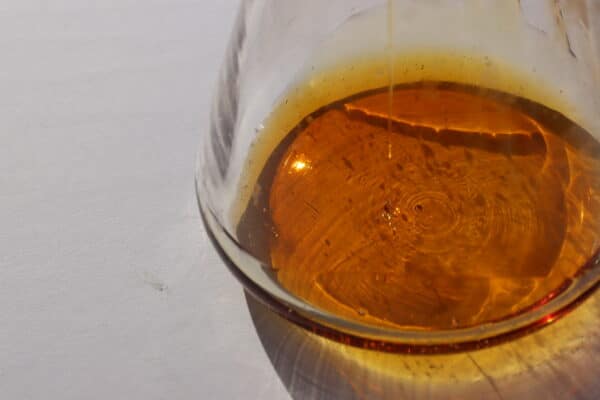
Manufacturers must derive H4CBD from a natural hemp cannabinoid, making H4CBD distillate inherently synthetic. Even though its dominant cannabinoid is synthetic, H4CBD distillate still looks like you’d expect a distillate to look — honey-colored, viscous, and translucent.

10. What is the difference between CBD and H4CBD?

The primary difference between CBD and H4CBD is that CBD is natural while H4CBD is not. The dissimilarities don’t end there. It’s also an indisputable fact that we know far less about H4CBD than we do about conventional CBD — though there’s still plenty left to learn about both cannabinoids.

11. H4CBD gummies vs. H4CBD tinctures

Out of the two products, H4CBD tinctures are more likely to be simple and natural while H4CBD gummies might taste better or be easier to use. All new cannabinoids go through a transitional, scale-up period before many high-quality product sources become readily available.

Therefore, thoroughly research how manufacturers produce H4CBD gummies or tinctures before making any commitment. The H4CBD market is just beginning to emerge. It may take some time until competition and production systems drive product quality up to standard acceptable levels.

References

  1. Ben-Shabat, S., Hanuš, L. O., Katzavian, G., & Gallily, R. (2006, January 6). New Cannabidiol Derivatives: Synthesis, Binding to Cannabinoid Receptor, and Evaluation of Their Antiinflammatory Activity. Journal of Medicinal Chemistry, 49(3), 1113–1117. Retrieved from https://pubs.acs.org/doi/10.1021/jm050709m
  2. Morales, P., Reggio, P. H., & Jagerovic, N. (2017, June 28). An Overview on Medicinal Chemistry of Synthetic and Natural Derivatives of Cannabidiol. Frontiers in Pharmacology, 8. Retrieved from https://www.frontiersin.org/articles/10.3389/fphar.2017.00422/full
  3. Jacob, A., & Todd, A. R. (1940). 119. Cannabis indica. Part II. Isolation of cannabidiol from Egyptian hashish. Observations on the structure of cannabinol. Journal of the Chemical Society (Resumed), 649. Retrieved from https://pubs.rsc.org/en/content/articlelanding/1940/JR/jr9400000649
  4. Laprairie, R. B., Bagher, A. M., Kelly, M. E. M., & Denovan-Wright, E. M. (2015, October). Cannabidiol is a negative allosteric modulator of the cannabinoid CB1 receptor. British Journal of Pharmacology, 172(20), 4790–4805. Retrieved from https://bpspubs.onlinelibrary.wiley.com/doi/10.1111/bph.13250

What Is Cannabimovone (CBM)?

Cannabis has been cultivated and revered for thousands of years. Nonetheless, it is only during the last century that science has begun to unveil its true complexity. As recently as the mid-20th century, our misconceptions, regarding the chemical structure of cannabis components, remained considerable. In fact, it’s only in the last few decades that the taxonomy of the hemp plant and its derivatives has become truly comprehensive.

For instance, scientists only recently started looking closely at rare, minor cannabinoids, like cannabimovone (CBM). Only present in rare varieties of hemp and in very small quantities, CBM has been incredibly hard to obtain. This is frustrating because CBM may offer exciting benefits for certain medical conditions.

Now, for the first time ever, CBM products are finally appearing on the market. What does CBM do and why should you use it? Find the answers in this thorough introduction to cannabimovone.

When was CBM discovered?

Cananbimovone was discovered by accident in 2010¹ in a regional Italian hemp variant, called Carmagnola. Later, another Italian research team discovered the “super-cannabinoids” THCP and CBDP² in Carmagnola, fueling further interest in this peculiar hemp strain.

In 2020, a team led by Fabio Arturo Iannotti submitted a study to Molecules³ that would gain international attention for CBM. In this publication, the research team found evidence that CBM may act as a PPARγ(Peroxisome proliferator-activated receptor gamma or PPARG) agonist – a type of therapeutic compound that stimulates PPARγ and is currently used to treat metabolic syndrome. If further research supports this evidence, CBM could prove useful in metabolic regulation and have a massive impact on the worldwide cannabinoid economy.

Is CBM a natural cannabinoid?

Yes, CBM is a natural cannabinoid, found in certain strains of Cannabis sativa. In nature, however, cannabimovone is available in quantities too small to be economically extracted. As a result, this cannabinoid is usually synthetically derived from CBD rather than extracted from hemp.

Where does CBM come from?

CBM occurs in some varieties of hemp, aside from Carmagnola. Most CBM is synthesized from CBD, making it similar to many other cannabinoids, like CBN and CBG. Because it has been synthesized, CBM is usually offered in its isolated form. However, it can be added to broad-spectrum or full-spectrum hemp extracts as well.

What does CBM do?

CBM is a very new cannabinoid, so it’s hard to speculate on all its potential effects. Based on initial evidence, it appears CBM should be investigated in more detail for its possible benefits against diabetes, metabolic disorders, and other conditions caused by faulty metabolic signaling.⁴

Scientists have been investigating the potential benefits of cannabinoids for conditions ameliorated by increased PPAR signaling since at least 2007⁴. Research into this subject has accumulated over the years and will likely accelerate in the wake of recent discoveries, regarding CBM.

How does CBM work?

The regulation of energy metabolism in the human body is heavily influenced by two receptors, located in the nucleus of all our cells: PPARα (PPAR-alpha) and PPARγ (PPAR-gamma). PPARα stimulates genes that increase fat metabolism, modulate insulin secretion, and decrease vascular inflammation. In essence, it helps to prevent diabetes and the development of “fatty liver disease.” PPARγ complements PPARα by regulating the formation and metabolism of fat cells, increasing sensitivity to insulin, and enhancing glucose metabolism.  Together, these molecules help to regulate the body’s energy budget.

Poor insulin regulation leads to metabolic disorders, like diabetes and liver steatosis. By activating PPARγ receptors, cannabinoids like⁵ CBM might both promote proper cell growth and hormonal regulation, helping people with diabetes and similar conditions. However, research on the potential benefits of CBM is still ongoing.

What are the benefits of CBM?

As a PPARγ agonist, CBM is ideal since it can be made abundantly and inexpensively from CBD. Its benign pharmacological activity may provide an improved side effect profile compared to other potent PPARγ agonists.

Scientists have known about and targeted the body’s PPAR receptors in attempts to pharmacologically treat diabetes and other metabolic disorders over the years. There are even a few FDA-approved PPARγ agonist drugs on the market. However, consumers have shied away from this drug class due to certain unpleasant side effects (e.g., weight gain and fluid retention).

Cannabinoids are generally known as safe, making CBM a worthy target of research. If proven to be a safer source of PPARγ agonist activity than conventional pharmaceuticals, CBM could become a hotly desired commodity within the nutraceutical sector.

Is CBM legal?

Under the 2018 Farm Bill, cannabinoids other than delta 9 THC are generally considered “industrial hemp.” We are not aware of any efforts on the state or federal level to regulate CBM specifically. So, in the absence of specific legal prohibitions, it is reasonable to assume that CBM has roughly the same legal status as similar hemp-derived cannabinoids.

Can you buy CBM online?

Yes, it is now becoming possible to buy CBM online for the first time. Producers have recently learned how to produce this ultra-rare cannabinoid in scalable, commercial quantities. They are ready to put CBM products on the shelves, just as consumers are discovering the potential benefits of this cannabinoid.

At present, CBM is usually only available online in bulk quantities. A variety of different hemp extract types, containing CBM, may be available. Isolated CBM may also be combined and sold with broad-spectrum or full-spectrum hemp extracts, containing other cannabinoids.

Summary: Should you try CBM?

More and more, cannabis is amazing researchers with its vast list of potential cannabinoid-derived benefits. Each cannabinoid contributes its own unique health-promoting effects that can work together with others to alleviate certain ailments.

Consumers are starting to view CBM as yet another strand in that web of cannabinoid wellness. While CBM is still too new for us to make any firm statements about it, it’s also true that what we know about cannabis already tells us that any future discoveries, regarding CBM, are unlikely to be disappointing.

Already, cannabinoids have revolutionized fields of medicine in ways nobody ever expected. CBM could well be the next chapter in this saga of natural hemp wellness. It’s now time to explore everything this new and promising cannabinoid can do.

CBM FAQs

Learn more about CBM, its benefits, and what it can do in the FAQ section below:

1. Is CBM the same as CBN?

No, despite being known by acronyms with final letters that are right next to each other in the alphabet, CBM and CBN are, in fact, quite different. Cannabinol (CBN) is a natural metabolite of THC, but it isn’t a primary product of the cannabis flower.

CBM, however, is its very own, naturally-produced cannabinoid — it isn’t a metabolite of anything. CBN and CBM also appear to have very different effects, though there’s still a lot we need to learn about both cannabinoids.

2. Is cannabimovone related to cannabicitran (CBT)?

No, cannabimovone and cannabicitran aren’t directly related. However, both substances are considered to be rare, minor cannabinoids. Discovered in the 1970s, CBT has been on the radar of international researchers for much longer than CBM. Even so, we still know just about as little about CBT as we do about CBM, CBE, or any of the other minor cannabinoids that are now becoming available online.

3. Is cannabimovone an HHC metabolite?

No, cannabimovone is not related to HHC or any other cannabinoids in the THC family. Instead, cannabimovone is structurally similar to CBD, although these two cannabinoids are not identical. Like CBD, CBM appears to serve a unique purpose that separates it from other hemp compounds.

4. Does CBM affect your cannabinoid receptors?

No, initial research into CBM does not indicate that this cannabinoid has any significant impact on your conventional CB1 and CB2 cannabinoid receptors. Instead, this cannabinoid appears to primarily target your PPARγ receptors, which are critically important for combating insulin resistance.

5. What kinds of CBM products are there?

Right now, cannabimovone products are usually only available online in bulk quantities. From select producers, you can buy CBM either in bulk ingredient form or preformulated into finished products, like tinctures, capsules, and gummies. The sky’s the limit when it comes to this relatively untapped component of the online hemp market.

6. Can you use CBM with other cannabinoids?

Yes, there appears to be no reason to avoid using CBM in conjunction with other cannabinoids. Generally, cannabinoids are observed to synergize with each other, so using CBM with other cannabinoids may be beneficial. Nonetheless, keep in mind that we still know very little about the overall safety of CBM.

7. Is CBM the same as HHC?

No, cannabimovone is a different cannabinoid entirely from hexahydrocannabinol, also known as HHC. The differences between these two compounds are many:

– HHC is easy to create and already abundant

– CBM is practically unheard of and almost nonexistent

– HHC has potent intoxicating properties

– CBM does not appear to be intoxicating at all

So many cannabinoids have recently become popular that it can be a challenge to tell them apart. Learning the differences between the new cannabinoids that have flooded the market is key to choosing the right ones for your needs.

8. Is cannabimovone synthetic?

No, cannabimovone is not inherently synthetic — it naturally occurs in certain strains of  Cannabis sativa—so it’s a natural compound. Since CBM is only available in very small quantities in nature,  all of the CBM currently available online has been synthesized from another cannabinoid. Chemically modifying one cannabinoid to produce another isn’t usually dangerous, but it does make the resulting substance, technically, synthetic.

9. Where can I buy CBM?

At present, CBM is only available for research purposes from large pharmaceutical manufacturers. The type of CBM sold by these manufacturers is chemically isolated and not suitable for consumption. Expect the world’s first CBM products to enter the market around the same time that shoppers start becoming aware of the benefits of this obscure cannabinoid.

10. Is CBM safe?

There is no evidence, indicating that CBM poses any particular dangers to the average user. Most cannabinoids, aside from THC, have been determined to have very little if any significant side effects. It’s very unlikely that CBM will break this trend. Be sure to only use CBM products that are designed for human consumption to avoid ingesting laboratory contaminants.

Sources

  1. 1. Taglialatela-Scafati, O., Pagani, A., Scala, F., de Petrocellis, L., di Marzo, V., Grassi, G., & Appendino, G. (2010). Cannabimovone, a cannabinoid with a rearranged terpenoid skeleton from hemp. European Journal of Organic Chemistry, (11), 2067–2072. Retrieved from https://chemistry-europe.onlinelibrary.wiley.com/doi/10.1002/ejoc.200901464
  2. 2. Citti, C., Linciano, P., Russo, F., Luongo, L., Iannotta, M., Maione, S., Laganà, A., Capriotti, A. L., Forni, F., Vandelli, M. A., Gigli, G., & Cannazza, G. (2019). A novel phytocannabinoid isolated from Cannabis sativa L. with an in vivo cannabimimetic activity higher than Δ9-tetrahydrocannabinol: Δ9-Tetrahydrocannabiphorol. Scientific Reports, 9(1). Retrieved from https://www.nature.com/articles/s41598-019-56785-1
  3. 3. Iannotti, F. A., de Maio, F., Panza, E., Appendino, G., Taglialatela-Scafati, O., de Petrocellis, L., Amodeo, P., & Vitale, R. M. (2020). Identification and characterization of Cannabimovone, a cannabinoid from Cannabis sativa, as a novel PPARγ agonist via a combined computational and functional study. Molecules, 25(5), 1119. Retrieved from https://www.mdpi.com/1420-3049/25/5/1119
  4. 4. Sun, Y., & Bennett, A. (2007). Cannabinoids: A new group of agonists of PPARs. PPAR Research. Retrieved from https://www.hindawi.com/journals/ppar/2007/023513/
  5. 5. O’Sullivan, S. E. (2016). An update on PPAR activation by cannabinoids. British journal of pharmacology173(12), 1899-1910. Retrieved from https://www.ncbi.nlm.nih.gov/pmc/articles/PMC4882496/

What Is CBE (Cannabielsoin)?

Cannabinoids are complex substances that come in many different forms. For research purposes, it’s important to label and categorize each and every unique substance found in Cannabis sativa. For average consumers, though, the arcane mysteries like the differences between CBE and CBD aren’t as relevant — even if they are fascinating.

CBE is a cannabinoid that’s just now appearing on the market in consumer-grade products. What does CBE do, and what role might it play in the future of the hemp industry? Find out in this guide.

When was CBE discovered?

Cannabielsoin (CBE) was discovered in 1973¹ as part of ongoing efforts to firmly establish the endlessly complex pharmacology of cannabis.1 It was originally stumbled upon as part of an experiment that involved heating cannabis extracts in oxygen-free environments, and it took until 1991² for cannabielsoin to be recognized as a metabolite of cannabidiol (CBD).

Chemical compounds rarely stay in the same form after they enter your body. Instead, they usually transform into substances called metabolites after encountering native tissues. CBE is simply a natural step along the way as the CBD you ingest in hemp products is processed by your body. 

Is CBE a natural cannabinoid?

Yes, CBE is considered to be a natural cannabinoid since it is not produced using synthetic means. However, CBE only naturally occurs when CBD is exposed to enzymes in your body, so technically, CBE is not naturally occurring in cannabis.

This seemingly unimportant fact has one significant impact: CBE can only be made outside the human body by exposing CBD to synthetic approximations of digestive enzymes. As a result, any CBE you find for sale online is certain to be synthetic at least to this degree.

Where does CBE come from?

CBE comes into existence when digestive enzymes transform CBD inside the human body. You cannot derive CBE directly from cannabis and hemp, and to be sold for research or consumption purposes, it must be enzymatically converted. In some cases, synthetic forms of human liver enzymes are used, but it has also been demonstrated that CBE can be converted from CBD using cannabis suspension cultures³.

What does CBE do?

CBE is generally believed to offer effects that are very similar to the effects of CBD. A paucity of scientific evidence exists regarding the effects of CBE, however, and since products containing consumer-grade CBE are very new to the market, there isn’t much anecdotal evidence either.

Based on the simple fact that CBE is not considerably structurally different from CBD, though, we can expect the two cannabinoids to behave similarly in the human body. If — as has been the case with CBDa and other alternative forms of CBD — CBE is discovered to offer unique benefits, this CBD derivative may become desirable for specific therapeutic applications.

How does CBE work?

Given the fact that we still know very little about what CBE even is, it’s hard to speculate regarding the potential mechanisms of action this CBD derivative might use in the human body. Based on the assumption that CBE behaves similarly to CBD, though, it’s reasonable to expect that this cannabinoid might interact with your 5-HT⁴ and TRP⁵ neuroreceptors, which are the primary neurological targets of CBD.

What are the benefits of CBE?

Even though we still know so little about CBE, it’s still possible to speculate on the potential therapeutic benefits of this compound. CBE also has certain undeniable practical benefits.

First, CBE’s chemical closeness to CBD gives us a significant leg up when researching this cannabinoid. So much has already been learned about CBD that studying CBE doesn’t need to involve reinventing the wheel.

CBE is also believed to be non-intoxicating, and there’s no reason to believe it is unsafe. 

Like CBD, CBE may end up being researched for its usefulness against anxiety, depression, pain, epilepsy, and other conditions. For that to happen, though, CBE must first be demonstrated to have some amount of practical utility.

Is CBE legal?

There are no laws or regulations specifically targeting CBE, so this cannabinoid is generally considered to be a hemp substance under the 2018 Farm Bill. The DEA has clarified⁶, however, that it views modified cannabinoids like CBE differently than unmodified, natural cannabinoids found in Cannabis sativa. Theoretically, therefore, CBE might be regulated differently from CBD.

Can you buy CBE online?

Yes, the world’s first consumer-grade CBE products are beginning to appear online. That’s right: CBE will soon be available in the same types of tinctures, gummies, and capsules that we’re all accustomed to containing CBD, CBG, and other cannabinoids that are abundant in cannabis.

Since CBE was still only available from bulk chemical suppliers not so long ago, it pays to be cautious with CBE products you find on the internet. Prefer labs with abundant certifications that perform thorough in-house contaminant testing.

The bottom line: Is CBE worth trying?

At this point, the question isn’t whether CBE is worth trying but rather if it’s even possible to try CBE in the first place. With the only types of CBE products available online consisting of overpriced isolate extracts mostly used in university research labs, you’ll be hard pressed to find opportunities to try CBE even if you’d like to.

Think about it this way, though: You already use CBE every time you use CBD. Never forget that CBE is, first and foremost, a metabolite that CBD turns into as it is processed by your body. At a certain point, every CBD molecule you ingest becomes CBE, and then it continues on throughout your body in its new form.

That’s part of the reason CBE hasn’t become more popular. There usually isn’t much of a market for metabolites that transform right after ingestion unless an unexpected application can be found. CBE could well be the next wonder cure for something, but for exactly what, we don’t yet know.  

CBE FAQs

Learn more about CBE from the answers to these frequently asked questions:

1. How many different cannabinoids are there?

Estimates indicate that well over 100 different cannabinoids have been discovered. Some of these cannabinoids (like CBD) naturally occur in cannabis and hemp, but others only appear after they interact with the human body.

Most cannabinoids, in fact, are simply iterations of a core group of around 10 substances. For example, CBD has two alternate forms: CBDa, a precursor substance, and CBDV, an entirely separate but very similar cannabinoid.

Then, CBDV also has its own precursor, CBDVa. You can see how things get complicated quickly. It might be quite some time until we establish exactly how many cannabinoids there are.

2. Is cannabielsoin the same thing as cannabifuran?

No, even though their acronyms are deceptively similar, cannabielsoin (CBE) and cannabifuran (CBF)⁷ aren’t at all related. CBF is believed to be a derivative of THC and have intoxicating properties, but we know even less about CBF at this point than we do about CBE. For instance, it’s not even clear whether CBF naturally occurs in cannabis or if it can only be synthesized.

3. Does CBE come from CBD?

Yes, CBE is a derivative of CBD. This cannabinoid is derived from CBD when it is exposed to liver enzymes after ingestion. Based on the limited research that has been conducted into CBE so far, this cannabinoid appears to essentially behave as a “watered-down” form of CBD that has already been partially processed by your body.

4. Is there CBE in CBD products?

No, CBD products do not contain CBE since this cannabinoid does not naturally occur in cannabis or hemp. Instead, CBE naturally occurs in the human body when CBD is exposed to digestive enzymes. As a result, you could say that CBD products are filled to the brim with “potential” CBE molecules, but they don’t contain any CBE at all until after you ingest them.

5. Is there a CBM cannabinoid?

Yes, there is a cannabinoid known as CBM or cannabimovone. Only just discovered in 2010, CBM is one of the newest and most mysterious cannabinoids, but initial research⁸ has been conducted to determine the usefulness of CBM for conditions as varied as eating disorders and diabetes.

6. What is the difference between CBD and CBE?

The primary differences between CBD and CBE are their rarity and the amount of research that has been conducted on each cannabinoid, which ultimately are related variables. The reason CBE has received hardly any research attention is that it is very rare.

CBD, on the other hand, has been researched intently for multiple decades due to its abundance, and it now composes a major portion of the global hemp and cannabis industry. In terms of effects, it’s hard to know exactly how CBD and CBE compare since so little is known about CBE in general.

7. Where can I buy bulk CBE distillate?

At this point, we aren’t aware of any safe or reputable sources of CBE distillate. This cannabinoid is too new and little-known to be produced in great quantities, and the producers who make it do so only for research purposes. 

The type of CBE you can buy online comes in isolate, not distillate form, and it is not suited for human consumption. It will likely be a few years before reputable sources of CBE appear on the market.

8. Is cannabielsoin psychoactive?

There is no reason to believe CBE is intoxicating, and its chemical structure resembles that of a non-intoxicating cannabinoid. Every cannabinoid so-far discovered, however, is psychoactive to some degree.

Even CBD is psychoactive — it just doesn’t cause the type of intoxicating psychoactivity associated with THC. Hopefully CBE is determined to be psychoactive in some ways just as long as it stays the case that this cannabinoid is judged non-intoxicating.

9. What are the effects of cannabielsoin?

We don’t know enough about CBE to say much about its effects. All we know for certain is that anecdotal reports indicate that this cannabinoid feels a lot like CBD.

Sources

  1. 1. Küppers, F. J. E. M., Lousberg, R. C., Bercht, C. A. L., Salemink, C. A., Terlouw, J. K., Heerma, W., & Laven, A. (1973). Cannabis—VIII: pyrolysis of Cannabidiol. Structure elucidation of the main pyrolytic product. Tetrahedron, 29(18), 2797-2802. Retrieved from https://www.sciencedirect.com/science/article/abs/pii/S0040402001934040
  2. 2. Yamamoto, I., Gohda, H., Narimatsu, S., Watanabe, K., & Yoshimura, H. (1991). Cannabielsoin as a new metabolite of cannabidiol in mammals. Pharmacology Biochemistry and Behavior, 40(3), 541-546. Retrieved from https://www.sciencedirect.com/science/article/abs/pii/009130579190360E
  3. 3. Hartsel, S., Loh, W., & Robertson, L. (1983). Biotransformation of Cannabidiol to Cannabielsoin by Suspension Cultures of Cannabis sativa and Saccharum officinarum. Planta Medica, 48(05), 17–19. Retrieved from https://www.thieme-connect.com/products/ejournals/abstract/10.1055/s-2007-969870
  4. 4. Martínez-Aguirre, C., Carmona-Cruz, F., Velasco, A. L., Velasco, F., Aguado-Carrillo, G., Cuéllar-Herrera, M., & Rocha, L. (2020). Cannabidiol Acts at 5-HT1A Receptors in the Human Brain: Relevance for Treating Temporal Lobe Epilepsy. Frontiers in Behavioral Neuroscience, 14. Retrieved from https://www.frontiersin.org/articles/10.3389/fnbeh.2020.611278/full
  5. 5. Muller, C., & Reggio, P. H. (2020). An Analysis of the Putative CBD Binding Site in the Ionotropic Cannabinoid Receptors. Frontiers in Cellular Neuroscience, 14. Retrieved from https://www.frontiersin.org/articles/10.3389/fncel.2020.615811/full
  6. 6. Jaeger, K. (2021, November 4). DEA Emboldens Delta-8 Hemp Businesses By Signaling That The Cannabinoid Is Federally Legal. Marijuana Moment. Retrieved from https://www.marijuanamoment.net/dea-emboldens-delta-8-hemp-businesses-by-signaling-that-the-cannabinoid-is-federally-legal/
  7. 7. Novák, J., & Salemink, C. A. (1983). Cannabis. Part 28. A new route to the synthesis of cannabifuran. Journal of the Chemical Society, Perkin Transactions 1, 2873-2877. Retrieved from https://pubs.rsc.org/en/content/articlehtml/1983/p1/p19830002873
  8. 8. Iannotti, F. A., De Maio, F., Panza, E., Appendino, G., Taglialatela-Scafati, O., De Petrocellis, L., … & Vitale, R. M. (2020). Identification and characterization of cannabimovone, a cannabinoid from Cannabis sativa, as a novel PPARγ agonist via a combined computational and functional study. Molecules, 25(5), 1119. Retrieved from https://www.mdpi.com/1420-3049/25/5/1119/htm

Best Cannabinoids to Use in Cosmetics

The cannabinoid market is nothing like it was a decade ago. In 2012, the very first CBD products started to become available, and it wasn’t until 2018 that the CBD industry received an official nod from the US federal government.

On the other hand, the cosmetics industry has stayed relatively stable over the last 10 years. It hasn’t grown considerably, but it hasn’t declined at all. Interest in cosmetic products is the same as it always has been, but the cosmetics people are using are very different than they once were.

In this guide, learn the current size of the US cosmetics industry and the exact ways it has evolved in recent years. Then, discover the best hemp cannabinoids currently on the market that you can add to cosmetic products.

What is the current size of the US cosmetics industry?

According to a recent report from market analytics firm IBISWorld¹, the US cosmetics market is expected to be valued at just over $49 billion in 2022, a 1.5% increase over 2021’s total. As a result, cosmetics is among the larger consumer products industries, but it doesn’t show much room for overall growth.

Has the cosmetics market grown in recent years?

No, the US cosmetics market has not grown considerably over the last decade. The best year for cosmetics between 2012 and 2022 was 2015 at $55.4bn, and the worst year was 2020 at $44.7bn. As you can see, the cosmetics market has floated around the $50 billion annual revenue mark for quite some time.

How has the cosmetics market changed over the last decade?

The cosmetics market may not have gotten any larger or smaller over the last 10 years, but that doesn’t mean it hasn’t changed. Considerable shake-ups have taken place under the hood of the cosmetics industry, and outdated products are being phased out while newer ingredients are being added to the market.

Overall market size has stayed steady

If you look at market conditions closely, it’s surprising that the cosmetics industry hasn’t diminished from its stable $50 billion yearly revenue. During the last decade, the profound dangers of dozens of cosmetic substances² have come to light, and thousands of products have been taken off the shelves permanently.

To make up for the parabens, PFAs, methylene glycol, and other substances that are thankfully no longer present in cosmetics, new ingredients must have emerged within the cosmetics market or else the entire industry would have collapsed. As the raw data suggest, cosmetics manufacturers have ditched synthetic toxins and have started embracing natural healing substances instead.

Natural substances are on the rise

Whether it’s aloe vera, vitamin C, hyaluronic acid, essential oils, or even CBD, cosmetic products are now packed with natural substances believed to be even more effective than the dangerous ingredients they in some cases replaced. Access to the internet and its treasure trove of publicly accessible medical studies has given consumers the tools they need to make their own health and beauty decisions, and they’re starting to recognize the incredible potential present in nature’s unaltered bounty.

The population is aging

The US Census bureau indicates that by 2060, more than a quarter of Americans will be over 65³, an unprecedented “aging-out” of the US population that will have a profound impact on the cosmetics market. Interest in anti-aging compounds that don’t have any side effects will rise, and as budgets become constrained to Medicare and Medicaid, affordability will also be a prime concern.

Can you use cannabinoids in cosmetics?

Yes, you can certainly use cannabinoids in cosmetics, and the practice has become quite widespread. Cannabinoids that are commonly used in cosmetics include CBD, CBG, CBC, and CBN. The latter cannabinoid isn’t used all that commonly, but CBD, CBG, and CBC have all been investigated for their usefulness against conditions commonly treated topically.

What do cannabinoids do in cosmetics?

Consumers don’t just want cosmetics that make them look better anymore. They want cosmetics that actually make them better — in other words, cosmetics with healing properties. That’s where cannabinoids come into the picture.

Most substances present in Cannabis sativa flowers are believed to have at least some anti-inflammatory or antioxidant utility. Since oxidative stress is now widely known to be the primary cause of skin aging, antioxidants have become incredibly popular in cosmetic products over recent years. Anti-inflammatory substances, in addition, can often directly reduce the redness of skin conditions like acne, eczema, or rosacea.

Benefits of adding cannabinoids to cosmetics

As far as cosmetic ingredients go, cannabinoids are practically ideal. Cannabinoid extracts are easy to add to many different cosmetic formulations including lip balms, serums, and moisturizers, and cannabinoids are believed to have an overall positive effect on your skin health without causing considerable side effects.

“CBD” has become a buzzword within the online natural health community, so the inclusion of this cannabinoid often adds value to cosmetic products in and of itself. This effect has expanded recently to also apply to CBG and CBC, which consumers are starting to recognize as potentially being just as, or potentially even more useful in cosmetics as CBD.

What are the best cannabinoids to add to cosmetics?

If you don’t know which cannabinoids to include in your products, learn more about the most popular options below:

1. CBD

The most popular and well-known hemp cannabinoid by far, cannabidiol (CBD) has been investigated extensively⁴ for its potential antioxidant and anti-inflammatory benefits, and consumers generally believe it is at least somewhat useful in this regard. CBD should not have any noticeable psychoactive effects when applied topically in the form of a cosmetic, but it will provide benefits at the site of application for 3-6 hours.

2. CBG

Cannabigerol (CBG) has received a lot of attention recently due to research into its usefulness for bacterial infections⁵. Resultantly, CBG has become a red-hot popular substance in hand creams and other cosmetics designed to prevent transmissible illness. CBG is also rapidly gaining popularity in anti-acne topicals.

3. CBC

Cannabichromene (CBC) is still considered to be a rare cannabinoid, but consumers are catching onto research into this cannabinoid’s activity at your TRP receptors⁶, the primary neuroreceptors involved in inflammation. Manufacturers are accommodating this trend by infusing anti-inflammatory cosmetics with CBC.

4. CBN

The THC metabolite cannabinol (CBN) is currently the subject of a clinical trial⁷ into its potential wound-healing attributes. At present, CBN remains very rare in topical products, but hemp brands would be wise to watch this emerging space within the cannabinoid topical industry closely.

5. CBDa, CBGa, CBDV, etc.

CBD, CBG, CBC, and CBN are hardly the limit of the cannabinoids present in Cannabis sativa. Most cannabinoids, for instance, also have carboxylic acid forms with unique properties. CBDa isn’t the same chemically as CBD, for instance, and CBDV is another unique compound in itself. Over the years, the cannabinoid cosmetic industry will widen to accommodate even more of these natural healing substances.

Which cannabinoid-infused cosmetics products are the most popular?

Not sure which product types are best for infusing CBD, CBG, or CBC into? Here are the most popular types of cannabinoid cosmetics currently on the market.

Lip balms

Simple, affordable, and easy to produce, cannabinoid lip balms have been on the market longer than practically any other type of cannabinoid cosmetic. In this day and age, it can be a struggle to make a cannabinoid lip balm product stand out, but the addition of new cannabinoids to your ingredient pool allows new opportunities for diversification.

Moisturizers

It’s relatively easy to add CBD, CBG, or CBC to moisturizers, and there’s a general consensus among consumers that these substances improve moisturization via the reduction of inflammation and oxidative stress. Cannabinoids are common in both face moisturizers and products designed for your body and hands.

Serums

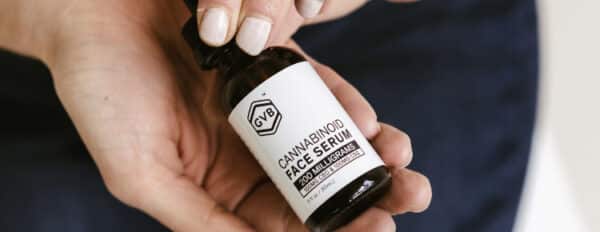
Relatively new to the market are serums: light, water-based cosmetics that you usually apply to your face. Designed to deliver beneficial substances deep into your skin with as few ingredients as possible, serums can be marketed at high prices as long as they feature formulations that are deservingly high-quality. Consumers generally view the inclusion of cannabinoids in serums as a value addition.

Body lotions and oils

Cannabinoid body lotions and oils are essentially no different than cannabinoid tinctures, which makes them affordable and easy to make. Used for massage, moisturization, and other purposes, adding cannabinoids to body oils is believed to make these products more therapeutic.

How to add cannabinoids to your cosmetics line

Using cannabinoids in cosmetics is no longer a risky move. Consumers have had enough time to accept the benefits of these essentially risk-free compounds, and demand for cannabinoid-infused cosmetics continues to rise.

Ten years from now, it’s likely that the US cosmetics market will be roughly the same overall size that it is today. Cannabinoid-infused cosmetics will take up a much larger share of the market, however, and every new cannabinoid cosmetic product launch will serve as a stepping stone along the way.

Pick the right cannabinoid or cannabinoids, choose a formulation type, and find a manufacturer. Within no time, you’ll have claimed your place within one of the biggest cosmetics industry shake-ups of the century.

Cannabinoids & cosmetics FAQs

Which cannabinoid is best for skin?

So far, it’s looking like CBG will shape up to be the superstar of the cannabinoid skincare industry. There’s a lot we don’t know about all of the cannabinoids present in hemp, however, so it’s too soon to decide if one cannabinoid is truly better than all the rest at keeping your skin healthy.

Are cannabinoids absorbed through the skin?

Yes, cannabinoids are naturally absorbed through the skin, but they usually must be accompanied by some form of carrier to achieve ideal penetration. As a result, water-based cannabinoid topicals are often preferred over oil-based equivalents since using a water base allows topicals to absorb with greater efficacy — even if they contain oil-based ingredients.

Does CBD work in skincare?

CBD has not been approved as an ingredient in any skincare products, so we can’t provide any official data regarding its usefulness as a skincare substance. What we can say, however, is that CBD users who apply this cannabinoid to their skin often report incredible results. According to users, these improvements could never have been accomplished with non-cannabinoid products.

Sources

  1. 1. IBISWorld – Industry Market Research, Reports, and Statistics. (2022). IBISWorld. https://www.ibisworld.com/industry-statistics/market-size/cosmetic-beauty-products-manufacturing-united-states/
  2. 2. Zanolli, L. (2019, July 2). Pretty hurts: are chemicals in beauty products making us ill? The Guardian. https://www.theguardian.com/us-news/2019/may/23/are-chemicals-in-beauty-products-making-us-ill
  3. 3. Nasser, H. E. (2021, October 9). The U.S. Joins Other Countries With Large Aging Populations. Census.Gov. https://www.census.gov/library/stories/2018/03/graying-america.html
  4. 4. Atalay, S., Jarocka-Karpowicz, I., & Skrzydlewska, E. (2019). Antioxidative and Anti-Inflammatory Properties of Cannabidiol. Antioxidants, 9(1), 21. https://doi.org/10.3390/antiox9010021
  5. 5. Aqawi, M., Sionov, R. V., Gallily, R., Friedman, M., & Steinberg, D. (2021). Anti-Bacterial Properties of Cannabigerol Toward Streptococcus mutans. Frontiers in Microbiology, 12. https://doi.org/10.3389/fmicb.2021.656471
  6. 6. Izzo, A. A., Capasso, R., Aviello, G., Borrelli, F., Romano, B., Piscitelli, F., Gallo, L., Capasso, F., Orlando, P., & di Marzo, V. (2012). Inhibitory effect of cannabichromene, a major non-psychotropic cannabinoid extracted from Cannabis sativa, on inflammation-induced hypermotility in mice. British Journal of Pharmacology, 166(4), 1444–1460. https://doi.org/10.1111/j.1476-5381.2012.01879.x
  7. 7. INM-755 (Cannabinol) Cream for Treatment of Epidermolysis Bullosa. (2022). US National Library of Medicine. https://clinicaltrials.gov/ct2/show/NCT04908215

Cannabinoid Beauty Products | Are Women Willing to Try Them?

Using cannabinoids to improve the health of your skin is all the rage. In 2019, Grandview Research¹ valued the CBD skincare market at $698 million with an expectation that it will grow at a rate of more than 27% year over year until 2025. The previous year, The Benchmarking Company analyzed women’s willingness to try CBD skincare and their preferred product types. Learn the results of this analysis and what they entail for the future of the cannabinoid beauty product industry.

New Market Data from 2024

The cannabinoid beauty products market has experienced significant growth in recent years, with projections indicating a continued upward trend. In 2021, the market was valued at approximately USD 5.45 billion and is expected to reach USD 8.86 billion by 2030, growing at a compound annual growth rate (CAGR) of 5.5% during the forecast period.

More recent analyses suggest even more robust growth. The global cannabis-infused beauty products market was estimated at around USD 35.34 billion in 2023 and is projected to grow to approximately USD 207.24 billion by 2032, with a CAGR of roughly 21.84% between 2024 and 2032.

Focusing specifically on CBD skincare, the global market size was estimated at USD 2.49 billion in 2024 and is projected to grow at a CAGR of 21.4% from 2025 to 2030.

These figures highlight rising consumer interest in cannabinoid beauty products, fueled by awareness of benefits and expanding cannabis legalization.

What are cannabinoid-infused beauty products?

Simply put, cannabinoid-infused beauty products contain non-intoxicating hemp cannabinoids. The most common cannabinoids in beauty products are CBD, CBG, and CBN, added to various skincare and beauty items.

What are the benefits of cannabinoid-infused beauty products?

Cannabinoids like CBD have been researched for their anti-inflammatory and antioxidative effects². Most substances in hemp appear to have at least some antioxidant potential, and reducing oxidative stress is one of the main ways that beauty products improve the appearance of skin and prevent it from aging.

How many women are aware of cannabinoid-infused beauty products?

According to TBC’s report, 64% of women were already aware of the existence of cannabinoid-infused beauty products in 2018. Considering CBD’s rise over less than a decade, it’s remarkable that most women are already familiar with cannabinoid beauty products.

How many women would be willing to try cannabinoid beauty products?

Out of the women who have not yet tried cannabinoid-infused beauty products, 72% indicated that they would be willing to give them a shot. Let’s break down the willingness of women to try cannabinoid beauty products by generation:

Percentage of Gen Z women willing to try cannabinoid beauty products

Women in Generation Z are just now starting to reach adulthood, and they’re starting to make purchasing decisions. The TBC report indicates that, as of 2018, 68% of Gen Z women were already willing to consider trying cannabinoid-infused beauty products.

Percentage of Millennial women willing to try cannabinoid beauty products

Composed entirely of adults with at least some peripheral awareness of cannabinoids, Millennial women polled at 74% likely to try cannabinoid-infused beauty products. Since Millennials are younger, though, they’re not yet as preoccupied with skin aging.

Percentage of Gen X women willing to try cannabinoid beauty products

Gen X women, familiar with modern hemp’s evolution, were 77% likely to try cannabinoid beauty products in 2018. Now, as a major part of the middle-aged demographic, they increasingly prioritize preventative anti-aging skincare.

Percentage of Boomer women willing to try cannabinoid beauty products

Women of the Baby Boom generation still vividly recall when “cannabinoid” was a buzzword linked to illegal drugs. At 60%, they’re still not quite as ready as other age groups to try cannabinoid-infused beauty products. 

How many young women have already tried cannabinoid beauty products?

Keep in mind that the above statistics pertain only to women who had not already tried cannabinoid beauty products. The Benchmarking Company found that 72% of women between the ages of 18 and 38 had already tried cannabinoid beauty products in 2018, indicating that cannabinoid-infused beauty products are remarkably widespread.

Where do women buy cannabinoid beauty products?

Even though women everywhere are using cannabinoid beauty products in droves, they massively prefer certain sources of cannabinoid beauty products to others. According to the TBC report:

  • 38% of women who use cannabinoid beauty products buy them from specialty beauty stores
  • 34% buy cannabinoid beauty products via multi-brand online retailers like Amazon
  • 27% buy directly from brand websites
  • 21% buy from conventional consumer packaged goods stores like Walmart

Why do women prefer buying cannabinoid beauty products at specialty retailers?

Women want to make sure that the cannabinoid beauty products they buy are authentic and high-quality. Twenty-four percent of women who buy cannabinoid beauty products say that concerns over authenticity are why they don’t want to buy from a retailer like Amazon.

Women who buy beauty products often stick to trusted brands or rely on relationships with specialty store clerks, preferring trusted sources over vetting numerous products online.

Once aware of cannabinoid beauty product benefits, women confidently buy from brand websites. Shoppers at major retailers like Walmart prioritize convenience but can explore better-suited options online.

How to design and market cannabinoid products for specialty beauty retailers

Wherever you intend to sell it, a cannabinoid beauty product should befit the shelves of an upscale beauty shop. These shops are where women learn about the products they want to buy, and they’ll trust a product that looks and feels upscale.

As long as it’s justified by the ingredients you use, it’s reasonable to charge a premium for cannabinoid beauty products. Women understand that cannabinoids are expensive, and they’re willing to spend considerable sums on preserving their appearance.

What are the top 5 types of cannabinoid beauty products?

Women are most interested in cannabinoid beauty products they can use to improve the overall health and youthfulness of their skin. They also find themselves in need of certain specialized products like hand creams, lip balms, and even more conventional types of hemp products. Let’s take a look at the five most popular cannabinoid beauty product types The Benchmarking Company identified in its 2018 report:

1. Body lotion

Body lotion and other all-body skincare products are the most popular types of cannabinoid beauty products available. Women using these products often believe they maintain skin youthfulness on arms, neck, thighs, or posterior, frequently applying them as body lotions.

2. Hand cream

Cannabinoid-infused creams designed to be applied only to your hands are also quite popular. Researchers have looked into the potential ability of cannabinoids to improve hydration³, which is a common reason women apply creams to their hands. 

3. Lip balm

Hydration is the primary purpose of lip balms, and cannabinoid-rich hemp extracts complement oil-based lip balm formulations perfectly. Women generally use cannabinoid-infused lip balms to improve their lip hydration or prevent aging oxidative stress.

4. Bath products

According to the TBC report, women commonly buy bath products that have been infused with cannabinoids. CBD bath bombs are one popular example, and there are also CBD bath salts and CBD bubble bath products to choose from.

5. Oils

Some women use plain-old CBD oils on their skin. Certain CBD oils are specifically formulated with skincare in mind, but it’s also reasonably common for women to use CBD tinctures intended for oral ingestion on their skin instead.

Why do women use cannabinoid beauty products?

According to the TBC report, the primary reason women use cannabinoid beauty products is because they believe hemp is a substance that is good for you. The report also indicates that Gen Z women, the youngest women using cannabinoid beauty products, are highly driven by positive customer reviews as they sift through available cannabinoid beauty products. Overall, TBC found that women generally believe cannabis has medicinal value, so they have no problem using it in skincare products that offer no potential of intoxication.

Which objections might you need to overcome?

To help hemp companies market their products to women, The Benchmarking Company investigated the most common objections women have to using cannabinoid beauty products as part of its 2018 report. Fifty-two percent of women are simply unaware of the potential benefits of using cannabinoid beauty products, and 30% are concerned about the topical safety of cannabinoids. A further 24% were simply content with the products they were already using, and 18% were concerned about potential intoxication.

Some of these objections are based on misconception, and the rest are based on lack of information. For women who simply don’t know what cannabinoids can do for their skin, education is the key. For women who are concerned about safety, certifications and lab reports are useful. Women satisfied with their routines can learn about cannabinoids’ unique topical benefits, while those worried about intoxication can be assured that CBD, CBG, and CBC are completely non-intoxicating.

Marketing cannabinoid beauty products to women: The bottom line

The cannabinoid beauty market is growing even faster than the overall cannabinoid market. Women are increasingly aware of cannabinoids’ topical benefits, with clear needs and easily addressed concerns. Given cannabinoids’ proven advantages, now is the perfect time to develop and market cannabinoid beauty products.

Cannabinoid beauty FAQ

Learn more about how cannabinoids fit into the beauty industry and the habits of female shoppers below:

What are the benefits of CBD in beauty products?

In beauty products like serums, moisturizers, and makeup, CBD is usually included as an antioxidant or anti-inflammatory compound. Driven by early research on CBD’s antioxidant potential, beauty manufacturers embrace this natural ingredient, praised for its minimal side effects. CBD is increasingly becoming an affordable ingredient as well, making it ever more ideal for beauty products.

Will CBD beauty products show up on a drug test?

No, CBD beauty products will almost never show up on a drug test since they are applied topically. Generally, the only types of CBD products that can cause a false positive on a drug test for THC are those that you internally ingest. Topically applied CBD products like beauty products do not enter the bloodstream in sufficient concentrations to pose any danger of accidental THC ingestion.

Is CBD good to put on your face?

Many users believe that CBD is very helpful when applied to your face. People with acne, rosacea, and inflammatory skin conditions praise CBD topicals, which are equally popular among those with chronic pain.

Do CBD lotions actually work?

Anecdotal evidence suggests CBD lotions are effective, with minimal chance of a placebo effect. However, their benefits rely on high-quality formulations with premium ingredients.

Sources

  1. 1. Global CBD Skin Care Market Size Report, 2020–2025. (2019). Grandview Research. https://www.grandviewresearch.com/industry-analysis/cbd-skin-care-market
  2. 2. Atalay, S., Jarocka-Karpowicz, I., & Skrzydlewska, E. (2019). Antioxidative and Anti-Inflammatory Properties of Cannabidiol. Antioxidants, 9(1), 21. https://doi.org/10.3390/antiox9010021
  3. 3. Martins, A. M., Gomes, A. L., Vilas Boas, I., Marto, J., & Ribeiro, H. M. (2022). Cannabis-Based Products for the Treatment of Skin Inflammatory Diseases: A Timely Review. Pharmaceuticals, 15(2), 210. https://doi.org/10.3390/ph15020210

A Cannabinoid Nutraceuticals Guide

For hundreds of years, people have understood pharmaceuticals as substances that improve health. Cannabinoid nutraceuticals offer the same benefits but come from natural sources like hemp instead of being lab-synthesized.

According to recent surveys, an increasing number of consumers are seeking health help from nutraceuticals, not pharmaceuticals. The nutraceutical industry is now worth tens of billions of dollars, and the popularity of nutraceuticals has synergized with an overall increase of interest in natural approaches to health.

What are nutraceuticals, exactly, and how are they changing the health industry? Find out everything you need to know about this class of natural health aids — including the details regarding their relationship with cannabinoids.

What are nutraceuticals?

Strictly speaking, a nutraceutical is a food that contains substances believed to improve your health. Nutraceuticals don’t have to come in the form of whole meals. It’s important to stipulate that nutraceuticals come from foods because pharmaceuticals usually don’t.

The term “nutraceutical” has generally evolved to encompass all naturally derived supplements believed to have health benefits. The term “bioceutical” sometimes refers to this broader group of substances.

How does the FDA define nutraceuticals?

The FDA generally uses the term “dietary supplement” instead of “nutriceutical.” While academic papers¹ insist that this federal regulatory agency acknowledges the existence of nutraceuticals, the FDA doesn’t have an official definition for them. Instead, nutraceuticals generally fall under the FDA’s definition of dietary supplements, which reads (in part): “[a] product (other than tobacco) in the form of a capsule, powder, softgel or gelcap intended to supplement the diet to enhance health.”

What is the difference between nutraceuticals and pharmaceuticals?

Nutraceuticals come from entirely natural sources, while pharmaceuticals can be created using artificial methods. The term “nutraceutical” also generally infers that a substance has nutritional value, but this isn’t always the case.

Since industry leaders started referring to natural supplements as nutraceuticals, our understanding of human health has developed quite a bit. Experts now recognize that hundreds of natural substances may offer health benefits, even without any nutritional value.

What types of nutraceuticals are there?

Nutraceuticals share the trait of being derived from natural, often food-related sources, but their similarities end there. For example, the terpene limonene is directly extracted from citrus fruits commonly used as food. Others, however, come from yeast, mushrooms, or even rocks².

Industry analysis typically divides nutraceuticals into three categories: dietary supplements, functional foods, and functional beverages. Put another way, the three main economic categories of nutraceuticals are products you swallow, products you eat, and products you drink.

Are cannabinoids nutraceuticals?

Cannabinoids are natural compounds derived from Cannabis sativa, a plant whose seeds are often used as food. As a result, cannabinoids loosely fit the definition of nutraceuticals, but the exact regulatory category cannabinoids belong in is currently a subject of considerable debate.

For personal or scientific purposes, it’s perfectly fine to consider cannabinoids nutraceuticals. Be careful how you describe cannabinoid products currently offered for sale, though, since mischaracterizing hemp products could get you in trouble³.

Are nutraceuticals popular?

Nutraceuticals have massively shot into popularity over the last few years. Market research analysis conducted in 2017 found that the US nutraceutical industry had already swelled from $58 billion to $71 billion over the previous three years, and it predicted the industry would be worth over $105 billion in 2022. Analysts believe the nutraceutical industry will reach a value of $133.39 billion by 2025.

With the nutraceutical industry set to more than double in size in just over a decade, it’s safe to say that nutraceuticals are most definitely popular and are only getting more popular with time.

What is the nutraceutical industry worth?

In 2017, analysts estimated the nutraceutical industry to be worth just over $383 billion worldwide. At the time, market analytics firms suggested that it might be worth more than $561 billion by 2023.

Based on just-released research, it appears these predictions were right on the money. In April of 2022, Zion Market Research released a report estimating that the global nutraceutical industry is now worth $449.5 billion⁴ and is expected to grow to $745.5 billion by 2028.

How fast is the nutraceutical industry growing?

It’s difficult to pinpoint the exact rate of growth the nutraceutical industry is currently undergoing, but we know one thing for sure — it’s growing fast. Driven by a rapid increase in interest in alternative medical care in Western countries, analysts project that the global nutraceutical industry will double in value from 2017 to 2028, mirroring the recent growth rates observed in the US.

The nutraceutical market in 2025

By 2025, the American nutraceutical market will be twice the size it was in 2015, and statistics indicate the same will be true for the global market as well. That means brands now emerging into the nutraceutical industry have twice the opportunity as brands that launched a decade ago, but they’re also facing a modernized industry with lots of competition. The best way to prepare for the nutraceutical market of 2025 is to launch an excellent brand today.

Nutraceuticals by product type

For the purposes of industry analysis, nutraceuticals are often broken down into the three subcategories we mentioned earlier: dietary supplements, functional foods, and functional beverages. As we learn about the growth of the nutraceutical industry, it can be useful to examine the growth of each individual subcategory:

What are dietary supplements?

Dietary supplements are generally classified as nutraceuticals that you take in the form of a tablet, capsule, or another concentrated product, not in the form of food or beverages. This is the type of nutraceutical for which the FDA has provided the clearest regulations.

What are functional foods?

Functional foods are edible products that are boosted with nutraceutical substances. Some functional foods, such as turmeric root, naturally contain the substances that make them nutraceuticals — in the case of turmeric, the potent antioxidant compound curcumin. Companies add nutraceutical substances to functional foods, creating infused edible products.

What are functional beverages?

Functional beverages are drinks that contain nutraceutical substances. People commonly consider the popular fermented drink kombucha a nutraceutical because it contains probiotics. In other cases, manufacturers infuse conventional drinks like sparkling water with cannabinoids, adaptogens, or other substances commonly regarded as nutraceuticals.

What is the fastest-growing nutraceutical product type?

In 2014’s United States, functional beverages were worth $11.2 billion, functional foods were worth 17.6 billion, and dietary supplements were worth $29.8 billion. By 2017, these subcategories had swelled to $14.8bn, $21.7bn, and $35.2bn. In 2022, functional drinks, functional foods, and dietary supplements are projected to be worth $21.7bn, $30.8bn, and $52.5bn respectively.

While dietary supplements still make up the lion’s share of the nutraceutical industry, functional drinks are actually the fastest-growing subcategory. The functional nutraceutical drink market is projected to have nearly doubled in size during the eight years between 2014 and 2022, exceeding the growth rates of other subcategories substantially.

Key takeaways

There’s a mounting trend of consumers wanting to get their health supplements from drinks. The overall benefits of staying hydrated are more well-known than ever before, and consumers are both concerned about the dangers of soft drinks and energy drinks while remaining accustomed to their sweetness and energizing benefits.

As a result, drinks designed to make you feel energized using nutraceutical substances are becoming increasingly popular. However, anti-anxiety and anti-insomnia nutraceutical drinks are just as in-demand.

Even though functional drinks represent the fastest-growing nutraceutical subcategory, this category is still the smallest overall. There may be more competition and less growth potential in dietary supplements and functional foods, but that’s still where most of the capital is invested.

The growing importance of nutraceuticals

Nutraceuticals aren’t going away. Even the verbiage surrounding this class of substances is archaic, so it’s understandable that regulatory agencies are taking a while to grapple with this facet of the natural health revolution. It’s a fact that hundreds of natural, edible substances have massive health benefits, though, leading to an enhanced focus on nutraceuticals among health-conscious consumers.

So far, projected growth rates for the nutraceutical industry have been right on track. They may, in fact, have been a bit pessimistic. Right now, the idea of a $130 billion-per-year US nutraceutical industry can sound far-fetched, but there’s a lot going for nutraceuticals.

Especially in these pandemic-impacted times, people are looking for new ways to improve their immunity or boost their overall health. The benefits of nutraceuticals speak for themselves, and they’ll start speaking even louder over the coming years.

Nutraceuticals FAQs

1. What are the basics of nutraceuticals?

In a nutshell, nutraceuticals are “natural pharmaceuticals” — they’re substances with near-pharmaceutical potency that are nonetheless found in nature. The name “nutraceutical,” however, etymologically comes from the words “nutritional” and “pharmaceutical,” which is to say that nutraceuticals are medicinal foods.

So, put all together, nutraceuticals are natural pharmaceuticals that you eat. Not all products described or labeled as “nutraceuticals,” however, have nutritional value or are even orally ingested. Therefore, despite the implications inherent to the name, nutraceutical can only truly be said to mean “natural healing substance.”

2. What are the most commonly used nutraceuticals?

Some of the nutraceuticals that average people use most commonly are vitamins, minerals, and plant oil extracts like terpenes and cannabinoids. While some definitions of the term do not include vitamins and minerals, nutraceuticals are widely understood as bridging a wide spectrum of different medicinally beneficial, orally ingested substances.

Vitamins and minerals have been used as supplements for decades. It’s only more recently, though, that plant extracts like essential oils, terpenes, and cannabinoids have also entered the nutraceutical market in full force. Shoppers now understand that many plant extracts have benefits on par with or even exceeding those of vitamins and minerals.

3. Did the FDA approve nutraceuticals?

The FDA has approved certain substances sometimes known as nutraceuticals for certain conditions. This government agency, however, has not approved nutraceuticals as a general category of substances.

The FDA does not even have an official definition of nutraceuticals. On the agency’s official website, the only mention of the word “nutraceutical” is in association with public postings of false claim filings against offending supplement producers.

4. Are nutraceuticals regulated in the US?

As a general category of substances, nutraceuticals are not regulated by any federal government agency in the United States. The same is the case in Europe, wherein the European Union likewise does not define nutraceuticals as a distinct product category for regulatory purposes.

Specific substances labeled as nutraceuticals, though, are very likely to be regulated in the United States. When determining the regulatory procedures for a certain nutraceutical substance, research its status individually.

Summary: Nutraceuticals and cannabinoids are converging

Directly calling cannabinoids “nutraceuticals” can be a regulatory risk, but it’s worth noting how seamlessly the hemp industry is being enfolded within the overall nutraceutical market. CBD is now a popular substance in all manner of dietary supplements, and we’re even starting to see the emergence of food and drink products infused with rarer cannabinoids like CBN and CBC.

Whether it’s nutraceuticals or cannabinoids, the infused food and drink market shouldn’t be overlooked. Today’s consumers don’t always want to take health supplements in pills: They want to eat or drink them the same way they would anything else. If there’s one prediction you should take away from this analysis, it’s that nutraceutical and cannabinoid-infused food and drinks will become even more popular than anyone currently expects over the coming years.

Sources

  1. 1. Santini, A., Cammarata, S. M., Capone, G., Ianaro, A., Tenore, G. C., Pani, L., & Novellino, E. (2018). Nutraceuticals: opening the debate for a regulatory framework. British Journal of Clinical Pharmacology, 84(4), 659–672. https://doi.org/10.1111/bcp.13496
  2. 2. Carrasco-Gallardo, C., Guzmán, L., & Maccioni, R. B. (2012). Shilajit: A Natural Phytocomplex with Potential Procognitive Activity. International Journal of Alzheimer’s Disease, 2012, 1–4. https://doi.org/10.1155/2012/674142
  3. 3. Office of the Commissioner. (2022, May 6). Warning Letters and Test Results for Cannabidiol-Related Products. U.S. Food and Drug Administration. https://www.fda.gov/news-events/public-health-focus/warning-letters-and-test-results-cannabidiol-related-products
  4. 4, Nutraceuticals Market Size, Trends, Growth | Industry Analysis (2022–27). (2022). Mordor Intelligence. https://www.mordorintelligence.com/industry-reports/global-nutraceuticals-market-industry
  5. 5. Research, Z. M. (2022, April 20). Growth Scope of Nutraceuticals Market Size Worth USD 745.5 Billion By 2028 At 8.8% CAGR – Industry Trends & Forecast Report by Zion Market Research. PR Newswire. https://www.prnewswire.com/news-releases/growth-scope-of-nutraceuticals-market-size-worth-usd-745-5-billion-by-2028-at-8-8-cagr—industry-trends–forecast-report-by-zion-market-research-301529003.html

Why Do Consumers Take Edibles?

Members of older generations may not be familiar with newer cannabinoid product types like edibles. More and more, however, average consumers are recognizing edibles as an effective and convenient way to take cannabinoids that don’t have to get you high.

Market researcher, Ipsos, recently released a report¹ covering the main reasons cannabinoid users choose edibles. Understanding the factors that are driving the results of this survey will make it easier to cater to a cannabinoid market increasingly drawn towards edibles.

Understanding Edibles and Hemp-Derived Cannabinoids

What are edibles?

The term “edibles” once only referred to food items infused with the intoxicating cannabinoid THC. Today, this term has expanded to include any type of cannabinoid-infused product that you chew up or swallow.

What types of edibles are there?

Some of the most common types of cannabinoid edibles include:

1. Brownies

2. Cookies

3. Hard candies

It’s also possible to infuse cannabinoids into orally ingested products like:

1. Gummies

2. Jellies

3. Chocolate

4. Tablets

5. Tinctures

6. Capsules

Top Reasons Consumers Choose Edibles Over Other Products

Edibles make taking cannabinoids easy and delicious. Many consumers are concerned about the potential negative health effects of smoking, and they’re leery of other methods of inhaling cannabinoids like vapes. Topicals are great, but they only offer effects in targeted areas. Edibles are known for offering reliable effects and they taste good to boot.

Why do cannabinoid users use edibles?

According to the Ipsos report, there are five main reasons consumers choose edibles over other types of cannabinoid products. There are quite a few additional reasons as well that we’ll make sure to cover at the end:

#1. Convenience

Out of the cannabinoid consumers Ipsos surveyed, 38% cited the convenience of edibles as the reason they chose this type of product over other ways you can use cannabinoids. It’s true: Especially for novice users, taking an edible is much easier than juggling the complicated paraphernalia involved in smoking or vaping.

Depending on the situation, edibles can definitely be more convenient than inhaling cannabinoids, but they’re generally considered to be just as effective. It’s well-known that edibles take a while to kick in, but once they do, the effects edibles offer last longer and are often stronger than the effects of inhaling cannabinoids.

#2. They think it’s healthier

As the second-most-popular reason for using edibles as opposed to another kind of cannabinoid product, 25% of cannabinoid consumers said they thought edibles were a healthier way to use THC, CBD, or their cannabinoid of choice. 

Given that so many consumers feel edibles are healthier, cannabinoid producers would be wise to focus on natural ingredients and reduced sweeteners in their edible products. Doing so reinforces one of the main benefits users of edibles seems to value quite highly.

#3. Easy to share

Lots of people use cannabinoids socially. Smokeables can be hard to share and therefore can be less desirable amongst larger groups of people. Edibles, on the other hand, are easy to break into smaller pieces, and many cannabinoid edible products contain enough doses to share with friends. The Ipsos survey found that 19% of cannabinoid users preferred edibles for their shareability.

Edibles have evolved significantly in recent years, these days, cannabinoid users are moving towards gummies, tablets, and other bite-sized products.

#4. Easy to buy

When you choose edibles, it’s easy to know the exact potency of each serving of cannabinoids you ingest. This straightforward dosing reduces indecision consumers face when choosing other cannabinoid products. 19% of edible users to prefer taking their cannabinoids this way due to ease of acquisition.

Strains of flower change by each phenotype and small brands dominate the flower and vape space. Topicals and edibles, on the other hand, are often offered by bigger brands with products that are easy to find in many different cities and states.

#5. Accurate dosing

Coming in close behind the previous two reasons, 18% of the respondents to the Ipsos poll said they preferred edibles because they allow easier and more accurate dosing. 

The process of eating cannabinoids is inherently slower than inhaling them, allowing you to take the time necessary to get your dose just right. Good cannabinoid edibles come with clearly labeled dosing information.

Other reasons

The five reasons we just covered were the most commonly chosen among cannabinoid users who prefer edibles, but Ipsos provided a few additional selectable options. Fourteen percent of respondents, for instance, indicated that they only preferred edibles because a friend liked them, and 12% believed edibles offered faster onset of effects.

A further 6% indicated that they believed edibles helped better with the condition they were trying to treat while causing fewer side effects. Ipsos reports that another 11% chose reasons that weren’t provided in the poll.

Key takeaways

Across every cannabis market — recreational, medical, and the online hemp industry — cannabinoid users often prefer edibles first and foremost because they’re more convenient. Most hemp products you can buy online are either edible or topical anyway, and cannabinoid users indicate that they have an easier time finding the edibles they need while other product types can be more elusive.

Sharing is a big priority for many edible users, and cannabinoid consumers appreciate how easy it is to dose accurately with edibles. Given the fact that so many edible users are concerned about their health, using only safe, natural ingredients should be a major priority for edible manufacturers.

Which cannabinoids are available in edibles?

When you hear the word “edible,” the first thing you think of might be THC. That isn’t the cannabinoid at the center of our discussion, though. Edibles now include orally ingestible cannabinoid products containing CBD, CBG, CBN, and other non-intoxicating hemp substances that are now becoming popular worldwide.

CBD

Technically, the term “edible” includes any type of CBD product you ingest orally. In this sense, tinctures, capsules, gummies, and tablets all fall under the same overarching category, composing the largest segment of the online CBD industry.

CBD is no longer something you can just brush off. The CBD industry has expanded massively over recent years, and demand for edible CBD products has skyrocketed along with it.

CBG

Lots of edible hemp products you can buy online now contain CBG. Farmers are producing this cannabinoid at a record pace, and it’s now common to see CBG provided in the form of tinctures, gummies, capsules, and other orally ingested products.

Scientists are very interested in the potential anti-inflammatory properties of CBG — particularly as they might pertain to gut diseases². As a result, demand for CBG products that are processed through the gut is steadily rising.

CBN

CBN isn’t as popular as CBG yet, but that just means this cannabinoid has more room to grow within the online hemp market. Users are convinced that CBN helps with sleep, and scientists are keenly researching³ this cannabinoid’s purported ability to help with sleep conditions.

At present, CBN is usually offered in the form of orally ingested products. This cannabinoid is usually included with CBD since the two hemp substances are believed to interact cohesively.

Role of Broad-Spectrum CBD Distillate in Edible Products

In the evolving landscape of cannabinoid edibles, the choice of extract really matters. Broad-spectrum CBD distillate offers a smart ingredient strategy for edible brands that want to deliver high-quality, non-intoxicating experiences while keeping things compliant and consumer-friendly.

Broad-spectrum distillate retains CBD at high potency—typically in the mid-80s to low-90s percent range—and also preserves a minor-cannabinoid profile including CBC, CBG, CBN, and others. For edible manufacturers, this means you gain more than just CBD alone. The presence of additional cannabinoids supports the concept of the “entourage effect,” where multiple constituents of the hemp plant act together to enhance the overall impact of the formula.

Another benefit is compliance and consumer comfort. Because broad-spectrum distillate is essentially THC-free (or has only non-detectable trace levels), it removes a major barrier for users who want cannabinoid benefits but are cautious about drug testing or unwanted psychoactive effects. From a product development standpoint, edibles manufactured with broad-spectrum distillate allow brands to combine potency, broad cannabinoid profiles, and easy dosing in formats such as gummies, tablets, chocolates, or capsules.

Summary: Convenient edibles come in many cannabinoids

Since the earliest days of cannabis, edibles have been there for people who either they didn’t like to smoke, or they thought that eating edibles was simply the more convenient option.

Non-intoxicating cannabinoids are now readily available online and the convenience of edibles hasn’t changed. However, according to the latest consumer data, it doesn’t show any signs of going anywhere anytime soon.

Whether it’s CBD tinctures or CBG gummies, people love edibles for their convenience, potency, and easy dosing. They love sharing edibles with friends, and they certainly appreciate edibles that are designed with their health in mind.

Cannabis edible shopper habits FAQs

Learn more about how and why shoppers use edibles below:

1. What feeling do edibles give you?

In contrast to inhaled cannabinoid products, which offer intense effects with rapid onset, edibles provide long-lasting effects that can take a while to kick in. Depending on the dose, edibles might provide effects that are just as potent as smoking, less potent, or even more potent.

In the event that edibles feel more intense than other products, they’ll continue to feel that way for quite a while. For this reason alone, it’s important to exercise caution when choosing an ideal cannabinoid edible dose.

2. Is it healthy to take edibles?

The relative safety or healthiness of taking cannabinoid edibles depends on the ingredients present in the edible. Some cannabinoid edibles only contain high-quality, organic ingredients and contaminant-free hemp extract.

Others, though, could contain dangerous synthetic ingredients or pesticide-contaminated extracts. Assuming you choose the right product and ingredients, the overall dangers posed by cannabinoids appear to be low.

3. What do 1:1 edibles feel like?

If an edible product contains a 1:1 ratio of one cannabinoid to another cannabinoid, it should provide a balanced fusion of the effects of both compounds. In the case of a 1:1 CBD and CBG edible, for instance, users should expect to feel both relaxed and energized while the shared benefits of the cannabinoids intensify. 

Sources

  1. 1. IPSOS Report. (2019). Ipsos. https://www.ipsos.com/sites/default/files/ct/publication/documents/2019-06/wtf_cannabis_us_webinar_jrs-v2-1.pdf
  2. 2. Borrelli, F., Fasolino, I., Romano, B., Capasso, R., Maiello, F., Coppola, D., Orlando, P., Battista, G., Pagano, E., di Marzo, V., & Izzo, A. A. (2013). Beneficial effect of the non-psychotropic plant cannabinoid cannabigerol on experimental inflammatory bowel disease. Biochemical Pharmacology, 85(9), 1306–1316. https://doi.org/10.1016/j.bcp.2013.01.017
  3. 3. Corroon, J. (2021). Cannabinol and Sleep: Separating Fact from Fiction. Cannabis and Cannabinoid Research. https://doi.org/10.1089/can.2021.0006

Which Cannabinoids Are US Hemp Farmers Growing?

A decade ago, hemp farming in the United States remained restricted to a few government-sanctioned facilities sprinkled across the nation. Hemp was still considered largely synonymous with marijuana, and domestic cultivation was tightly controlled.

Then, the 2014 Farm Bill began the process of redefining hemp — a process that reached some degree of conclusion with the bill’s 2018 update. Following the passage of the 2018 Farm Bill, it became legal to grow hemp anywhere in the United States as long as state and local governments approved.

Almost overnight, hemp cultivation swelled to claim unprecedented tracts of farmland. As a “cash crop,” hemp became farmers’ flavor of the week, and the industry has evolved significantly due to this sudden glut of investment.

At the time the 2018 Farm Bill passed, it was still a relatively new thing to grow hemp containing high concentrations of CBD and low concentrations of THC. By 2020, however, farmers had already mastered CBD production and were starting to branch out into cultivars bearing alternative cannabinoids like CBG and CBN.

Which cannabinoids are American farmers growing, and what does the share of farmland each cannabinoid takes up mean for the future of the hemp industry? Find the answers in this analysis of a recent Hemp Industry Daily farmer survey.

Brief history of American hemp agriculture

Hemp is one of America’s oldest crops¹. It was a major focus of textile production in the New World until the cotton gin was invented, which made cotton cultivation considerably more profitable.

Americans took up hemp production again as they spread across the North American continent, this time just as much for its resins as its fibers. While cannabis tinctures and similar products were popular in drug stores up until the 1930s, campaigns emerged in that era to prohibit cannabis production for ultimately unjust reasons.

Opportunities created by the 2018 Farm Bill

Cannabis and hemp production remained largely at a standstill until the passage of the 2018 Farm Bill. While some CBD companies had been in operation for a few years already by this point, this landmark piece of legislation opened up the floodgates of the American CBD industry by legitimizing hemp cultivation on US soil for the first time in nearly a century.

The Hemp boom and market stabilization

Immediately following the passage of the 2018 Farm Bill, a significant portion of American farmers switched their fields to hemp². Primarily cultivators of conventional crops, these farmers were willing to overlook their stigma against cannabis in light of the lucrative going rate of hemp-per-pound.

As simple economics dictates, this massive surge in hemp production led to market oversaturation that is still sorting itself out. Cultivating hemp can still be lucrative, but it isn’t the cash cow it used to be. Hemp farmers have had to get smarter, and one way they’ve done so is by expanding into cannabinoids other than CBD.

Leading cannabinoids cultivated in 2020

Unsurprisingly, CBD remained the primary cannabinoid cultivated among hemp farmers surveyed for a 2021 Hemp Industry Daily report³. A surprising number of American farmers, however, indicated that they had also started cultivating CBG and CBN. Let’s take a look at the details to get a better grasp of the current status of hemp agriculture in the United States:

1. CBD

How much hemp is grown for CBD?

According to Hemp Industry Daily’s 2021 survey, 80% of hemp farmers in the United States indicated that they had cultivated CBD-rich hemp crops during the 2020 growing season. As we’ll see, many of them also cultivated hemp containing other cannabinoids, but just as many American farmers seem to be sticking solely to CBD for the time being.

Is the share of hemp containing CBD up or down?

As recently as 2019, 96% of American hemp farmers grew CBD-rich cultivars of Cannabis sativa. The following year, however, only four out of five hemp cultivators reported growing CBD-rich hemp exclusively, indicating that 16% of farmers dropped CBD during that period and are now focused solely on other cannabinoids.

Hemp-derived CBD production projections

Even industry experts weren’t prepared for the hemp market’s rapid diversification into other cannabinoids. It seems we have the makings of a truly multi-cannabinoid hemp market in which demand for non-CBD hemp cannabinoids is nearing the current demand for CBD. There are other factors to consider, though.

2. CBG

How much hemp is grown for CBG?

In 2020, nearly half of American hemp farmers indicated that they had grown at least some CBG-rich plants. Forty-three percent of the respondents to Hemp Industry Daily’s survey reported producing cannabigerol (CBG), lending this minor cannabinoid a degree of unprecedented legitimacy and swelling the supply of CBG on the market.

Is the share of hemp containing CBG up or down?

Leaping from 19% to 43% in just a year, the number of American farmers growing CBG-rich hemp more than doubled between 2019 and 2020. It’s fair to say that 2020 marked the year CBG exploded onto the US hemp scene.

Hemp-derived CBG production projections

The massive uptick in domestic CBG production isn’t just due to increased demand for this CBD-alternative cannabinoid. The CBD market has been in a state of oversaturation for years, and some hemp farmers have jumped to CBG simply in the hopes that they’ll be able to sell their crops. As long as CBG production remains at least somewhat tethered to genuine organic demand, the share of hemp farmers producing CBG should continue to grow — albeit considerably more slowly.

3. CBN

How much hemp is grown for CBN?

While nowhere near as popular as CBD or CBG, hemp farmers are starting to pick up on the increased consumer interest in cannabidiol (CBN), a derivative of THC that is much more similar to CBD in terms of effects. According to the Hemp Industry Daily survey, 12% of American hemp farmers now cultivate Cannabis sativa specifically for its CBN content.

Is the share of hemp containing CBN up or down?

The number of US hemp farmers growing CBN increased slightly between 2019 and 2020 from 10% to 12%. While it’s safe to say CBN is certainly catching on, demand for this hemp cannabinoid has not yet erupted in the same way it has for CBD or CBG, although it is expected to in the near future.

Hemp-derived CBN production projections

Vying for space with two already well-established cannabinoids, it’s understandable why CBN hasn’t quite caught the public interest as significantly as of yet. An increasing number of hemp products, however, are starting to include a medley of different cannabinoids, taking the pressure off CBN-only products to provide the demand necessary to stimulate production of CBN-rich hemp.

Summary of key points

  • CBD (80%) continues to take up the greatest share of American hemp production by far
  • CBG (43%), however, is rapidly catching up as farmers seek to diversify
  • CBN (12%) remains a niche cannabinoid that is gradually garnering interest

The future of American hemp production

American hemp production isn’t going anywhere anytime soon. The overall trajectory of hemp and cannabis in the United States is on the up and up. While slower to take hold than many would like, cannabis reform is spreading across the nation state by state, putting ever-increasing pressure on the federal government to revise its stance on cannabis regulation.

The FDA has made some progress in its efforts to properly regulate CBD. Convening its scientific advisory board in June of 2022⁴ to discuss the regulation of CBD in food products, this federal agency signaled that efforts to fully legitimize the hemp economy remain underway.

Demand for CBD and other hemp cannabinoids is not expected to slow down anytime soon, all-but ensuring the steady, continued growth of the American hemp cultivation industry. Expect to see US hemp farmers diversify even further into alternative non-CBD cannabinoids.

Which other cannabinoids might come to the fore?

We’ve hardly scratched the surface of cultivating cannabinoids. There are variants of familiar cannabinoids like CBDv and CBGv that have hardly been explored, and other hemp cannabinoids — like cannabichromene (CBC) — still aren’t available in hemp flower in high concentrations even though they certainly will be someday.

By 2025, it wouldn’t be surprising to find a domestic hemp market that produces large quantities of 6-8 different cannabinoids every year. CBD was the foot in the door, but there are so many more cannabinoids to explore.

The bottom line: Which cannabinoids does today’s hemp contain?

Given the massive impact it’s had on so many lives, it can sometimes seem like CBD has been around forever. The reality, though, is that the domestic hemp market was only recently resurrected from its regulatory tomb, and it will need some time to fully regulate.

Even once hemp becomes a fully legitimate part of the American agricultural economy once again, the market will continue to evolve. While hemp is certainly useful for fiber, it’s mostly produced for cannabinoids now, and the number of different cannabinoids derivable from hemp will only continue to grow.

Right now, hemp farmers might be almost exclusively focused on CBD, CBG, and CBN. However, new cannabinoids can break into the market at any time, making it prudent for operators in the hemp economy to always be on the lookout for new opportunities.

Cannabinoid farming FAQs

Learn more about the types of cannabinoids the US hemp farming industry is focusing on:

1. What are the main cannabinoids in industrial hemp?

The three main cannabinoids currently produced in industrial hemp in the United States are cannabidiol (CBD), cannabigerol (CBG), and cannabinol (CBN). The third, cannabinol, is a derivative of THC and is therefore produced in a slightly different process.

Both CBD and CBG, however, have been bred to be in high concentrations in certain strains of hemp. These cannabinoids are, in almost every case, entirely naturally derived since that is simply the most efficient and inexpensive way to proceed. There is now a considerable market for both CBD and CBG, paving the way for the future popularity of additional hemp cannabinoids.

2. What percentage of cannabinoids are in hemp?

The percentage of cannabinoids present in hemp ranges from around 5-30%. Some strains have been bred that push the 30% limit, but past that point, cannabis flower starts looking more like a crystal than a plant.

The lowest grade of industrial hemp available contains less than 5% cannabinoids, and this type of hemp is only useful for fiber or extraction purposes. The highest-grade and highest-potency hemp flower, on the other hand, is suitable for smoking and is often sold as an artisanal product.

3. Is 30% cannabinoids a lot?

Yes, if hemp or cannabis flower contains 30% cannabinoids, that is definitely a lot. Regardless of the strain cultivated, cannabinoid percentages nearing 30% are simply not achievable without the best indoor cultivation equipment that money can buy.

Cannabis is a simultaneously simple and fickle plant that must be pampered to reach maximum cannabinoid expression. Resultantly, outdoor-grown buds simply cannot reach 30% potency.

4. Which strain has the highest terpenes?

There is no one particular cannabis or hemp strain that will always have higher terpene expression than others. The level of terpene expression achieved in a cannabis strain is mainly dependent, rather, on how it is grown. Terpene expressivity, of course, varies between phenotypes, but not to such a great degree that any specific strain can be singled out as being inherently terpene-rich.

Sources

  1. 1. History Of Hemp In The US | Hemp History. (2021, March 25). Ministry of Hemp. https://ministryofhemp.com/hemp/history/
  2. 2. The Hemp Boom is Over. What Now? (2021, July 9). The Pew Charitable Trusts. https://www.pewtrusts.org/en/research-and-analysis/blogs/stateline/2021/07/09/the-hemp-boom-is-over-what-now
  3. 3. Staff, H. I. D. (2021, March 3). Despite buzz around delta-8 THC, cannabinoid cultivation dominated by CBD, CBG. Hemp Industry Daily. https://hempindustrydaily.com/chart-despite-buzz-around-delta-8-thc-cannabinoid-cultivation-dominated-by-cbd-cbg/
  4. 4. Nichols, K. (2022, June 14). FDA takes another look at CBD, but insiders are skeptical much will change. MJBizDaily. https://mjbizdaily.com/fda-takes-another-look-at-cbd-but-insiders-are-skeptical-much-will-change/

Where Do US Consumers Buy CBD?

The American CBD industry is in full swing. With more than 14% of Americans using CBD products¹ and the hemp market swelling to $24.5 billion per year², hemp has become a force to be reckoned with.

A disproportionate number of CBD sales occur online, however, with far fewer Americans buying this cannabinoid from brick-and-mortar retailers. What’s the basis behind this trend, and what does it mean for CBD brands that want to succeed in today’s rapidly shifting environment?

In this guide, we’ll use the latest data to explain why US consumers choose to buy CBD online and lay out a path to success for operators in the American hemp space. Discover the factors driving online hemp sales and what they mean for the future of the CBD market.

Current status of the US CBD market

American CBD remains largely in the same strange place that the 2018 Farm Bill left it. This landmark piece of hemp legislation firmly separated CBD from THC and put the cannabinoid in the FDA’s court. Citing long-standing industry precedent and a continuing lack of clinical safety information, though, the FDA has been reluctant to fully legitimize CBD sales in the United States.

In 2017, the FDA approved Epidiolex as a prescription drug. Once the FDA has approved a substance as a prescription drug, it doesn’t generally approve the same substance for over-the-counter use. While Epidiolex generates a genuine conflict for the FDA, it’s also possible the federal agency is dragging its heels in anticipation of the improved clarity that would accompany successful federal cannabis reform legislation.

What do US consumers use CBD for?

American consumers don’t seem to be particularly perturbed by the FDA’s lack of comprehensive CBD guidance. They continue to use this non-intoxicating cannabinoid in record numbers, and they’re increasingly turning to CBD for help with issues aside from pain and inflammation.

2019 Quartz survey⁴, for instance, found that 55% of Americans who had used CBD had tried it for general relaxation, and a further 50% had used it for stress or anxiety. Forty-five percent of US CBD consumers had used the cannabinoid for sleep with only 39% relying on it for pain.

This information clearly indicates that CBD is reaching a much wider audience than before. Average Americans — not just those suffering from pain — are discovering the many ways CBD can benefit their lives, driving sales of this cannabinoid ever higher.

Where do American consumers buy CBD?

2021 Nielsen survey⁵ shed light on American CBD buying behavior by showing where US consumers are now purchasing their hemp products. Unsurprisingly, the vast majority of American hemp users buy CBD online, an existing trend that the pandemic significantly exacerbated.

Why do so many Americans buy CBD on the internet, and where else do they buy this cannabinoid? Let’s take a look:

1. Online

How many Americans buy CBD online?

According to the Nielsen survey, 66% of Americans now buy CBD online. The internet has always been the primary marketplace for hemp products, but 2/3 of hemp sales being conducted online is an unprecedented portion.

Why do Americans buy CBD online?

As with all other types of products, buying CBD online is easy and convenient. Some states still have laws restricting sales of certain kinds of CBD products, often making the type of CBD consumers want only available online.

During the pandemic, many of the smaller stores that traditionally carried CBD shut down or vastly curtailed their business activities. As a result, many consumers who had previously preferred to buy CBD in person were forced to start purchasing products online. Now, many of them haven’t elected to go back.

The Future of US Online CBD sales

Expect online CBD sales to take up an ever-greater share of the market over the coming years. Buying products online only gets easier as time goes by, and as more consumers enter the hemp market, their overall predisposition towards Ecommerce will skew CBD sales even further toward online channels. Barring some massive disruption of domestic shipping services, CBD sales are highly likely to continue to gravitate toward online ecosystems.

2. Specialty stores

How many Americans buy CBD at specialty stores?

Since the early days of CBD, Americans have relied on specialty stores like natural food stores and vape shops to supply their favorite hemp products. As of 2021, 29-31% of them still did, with shares of brick-and-mortar CBD sales recovering somewhat from 2020’s lows.

Why do Americans buy CBD at specialty stores?

With around a third of American CBD consumers still buying CBD from their favorite local mom-and-pop shops, it’s clear there’s something about the sales model that’s working. Familiarity with store staff and the benefits of one-on-one product selection assistance outweigh the convenience of buying CBD products online for some consumers, and others simply appreciate the convenience of being able to buy CBD during their normal trips to the store.

The future of US specialty store CBD sales

No matter how successful Ecommerce may become, the local economy isn’t simply going to disappear. Natural food stores, vape stores, smoke shops, boutiques, and other CBD-carrying retailers will continue to exist, and their owners will continue to capitalize on CBD’s enduring popularity. The share of US consumers who buy their CBD in-person, however, is almost sure to drop at least somewhat over the coming years.

3. Chain stores

How many Americans buy CBD at chain stores?

Over the last five years or so, major grocery store chains (most notably Kroger⁶) have given the green light to regional buyers who want to onboard CBD products. Despite corporate America’s attempts to mainstream CBD, however, only 3-5% of CBD consumers choose to buy their hemp products from major consumer packaged goods (CPG) stores.

Why do Americans buy CBD at chain stores?

No matter how much you might love CBD, this cannabinoid isn’t what you’re expecting to see on the shelves of your local conventional grocery store. The slow growth of the share of CBD sales occurring in CPG retail environments is due somewhat to the overall newness of the phenomenon but also to a lack of education among both store employees and customers regarding the benefits of CBD.

American CBD consumers often go to specialty stores in search of particular hemp products, and mainstream CPG retailers — which generally only stock a few CBD SKUs — can’t possibly carry every brand consumers seek. Often turned away by the lack of product variety carried in major chains, this hemp sales channel has yet to truly take flight.

Key takeaways

Let’s summarize all this information in a few bullet points:

  • 66% of Americans buy CBD online, 29-31% buy it from specialty stores, and 3-5% buy it from major CPG retailers
  • Online CBD sales strengthened during the pandemic and show no signs of slowing down
  • Many American CBD users also still buy from their local mom-and-pop shops
  • Far fewer have migrated to buying CBD from CPG retailers
  • Going forward, online sales are likely to increase at a rapid pace
  • CPG CBD sales will also probably grow, but more slowly
  • Specialty stores may slowly lose their share of the CBD market due to competition from CPG retailers

How to leverage American CBD buying habits

The obvious answer here is to sell CBD online. Two-thirds of American hemp consumers buy their CBD on the internet, giving you access to the largest share of the US market.

The bar-to-entry for online CBD sales can be high, however. With so many brands now jostling for space, CBD operators have to dance between product differentiation and pricing adjustments to stay distinct and attractive to consumers.

If you want to reach the largest segment of American CBD consumers and thereby set yourself with the most opportunities for profit and success, focusing largely on internet sales is the best approach. Leave yourself open to selling CBD in specialty stores, however, and always be on the lookout for opportunities to enter the nation’s slow-growing consumer packaged goods CBD market.

US retail CBD consumption FAQs

Learn more about CBD consumption in retail stores below:

1. Which major retailers sell CBD?

Some of the major retail chains that now sell CBD products include Walgreens, CVS, Kroger, and Wegmans. Not all retail chains have gotten on the bandwagon, however, with big box stores like Target, Walmart, and Costco notably staying clear.

Even if your ideal store doesn’t carry CBD, chances are that a nearby retailer does. In any case, the type of quality you can get with online CBD usually far outstrips anything you’ll find in a retail store.

2. Is there CBD at Walmart?

No, Walmart does not sell CBD products. There are a few listings on walmart.com that, at first glance, appear to be for products containing CBD.

It only takes a cursory look, however, to recognize that these products do not actually contain any CBD at all. If they did, they would immediately be flagged for removal by Walmart.

3. Are CBD products sold at CVS?

Yes, CVS is one of a number of drug store chains that have adopted the CBD revolution wholeheartedly. You can buy CBD products made by major, recognized brands at almost every CVS location.

Alongside CBD products made by brands that originally started on the internet are anonymous, generic products made by the drug store brand’s existing distributors. If shopping for CBD products at CVS, always go with brands that are also sold online and have a considerable national following.

4. Does Walgreens sell CBD?

Yes, CBD products are widely available at most Walgreens stores nationwide. Almost all the CBD products sold at Walgreens, however, are produced by the drug store company’s in-house manufacturers.

As another option, visit a natural food store for better CBD product quality. Whole Foods is an example of a national food co-op chain that sells CBD, and many local co-ops do as well.

Summary: US CBD sales channels are evolving

The pandemic changed many things — not the least consumer buying behavior. According to the United States Census Bureau⁷, online sales shot up 43% in 2020, exploding from $571.2 billion in 2019 to $815.4 billion in a single year.

And, like many pandemic-inspired changes, this unprecedented shift toward online sales doesn’t seem to be going anywhere anytime soon. Consumers are already buying more products online, so it simply makes sense to buy CBD online now too.

There will never come a point, however, when 100% of CBD sales occur online. As you pivot toward today’s internet-driven CBD economy, never forget to explore potentially lucrative opportunities for diversification offered by brick-and-mortar retail environments.

Sources

  1. 1. Brenan, B. M. (2021, November 20). 14% of Americans Say They Use CBD Products. Gallup.Com. https://news.gallup.com/poll/263147/americans-say-cbd-products.aspx
  2. 2. Gelsi, S. (2022, May 4). Legal cannabis sales exceed Starbucks N. America sales in 2021: Report. MarketWatch. https://www.marketwatch.com/story/legal-cannabis-sales-exceed-starbucks-n-america-sales-in-2021-report-2022-05-04
  3. 3. Drotleff, L. (2022, June 2). Federal cannabis legalization may affect FDA’s approach to CBD regulation, experts say. Hemp Industry Daily. https://hempindustrydaily.com/federal-cannabis-legalization-may-affect-fdas-approach-to-cbd-regulation-experts-say/
  4. 4. Kopf, D., & Avins, J. (2020, February 23). Survey shows Americans use CBD to treat anxiety and stress. Quartz. https://qz.com/1590765/survey-shows-americans-use-cbd-to-treat-anxiety-and-stress/
  5. 5. Staff, H. I. D. (2021, March 15). Chart: Top CBD sales channels in 2020. Hemp Industry Daily. https://hempindustrydaily.com/chart-top-cbd-sales-channels/
  6. 6. LaVito, A., & Hirsch, L. (2019, June 12). Kroger to sell CBD products in nearly 1,000 stores. CNBC. https://www.cnbc.com/2019/06/11/kroger-to-sell-cbd-products-in-nearly-1000-stores.html
  7. 7. U.S. Census Bureau. (2022, April 26). Annual Retail Trade Survey Shows Impact of Online Shopping on Retail Sales During COVID-19 Pandemic. Census.Gov. https://www.census.gov/library/stories/2022/04/ecommerce-sales-surged-during-pandemic.html
prefooter

Get in touch today

Ready to Build Your Brand?