What is Cannabicitran? A CBT-C Guide

Dubbed “the plant of the thousand and one molecules¹,” cannabis always provides us with new opportunities for discovery. Although the existence of CBT has been known for some time, the potential uses of this minor cannabinoid have only recently been explored.

With the latest advancements in cannabis science, it’s easy to imagine a world in which even the rarest cannabinoids are readily available. In this guide, you will learn what CBT is, and why you should be keeping track of the rapid evolution of CBT in the cannabis world.
What is CBTC?

Cannabicitran (CBT) is a rare—yet naturally occurring—hemp cannabinoid that is also known as CBT-C. It was first synthesized in 1971 by Crombie and Ponsford² At the time, they named it citrylidene-cannabis. In 1974, Bercht et al³ were the first to detect naturally occurring Cannabicitran in Cannabis sativa.. CBT has been a primary target of research and development operations since 2019.⁴ In fact, industry leaders are currently in the early stages of developing a variety of CBT-C products that could revolutionize the hemp industry by unlocking the unique benefits of this highly promising cannabinoid.

We’re still learning about all the different ways this cannabinoid might affect the human body. Like CBD and CBG, however, CBT appears to be non-intoxicating, and its potential benefits are significant enough to be worthy of growing attention from the international scientific community.

What kind of research is being done on CBT-C?

Although research on CBT-C is still in its early stages, a recent study offers valuable insights into its chirality and pharmacological profile. In 2011, Japanese researchers isolated a substance chemically identical to CBTC⁵ from Rhododendron anthopogonoides, a plant extensively used in Traditional Chinese Medicine (TCM). It could be argued that TCM practitioners have been using CBT for centuries, lending legitimacy to modern CBTC research.

Then, an exhaustive 2018 study published in Natural Product Communications⁶ provided more background regarding the origins of CBTC in cannabis. An unstable cannabinoid easily altered by enzymatic reactions, cannabichromene (CBC)⁷, serves as the immediate chemical precursor of CBTC in cannabis, not CBGa. This information raises new questions, regarding the metabolism of cannabis flowers as they mature.

The scientific community is eagerly looking forward to the results of research into CBT-C. This rare cannabinoid’s unique benefits are just now being uncovered, and what we’ve learned so far has the potential to revolutionize the global cannabis industry.

Who is the target audience for CBT-C?

Right now, CBT-C most appeals to adventurous cannabinoid consumers who always want to try the next best thing. It is still somewhat of a scientific mystery how this cannabinoid affects the human body and mind at present, but fans of CBD and CBG are endlessly eager to try new, non-psychoactive cannabinoids that may impart unique benefits not offered by other hemp compounds.

What are the effects of CBT-C?

Based on limited anecdotal testimony, CBT appears to have non-intoxicating effects that largely resemble the effects offered by CBD, CBG, or any other hemp cannabinoid that doesn’t cause intoxication. As one of the most obscure and least-used hemp substances, there isn’t enough anecdotal evidence yet to draw any firm conclusions regarding how CBT will affect individuals on a case-by-case basis.

What are the benefits of CBT?

In the cannabis industry, CBTC is sometimes used as an anti-crystallization ingredient since it helps compounds like CBD resist reverting to their natural crystalline states. The chemical structure of CBTC has the same relationship to CBD as CBD has to THC, making it useful in identifying cannabinoids in a sample.

A 1984 study⁸  revealed the impact of CBTC on glaucoma, potentially making this cannabinoid a non-intoxicating cannabis option for glaucoma patients currently using THC. Given CBTC’s unique chemical synthesis within the cannabis flower, we can expect to be surprised regarding what we learn about this cannabinoid’s unique benefits over the coming years.

CBTC Cannabinoid Comparisons

To further elucidate the unique benefits of CBTC, let’s compare it to a few other cannabinoids:

CBTC vs. CBD

In molecular structure, CBTC bears a close resemblance to CBD. The two cannabinoids also appear to have similar effects, making CBD and CBTC an ideal pair, especially given CBD’s ongoing popularity.

CBTC vs. CBG

As a fellow non-intoxicating cannabinoid, CBTC and CBG (cannabigerol) are more similar than they are different. CBG is the “parent molecule” from which all the most popular cannabis compounds are made. However, CBT is a much more extensively modified cannabinoid than its parent, CBG.

CBTC vs. CBL

Based on what little we know already, CBTC and cannabicyclol (CBL) appear to be quite similar. They’re both derivatives of CBC and they’re both non-intoxicating. While CBTC emerges via natural enzymatic processes in cannabis, CBL comes into existence when CBC oxidizes.

CBTC vs. THC

CBTC and THC aren’t very similar. THC is one of the few cannabinoids to cause intoxicating effects, a trait CBTC doesn’t seem to share. From a regulatory perspective, the legal status of THC and CBTC are also quite different. THC remains a Schedule I drug, while CBTC simply falls under the unregulated industrial hemp category of cannabis products.

Which cannabinoids complement CBTC?

When CBTC becomes available, it will initially be challenging for products containing this novel cannabinoid to gain traction, unless it’s paired with a substance that people are already familiar with. To this end, we suggest combining CBTC with either CBD or CBC: CBD to take the well-traveled route and CBC for a more experimental perspective.

CBD

The gold standard of hemp cannabinoids, CBD, is now as trusted as any over-the-counter medicine or natural remedy. As such, it’s the ideal cannabinoid to pair with CBTC—especially since CBD and CBTC appear to offer similar effects. It’s the most popular cannabinoid on the market, so CBD is available in the widest array of bulk ingredient types.

CBC

CBC is just as ideal of a match for CBTC as CBD but for different reasons. CBD and CBTC are chemically related. However, CBTC and CBC share even more similarities. CBC offers the allure of a new cannabinoid that is, nonetheless, more familiar and approachable than CBTC. Like CBTC, CBC is non-intoxicating.
Best White Label Products To Infuse With CBTC

When will bulk CBTC products become available on the market? Three particular product types jump out as ideal matches for the unique benefits of CBTC:

1. Wholesale CBTC tinctures

Tinctures are the trusted standby of the hemp industry. Consumers are already used to taking tinctures and they rely on them to deliver the benefits of any cannabinoid quickly and effectively.

Tinctures are easily formulable with myriad different botanical ingredients and oils. It’s easy to make a tincture into a unique “business card” consumers can use to identify your brand. What better way to make your brand noticeable than by incorporating a new, exciting cannabinoid!

2. Bulk CBTC capsules

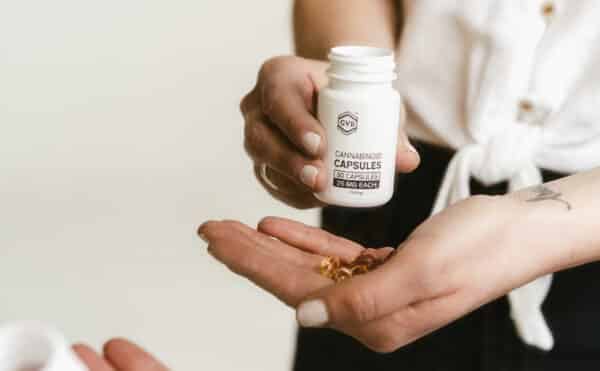
Since the dawn of the modern hemp industry, capsules have served as the default alternative for hemp consumers who don’t want to taste their cannabinoids. Bypassing the sublingual route makes encapsulated products not quite as bioavailable as tinctures. Nonetheless, it’s possible to formulate capsules with just as wide an array of ingredients as tinctures, without the need for flavoring. Capsules make CBT-C more approachable to consumers who are adventurous enough to try a new substance but want to avoid the inherent trickiness of tinctures.

3. White-label CBT-C gummies

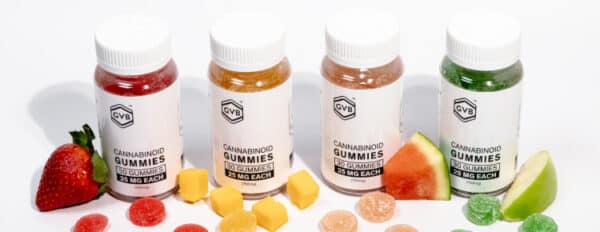
They aren’t quite as carb-free as capsules or tinctures, yet gummies are certainly the tastiest types of hemp products you can infuse with CBT-C or any other cannabinoid. Making daily dosing with cannabinoids easy and delicious, gummies are the most fun, approachable type of hemp product. These features may help to reduce the level of hesitation consumers experience when trying a new cannabinoid, like CBT-C.

Preparing for the CBTC wave

CBT-C is hardly the only cannabinoid waiting in the wings. Up until the last decade, research into cannabis was haphazard and mainly carried out by the same teams of isolated Japanese and Israeli researchers. Now that cannabis is increasingly legitimized around the globe, international cannabinoid research efforts have become more cohesive. We’re starting to get some of the first definitive results, regarding the effects of the cannabis plant and the hundreds of distinct compounds it contains.

Alongside CBT-C, related cannabinoids like CBC and CBL are also rising to the forefront of the hemp industry. If this all seems like too much for consumers to keep track of right now, think back to the status of CBD circa 2010. At that point, nobody could have predicted this then-obscure hemp compound would become a household name within less than a decade.

The consumer market simply needs time to adjust to new trends and entrepreneurs have always benefited by preparing for these surges in sentiment before they occur. It’s never too early to start educating consumers, regarding the oncoming CBT-C wave. By offering plentiful, related cannabinoids like CBC, you can give your customers a taste of what to expect when CBT-C products become available.

Cannabicitran FAQs

1. What is CBTC distillate?

Cannabicitran distillate consists of isolated CBT-C combined with a base of hemp distillate. It may contain small concentrations of other cannabinoids, including THC. Distillates also usually include relatively high levels of terpenes and flavonoids that may contribute to the entourage effect.

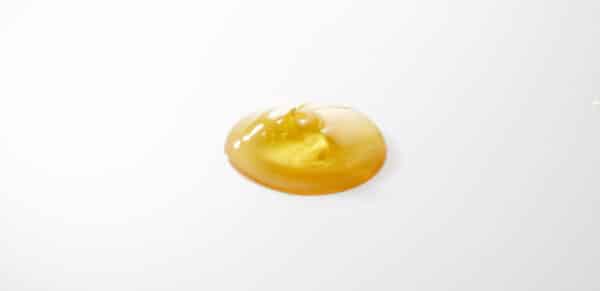
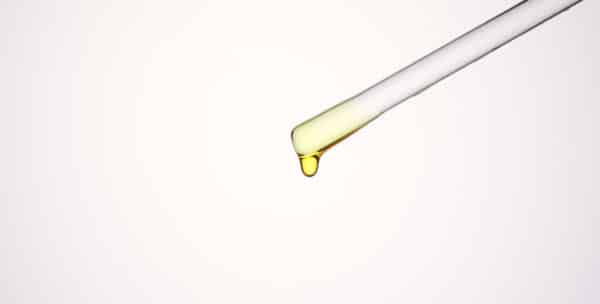
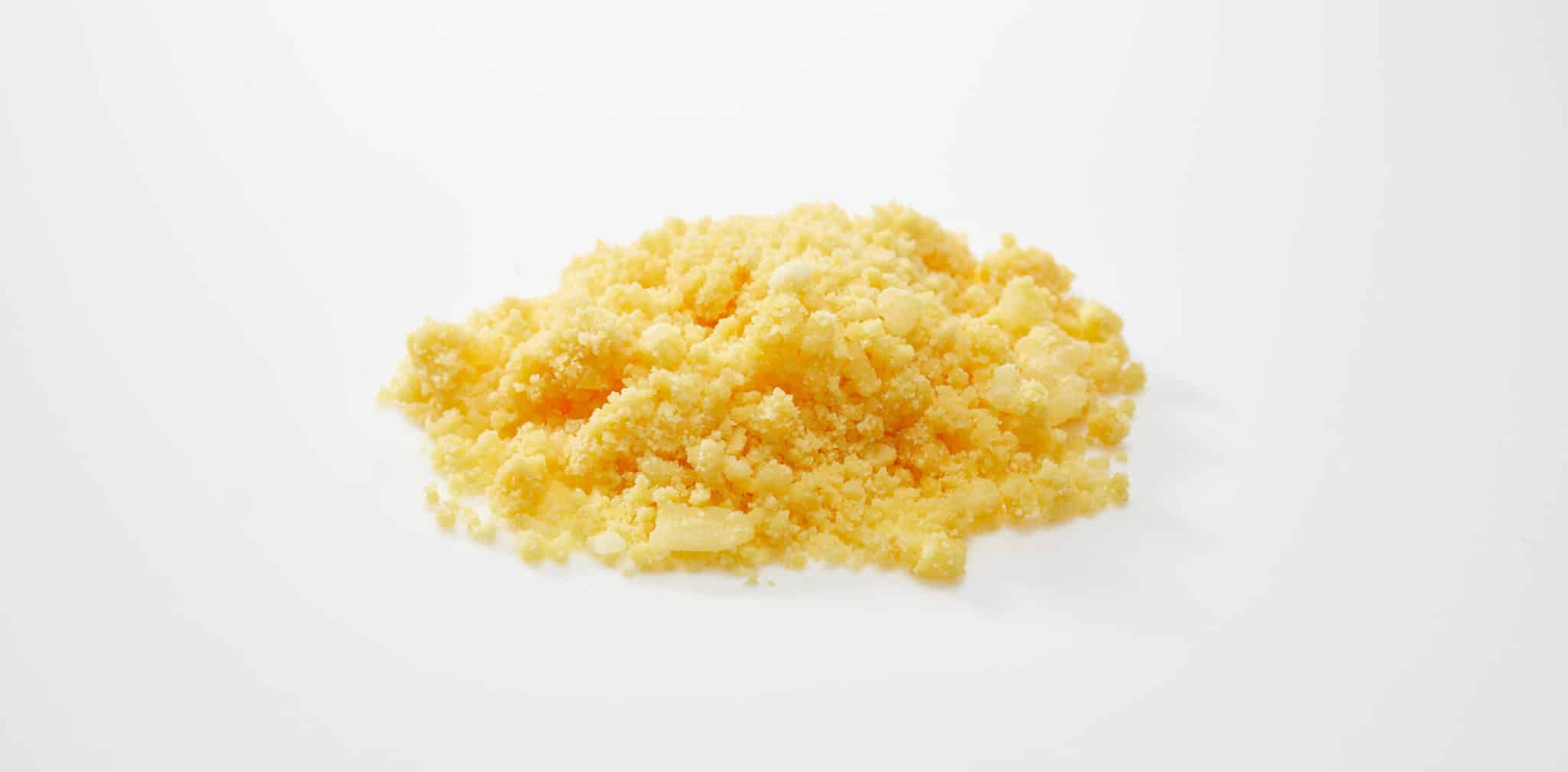
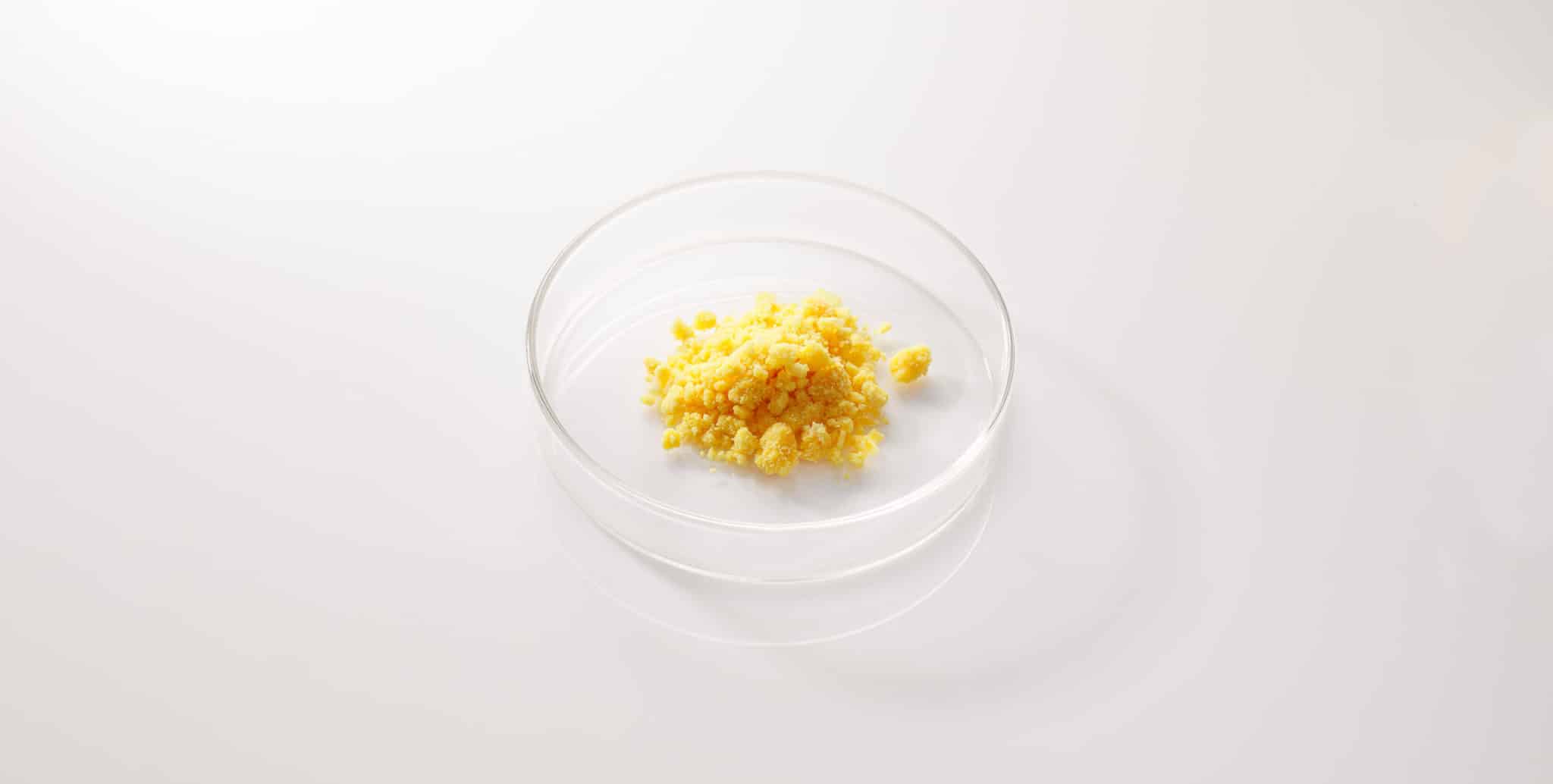
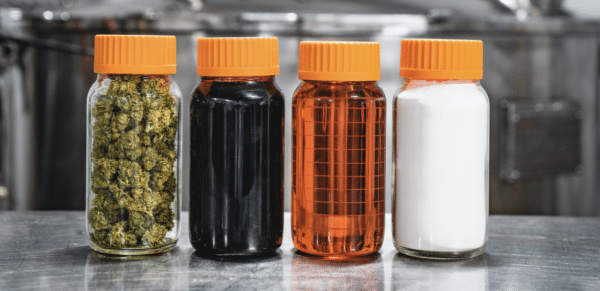
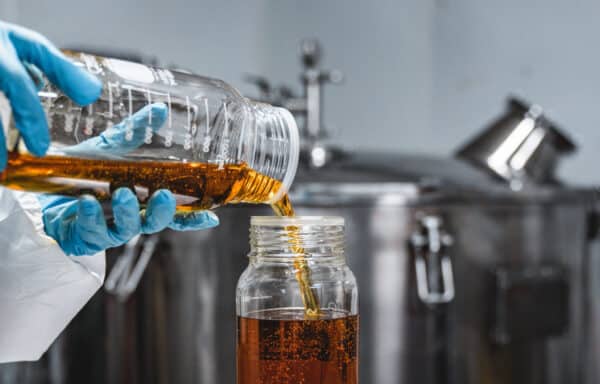
Even though all available CBT-C has been made in a lab, this cannabinoid looks just like any other when it is provided in distillate form. Generally, CBT-C distillate is honey-like in both color and texture, and it has a light floral aroma.

2. CBT-C vs. CBN?

Though they are both cannabinoids, CBT-C and CBN have practically nothing in common. While CBT-C is a very rare cannabinoid that is hardly ever found in cannabis, CBN is a natural oxidant of THC, so it’s found everywhere. Furthermore, we can’t identify any ways in which the effects of CBN and CBT-C might line up since both cannabinoids have hardly received their fair share of academic attention.

3. What is the difference between H4CBD and CBT-C?

The primary difference between CBT-C and H4CBD is their origin: While CBT-C is rare but naturally occurring, H4CBD can only be made in a lab. These cannabinoids are actually quite similar in terms of what we know about them — both H4CBD and CBT-C remain largely mysterious to scientists, though new research is underway. You’ll also face roughly the same level of difficulty, attempting to find a reliable source of either rare cannabinoid.

4. What are the benefits of CBT-C?

At this stage, it’s truly impossible to say much about the potential therapeutic benefits of CBT-C because this cannabinoid has hardly been researched. This rare cannabinoid appears to share one of CBD’s main benefits: it is non-intoxicating. At this time, there’s no reason to believe it’s any more toxic than other natural cannabinoids.

In its isolated form, CBT-C is as easy to mix into products as any other type of cannabinoid isolate. If anecdotal reports are to be believed, this rare cousin of CBT-C may even have unique medicinal benefits to offer. With so few sources of CBT-C on the market, it can be hard to pin down a reliable supply of this very new — and very rare — hemp substance.

Sources

  1. 1. Andre, C. M., Hausman, J. F., & Guerriero, G. (2016). Cannabis sativa: The Plant of the Thousand and One Molecules. Frontiers in Plant Science, 7. https://doi.org/10.3389/fpls.2016.00019
  2. 2. Bercht, C., Lousberg, R. J., Küppers, F. J., & Salemink, C. A. (1974). Cannabicitran: A new naturally occurring tetracyclic diether from lebanese Cannabis sativa. Phytochemistry, 13(3), 619–621. https://doi.org/10.1016/s0031-9422(00)91362-1
  3. 3. (2019, December 9). GVB Biopharma Begins Research on CBT (Cannabicitran), Unexplored Cannabinoid [Press release]. https://www.biospace.com/article/releases/gvb-biopharma-begins-research-on-cbt-cannabicitran-unexplored-cannabinoid/
  4. 4. Iwata, N., & Kitanaka, S. (2011). New Cannabinoid-Like Chromane and Chromene Derivatives from Rhododendron anthopogonoides. Chemical and Pharmaceutical Bulletin, 59(11), 1409–1412. https://doi.org/10.1248/cpb.59.1409
  5. 5. Pollastro, F., Caprioglio, D., del Prete, D., Rogati, F., Minassi, A., Taglialatela-Scafati, O., Munoz, E., & Appendino, G. (2018). Cannabichromene. Natural Product Communications, 13(9), 1934578X1801300. https://doi.org/10.1177/1934578×1801300922
  6. 6. Elsohly, M. A., Harland, E. C., Benigni, D. A., & Waller, C. W. (1984). Cannabinoids in glaucoma II: The effect of different cannabinoids on intraocular pressure of the rabbit. Current Eye Research, 3(6), 841–850. https://doi.org/10.3109/02713688409000797
  7. 7. Elsohly, M. A., Harland, E. C., Benigni, D. A., & Waller, C. W. (1984). Cannabinoids in glaucoma II: The effect of different cannabinoids on intraocular pressure of the rabbit. Current Eye Research, 3(6), 841–850. https://doi.org/10.3109/02713688409000797

CBN Comparison: Distillate vs. Isolate

Since CBN is gaining popularity faster than almost any other cannabinoid, it’s time to compare two of the most common types of CBN extracts: distillate and isolate. Each form of CBN has its unique advantages, but one type of extract might be more ideal for your particular purposes.

In this guide, we’ll start by making sure you’re familiar with the basics regarding CBN. Then, we’ll briefly define CBN distillate and isolate before diving into a more detailed comparison.

What is CBN?

Cannabinol (CBN) is a natural cannabinoid that’s considered a metabolite of THC. While THC has strong psychoactive effects, however, CBN won’t get you high. In this way, cannabinol is more similar to CBD or CBG regardless of its origins.

CBN is produced from THC due to oxidation – a natural process when THC ages or is exposed to light or heat. While CBN naturally appears when THC oxidizes, it’s also possible to convert CBN from CBD or other hemp cannabinoids. As a result, CBN is now widely sold online.

What are the benefits of CBN?

As one of the least-studied cannabinoids, the benefits of CBN are not yet fully understood. Extremely dated and limited research¹ tentatively indicates CBN should be further researched in the context of sleep-promotion, but modern research into this cannabinoid has focused more on its potential pain-relief² and neuroprotective³ effects. Regardless of its individual benefits, CBN may boost the intensity of the entourage effect⁴ when included in products alongside other hemp cannabinoids. Remember that the entourage effect occurs when cannabinoids work together synergistically to enhance the effects of each other.

How do you use CBN in products?

While research is sill being conducted about the possible sleep-promotion effects of CBN, the general public seems convinced that CBN shows promise as a sleep aid, leading to a heightening popularity of CBN in sleep-promoting products. Awareness has also spread to some degree regarding research into CBN as an analgesic. However, this cannabinoid is mainly desirable as an accompaniment to other hemp compounds due to its entourage effect.

While the individual benefits of CBN require an expert touch to convey, CBD is now a household name, and many CBD consumers are aware of the entourage effect. As a result, the value of any CBD product is likely boosted in the eyes of the consumer if CBN is also included on the label.

What is CBN extract?

CBN extract is derived from a cannabinoid-rich hemp flower that predominantly contains the cannabinoid CBN. This type of bulk hemp ingredient is available in multiple forms, most notably distillate and isolate. Their potency ranges from 70–97% total cannabinoids, and each extract can be used in a wide variety of products.

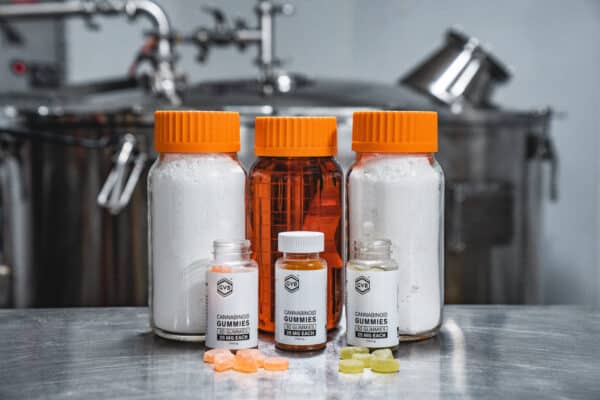
cbn distillates and isolates in raw form and in gummies

What is CBN distillate?

CBN distillate is a distilled cannabinoid extract that contains high concentrations of CBN. While CBN distillate is more purified than a crude extract, it still retains the minor cannabinoids, terpenes, and other beneficial substances naturally present in hemp flowers. This attribute makes CBN distillate highly desirable for products like tinctures, gummies, and vape cartridges.

CBN distillate usually has a honey-like appearance and consistency, and it can offer CBN potencies as high as 80%. Some forms of CBN distillate contain trace THC, yet it can also be refined to remove all detectable levels.

What is CBN isolate?

CBN isolate consists almost entirely of pure cannabinol molecules. Offering 97%+ chemical purity, CBN isolate is ideal for formulating into a wide variety of products  even if it is not especially usable in its raw form.

Where this isolated product truly shines is in its ideal suitability for combination with other cannabinoid extracts. CBN isolate makes it easy to infuse any new or existing products with the unique and intriguing benefits of CBN.

CBN distillate vs. CBN isolate

Now that you understand CBN distillate and isolate, it’s time to compare these hemp extracts in more detail. We’ll pit CBN isolate and CBN distillate against each other in eight categories, helping you decide which extract suits your products.

Effects

Because the extracts contain the same molecule the effects of CBN isolate and distillate should be largely the same. Nonetheless, the effects of CBN distillate may be somewhat stronger due to the presence of minor cannabinoids and terpenes. Then again, CBN isolate often contains higher concentrations of total cannabinoids than CBN distillate, potentially equalizing the intensity of the effects provided by the two extracts.

Powder

CBN isolate naturally comes in a powder form, making it easy to infuse into any bulk cannabinoid ingredient—especially water-soluble powder. Even though it’s honey-like in its natural state, it’s just as possible to translate the somewhat wider benefits of CBN distillate into a water-soluble powder extract.

Liquid

Because of its consistency, CBN distillate is naturally ideal for liquid formulations, including both water-soluble liquid and crystal-resistant distillate. Isolates, like CBN isolate, are naturally dry but can be formulated into liquid formulas.

Uses

CBN distillate and isolate share many potential uses, though their applications do not always align. For vape cartridges, CBN distillate’s full-spectrum attributes are often preferred, while isolate suits complex formulations. Both extracts can be formulated with undetectable THC, making CBN isolate and distillate equally desirable under regulations.

Products

Examples of products that are ideal for the utter simplicity CBN isolate include:

1. Capsules

2. Tablets

3. Topicals

Products that are ideal for the rich flavors of CBN distillate, however, include:

1. Vape cartridges

2. Tinctures

3. Gummies

In reality, either type of CBN extract can be included in any of the product types listed above. It all depends on what you’re trying to accomplish and the audience you’re trying to reach. Speak with a qualified cannabinoid white labeller to take a more personalized approach to developing your new CBN product.

droplet of cbn distillate

Minor cannabinoids

Here’s a category in which there’s a clear and distinct difference between CBN isolate and CBN distillate. While CBN distillate features a rich entourage of minor cannabinoids, CBN isolate does not. Due to its purity, the isolate consists solely of the CBN molecule, rendered down into an almost completely molecularly pure state.

If you want to capture the boost offered by the entourage effect, therefore, you’ll need to go with CBN distillate instead of CBN isolate. CBN distillate contains small concentrations of CBD, CBG, CBC, and other minor cannabinoids, potentially augmenting its effects in a myriad of subtle ways.

Ongoing research

The majority of research into cannabinoids—including research into CBN—focuses on the effects these hemp and cannabis compounds exert when isolated. A growing call is emerging, however, to get to the bottom of the impact of the entourage effect on the benefits of cannabinoids, leading to more research involving cannabinoid distillates. Regardless of which type of extract is used, we’ll learn more about how to use this cannabinoid in products with each new CBN study published.

How do I choose the right CBN extract?

Now that you’re familiar with all the important details regarding CBN distillate and isolate, how do you choose the right type of CBN extract for your exact purposes? Let’s take a look at some of the facts.

In the past, cannabinoid isolates were desirable due to their lack of THC. These days, however, it’s just as possible to remove all detectable traces of THC from distillate, eliminating this advantage.

In the modern hemp market, the main reason you wouldn’t use CBN distillate is to avoid unbalancing a product formulation. If a product already contains a cannabinoid distillate, for instance, increasing the ratio of oils in the formulation could be undesirable. In this case, you could add the benefits of CBN to the product using an isolate extract instead.

The reality is that there are dozens of factors like this to consider when choosing the right cannabinoid extract: all of which are equally important. That’s why it’s best to put your product line together with the expert guidance of a reputable hemp white labeller.

CBN isolate vs. distillate: The bottom line

CBN isolate and distillate may contain the same cannabinoid, but the differences between these two cannabinoid extracts can take an expert touch to properly discern. Choosing the wrong extract could doom an otherwise promising product, but including the right kind of CBN in your product formulation is the first step toward success in the rapidly evolving fringe cannabinoid market.

To unlock the potential benefits of CBN to the fullest for your customers, it’s best to formulate your CBN product line with the help of experienced hemp private labelers. At GVB Biopharma, we exert full vertical integration throughout the production process to ensure the highest possible standards of quality and reliability, and we have the expertise necessary to deliver key insights on product formulation and customization. Contact us to get started.

CBN extract comparison FAQs

1. Is CBN isolate or distillate better?

When comparing CBN isolate to CBN distillate, it would be a mistake to consider one type of extract to be inherently superior to the other. CBN isolate might be the inferior decision in some situations, but there are also plenty of product types in which oily distillates are the wrong choice. Weigh the pros and cons of both CBN isolate and CBN distillate to determine which type of cannabinoid extract is ideal for your particular situation.

2. What is CBN isolate good for?

CBN isolate is ideal for applications in which you want to add a certain amount of CBN to an existing formulation that already contains cannabinoids. This simplified form of extract can also be suitable for use on its own, but shoppers increasingly demand broad-spectrum or full-spectrum extracts in their cannabinoid products. Easy both to handle and to measure for accurate dosing, consider CBN isolate as the reliable workhorse that might nonetheless be a bit less imaginative than other forms of CBN extract.

3. Is CBN distillate water-soluble?

No, CBN distillate is not water-soluble unless otherwise specified. We do, though, offer a water-soluble CBN distillate liquid — contact a client support representative to learn more about this innovative and versatile product type.

4. How much CBN do you need to use?

Due to a general lack of research into this cannabinoid, there is no definitive answer regarding how much CBN each individual should use. Based on the research that has been conducted, though, it appears that there is very little risk associated with using even high concentrations of CBN. While it’s always appropriate to start using any cannabinoid at a low dose, it is recommended to consult with a doctor to determine a dose that is safe for you.

Sources

  1. 1. Karniol, I. G., Shirakawa, I., Takahashi, R. N., Knobel, E., & Musty, R. E. (1975). Effects of Δ9-Tetrahydrocannabinol and Cannabinol in Man. Pharmacology, 13(6), 502–512. https://doi.org/10.1159/000136944
  2. 2. Wong, H., & Cairns, B. E. (2019). Cannabidiol, cannabinol, and their combinations act as peripheral analgesics in a rat model of myofascial pain. Archives of Oral Biology, 104, 33–39. https://doi.org/10.1016/j.archoralbio.2019.05.028
  3. 3. Weydt, P., Hong, S., Witting, A., Möller, T., Stella, N., & Kliot, M. (2005). Cannabinol delays symptom onset in SOD1 (G93A) transgenic mice without affecting survival. Amyotrophic Lateral Sclerosis, 6(3), 182–184. https://doi.org/10.1080/14660820510030149
  4. 4. Ferber, S. G., Namdar, D., Hen-Shoval, D., Eger, G., Koltai, H., Shoval, G., Shbiro, L., & Weller, A. (2020). The “Entourage Effect”: Terpenes Coupled with Cannabinoids for the Treatment of Mood Disorders and Anxiety Disorders. Current Neuropharmacology, 18(2), 87–96. https://doi.org/10.2174/1570159×17666190903103923

CBGa Guide

The carboxylic acid CBGa (cannabigerolic acid) plays a critical role in the development of popular cannabinoids during the maturation of the cannabis flower. Recently, CBGa has come into the spotlight due to its usefulness in synthesizing cannabinoids. This cannabinoid precursor became even more famous when CBGa was included in a groundbreaking OSU study into cannabinoids and COVID¹.

In this guide, learn what CBGa is, how it’s different from CBD and CBDa, and everything we know about its benefits so far. With CBGa products now available on the internet, the time has come to demystify this hemp compound and explain its unique properties.

What is CBGa?

Cannabigerolic acid (CBGa)² is a naturally occurring compound found in cannabis and hemp. CBGa is the carboxylic acid precursor to cannabigerol (CBG), which means CBGa turns into CBG when exposed to stimuli that trigger decarboxylation. (the removal of a carbon atom from the CBGa molecule).

UV light, age, and heat can all cause decarboxylation, but some CBGa researchers and entrepreneurs want to catch this carboxylic acid before it settles into its final form. If you expose CBGa to certain natural cannabis enzymes, it will change from the precursor to CBG to the precursor to CBD, THC, or a variety of other cannabinoids.

As a result, CBGa is not only valued for its own benefits. This carboxylic acid is also hotly desired for its ability to turn into other compounds.

CBGa effects

Like CBD, CBDa (CBD’s precursor), and the vast majority of cannabinoids, CBGa is non-intoxicating. People who have used CBGa generally report that it has effects that are similar to those of CBG, which—in turn—are usually reported to be very close to the effects of CBD.

Like CBD, CBGa will not cause any form of intoxication, but it won’t provide exactly the same type of non-intoxicating effect as CBD. Results vary depending on the individual, but CBG is usually reported to be more energizing while CBD is more relaxing.

As with all cannabinoids, the effects of CBGa will vary significantly based on how you use it. Orally ingested, CBGa will deliver long-lasting but relatively mild effects. Inhaled, this cannabinoid precursor will provide much stronger effects that persist for a significantly shorter duration.

CBGa benefits

Even though this hemp substance hasn’t received as much attention as CBD or CBDa, a considerable amount of research has been conducted into the potential benefits CBGa may have to offer. In 2018, for instance, scientists investigated the ability of CBGa to reduce levels of heart-harming enzymes.³ Then, in 2019, researchers took a look at CBGa’s usefulness in combating metabolic disorders⁴.

What did the OSU CBGa study say?

Most recently, researchers at the University of Oregon included CBGa as one of the hemp substances they investigated in relation to COVID-19⁵. The OSU researchers wanted to find out if cannabinoids could neutralize spike proteins using both computer models and chemical assays.

In the end, CBGa and CBDa were among the compounds identified for further study due to both cannabinoids having shown possible activity against the spike protein. As a result, CBGa has suddenly been thrust to the forefront of the conversation surrounding cannabinoids and coronavirus.

Does CBGa fight COVID?

We don’t know enough about CBGa yet to be sure whether or not this compound prevents COVID-19 infection or mitigates the symptoms of this infectious disease. Based on the results of preliminary studies, however, the scientific community would certainly be justified in investigating the potential usefulness of CBGa, CBDa, and other hemp compounds for COVID in more detail.

CBGa vs. CBD

Compared to CBD, CBGa is in a completely different class of compounds and has a significantly different chemical structure. CBGa is a carboxylic acid while CBD is a stabilized cannabinoid, and these two hemp substances also appear to exert different effects.

The effects of CBD are often described as relaxing, and the same goes for CBDa. Users hardly ever report that CBD improves their energy levels, though, but CBGa appears to sometimes have an almost stimulating effect.

CBGa vs. CBG

CBGa and CBG are two sides of the same coin. On the one side, we have CBG, the stabilized form. On the other hand, we have CBGa, its carboxylic acid precursor.

Scientists are starting to discern, however, that CBGa and CBG aren’t exactly alike. For one thing, it’s easy to transform CBGa into a wide variety of different stabilized cannabinoids while the same can’t be said for CBG.

What is CBGa’s decarboxylation temperature?

CBGa converts (decarboxylates) into CBG at 110°C⁷. This means you need to heat CBGa molecules to at least 110 degrees C (230 degrees F) to convert it into CBG. It also means you’ll need to keep your CBGa below this temperature if you plan to use enzymes to transform it into a different carboxylic acid.

What is the best CBGa dosage?

At this point, we don’t know enough about CBGa to provide guidelines for its dosage. The FDA has not even released dosing guidelines for CBD yet, indicating that official standards for CBG and CBGa use are likely many years in the future. If you intend to use this cannabinoid precursor in the interim, just follow the usual dosing procedure you use when trying new hemp compounds for the first time: Start small, and increase your dosage over time as desired.

Does CBGa make you high?

No, just like CBG, CBGa does not have an intoxicating effect. While CBGa might affect your mental state differently than CBD, this cannabinoid precursor’s mildly energizing effets don’t reach the threshold for intoxication. On the contrary, using CBGa might make you feel vaguely upbeat or more prepared to face the day’s challenges.

Is cannabigerolic acid in CBD?

Yes, most CBD products contain trace concentrations of CBGa. Concentrations of CBGa in CBD products, however, rarely exceed 1%, making it difficult to experience the benefits of this cannabinoid by using full-spectrum CBD alone. If you want to enjoy everything CBGa has to offer, ingest this cannabinoid in a product that has been specifically designed to contain high concentrations of CBGa.

How potent is CBGa flower?

Recently, CBG-rich hemp flower has become popular on the internet, with the main active compound in CBG flower being CBGa. The CBG-rich hemp flowers contain high amounts of CBGa because they have not yet undergone decarboxylation thus, the majority of the CBG they contain is still in the form of the carboxylic acid CBGa. At present, the most potent CBG hemp flower contains around 20% total cannabinoids, of which CBGa constitutes a maximum of around 15%.

Where can I buy CBGa products?

You can buy various types of CBGa products online. CBGa products sold online are available on both a retail and wholesale basis. A variety of hemp brands have started offering products containing CBGa in the wake of the OSU COVID study, and there are a few different online CBGa bulk suppliers and white labellers to choose from.

Some examples of popular CBGa product formulations include:

1. CBGa tinctures

2. CBGa capsules

3. CBGa topicals

4. CBGa tablets

5. CBGa gummies

Can I buy CBGa wholesale?

Yes, the cannabinoid precursor CBGa is available online from a variety of different retailers. Quite a few different types of CBGa extract are offered, but remember that it pays to choose your cannabinoid supplier carefully.

Only cannabinoid producers with fully vertically integrated operations and comprehensive multi-stage analytics can produce the type of pure, high-grade CBGa you want to formulate competitive products. Hemp white labellers who go out of their way to acquire every relevant certification should also be preferred.

Is CBGa legal?

Like most cannabinoids aside from THC (delta-9 tetrahydrocannabinol), CBGa generally falls under the definition of “industrial hemp” as per the 2018 Farm Bill⁸. As a result, CBGa products are not considered to be illegal drugs as long as they contain less than 0.3% THC. CBGa products that contain less than this THC threshold are widely shipped and sold across state lines.

Can I sell CBGa products?

Yes, CBGa is generally considered to be an industrial hemp product on the federal, state, county, and municipal level, making obstacles to offering CBGa products online or in your local community rare. As a non-intoxicating cannabinoid with immense potential medicinal benefit, preventing the sale of CBGa products does not appear to be a significant law enforcement objective.

CBGa: Final thoughts

CBGa is just one of a growing roster of new cannabinoids that have the potential to entirely disrupt the hemp industry. While the OSU study has recieved a lot of attention lately, COVID isn’t the only application where CBGa research should be furthered.

There are dozens of ways this cannabinoid precursor might improve human lives, and CBGa will certainly play an important role in cannabis synthesis for years to come. For excellent prices on the world’s best bulk CBGa products, contact one of GVB Biopharma’s business development representatives.

CBGa FAQs

1. How does CBGa make you feel?

According to people who have used this cannabinoid, CBGa seems to have an effect similar to CBG.

Keep in mind, though, that many methods of using CBGa result in converting this cannabinoid into CBG, making products like CBGa vapes essentially CBG products instead. Choose your formulation wisely when crafting a best-selling CBGa product, and always remember that there’s a lot left to learn about both CBG and CBGa.

2. What is considered to be a high CBGa percentage?

In hemp, CBGa can sometimes naturally occur in concentrations of 15% or higher. It is the primary form of CBG found in CBG-rich hemp, and it only oxidizes into CBG after hemp is harvested and processed. CBGa extracts should contain at least 40-50% CBGa with most boasting upwards of 60%.

3. ​​What is CBGa used for?

In the world of consumer hemp products, CBGa is only commonly used in products that are specifically designed to feature this niche cannabinoid. It is sometimes added to CBD or CBG tinctures, for instance, to provide differentiation from competing products.

In the world of cannabinoid science, on the other hand, CBGa is very popular as a raw material used to produce other cannabinoids via enzymatic conversion. Dubbed the “stem cell cannabinoid,” it appears CBGa has an important role to play in the future of cannabinoid research.

4. CBGa vs CBG?

Put side by side, how does CBGa compare to CBG? In the end, it’s a bit hard to compare the two cannabinoids since CBGa naturally converts to CBG at relatively low temperatures. The two compounds are definitely chemically distinct, though, and they appear to affect the body in different ways.

This cannabinoid has a unique chemical structure that seems to have made it the subject of intense interest to researchers, potentially suggesting CBGa has something to offer that CBG does not. Both cannabinoids, though, are non-intoxicating and appear to lack significant side effects.

Sources

  1. Oregon State research shows hemp compounds prevent coronavirus from. (2022, January 11). Life at OSU. https://today.oregonstate.edu/news/oregon-state-research-shows-hemp-compounds-prevent-coronavirus-entering-human-cells
  2. Havelka, J. (2021, January 25). What is CBGA (Cannabigerolic Acid) & what does this cannabinoid do? Leafly. https://www.leafly.com/news/science-tech/what-is-cbga-cannabigerolic-acid-marijuana-cannabinoid
  3. Smeriglio, A., Giofrè, S. V., Galati, E. M., Monforte, M. T., Cicero, N., D’Angelo, V., Grassi, G., & Circosta, C. (2018). Inhibition of aldose reductase activity by chemotypes extracts with high content of cannabidiol or cannabigerol. Fitoterapia, 127, 101–108. https://doi.org/10.1016/j.fitote.2018.02.002
  4. D’Aniello, E., Fellous, T., Iannotti, F. A., Gentile, A., Allarà, M., Balestrieri, F., Gray, R., Amodeo, P., Vitale, R. M., & di Marzo, V. (2019). Identification and characterization of phytocannabinoids as novel dual PPARα/γ agonists by a computational and in vitro experimental approach. Biochimica et Biophysica Acta (BBA) – General Subjects, 1863(3), 586–597. https://doi.org/10.1016/j.bbagen.2019.01.002
  5. van Breemen, R. B., Muchiri, R. N., Bates, T. A., Weinstein, J. B., Leier, H. C., Farley, S., & Tafesse, F. G. (2022). Cannabinoids Block Cellular Entry of SARS-CoV-2 and the Emerging Variants. Journal of Natural Products, 85(1), 176–184. https://doi.org/10.1021/acs.jnatprod.1c00946
  6. Sirikantaramas, S., Taura, F., Tanaka, Y., Ishikawa, Y., Morimoto, S., & Shoyama, Y. (2005). Tetrahydrocannabinolic Acid Synthase, the Enzyme Controlling Marijuana Psychoactivity, is Secreted into the Storage Cavity of the Glandular Trichomes. Plant and Cell Physiology, 46(9), 1578–1582. https://doi.org/10.1093/pcp/pci166
  7. Wang, M., Wang, Y. H., Avula, B., Radwan, M. M., Wanas, A. S., van Antwerp, J., Parcher, J. F., ElSohly, M. A., & Khan, I. A. (2016). Decarboxylation Study of Acidic Cannabinoids: A Novel Approach Using Ultra-High-Performance Supercritical Fluid Chromatography/Photodiode Array-Mass Spectrometry. Cannabis and Cannabinoid Research, 1(1), 262–271. https://doi.org/10.1089/can.2016.0020
  8. Hemp Production and the 2018 Farm Bill. (2019, July 25). U.S. Food and Drug Administration. https://www.fda.gov/news-events/congressional-testimony/hemp-production-and-2018-farm-bill-07252019

The Growing Nutraceutical Hemp Market: Trends and Expectations for the Future

The Covid-19 pandemic has placed a tremendous strain on not only the economy but also society in general with businesses and people being affected at crisis levels. All markets felt the economic strain, including those producing hemp-based products. Despite the economic crisis caused by the pandemic, there are a vast number of companies that are benefiting from the introduction of CBD and hemp-based nutraceutical products into the US market. In fact, the demand for nutraceutical hemp seems to be growing exponentially. With the rapidly evolving state of the economy and society in general due to the recent pandemic crisis, it is encouraging to see the rise in demand for hemp nutraceuticals. The medicinal and health benefits of the products themselves drive consumer demand while companies are jumping into the market to bring a diverse array of products to their buyers.¹

Consumers Seeking Nutraceutical Hemp Alternatives for Health

Hemp-based materials are now widely available on the market and consumers contribute to purchasing these products at a progressively steady rate. An estimated 50,000 different products can be derived from industrial hemp, including textiles, food products, building materials, and nutraceuticals. Of these products, nutraceuticals and hemp-based foods have been at the top of consumer purchases.

Hemp-based Food as Medicine

Hemp that is used to improve health and wellness or to treat chronic or acute diseases is known as a nutraceutical. Hemp nutraceuticals can be found in food or supplement form. Food products derived from hemp seeds include hemp milk, hemp seed oil, hulled seeds, cereal, hemp protein powder, and energy bars. People seek these products due to their rich nutritious value as they are high in proteins, antioxidants, and amino acids. 

For example, industrial hemp producers have harvested hemp seeds in great numbers due to recent demand for the nutritious proteins in the health food market. Hemp seeds contain valuable lipids, carbohydrates, and polyunsaturated fatty acids (PUFAs).2 PUFAs are especially abundant in the seeds in a balanced proportion of omega 3, 6, and 9 fatty acids. These dietary fats may contribute to overall health and help to reduce inflammation throughout the body.

Benefits of Hemp Nutraceuticals

Traditional medicine, with its heavy reliance on herbs and nutritious foods as medicine, is used throughout the world to treat illness and disease due to its low cost and high accessibility. With the rising cost of healthcare and the distaste of side effects from pharmaceutical drugs, many people are seeking alternative ways to treat debilitating chronic conditions (such as arthritis and stress disorders) in nutraceutical foods and supplements. Consumers have invested money specifically in hemp nutraceuticals in their pursuit of managing health and chronic disorders to accompany medical treatment advised by their physicians. Numerous studies are currently underway to assess the potential benefits of hemp nutraceuticals in the treatment of a number of neurological, musculoskeletal, and psychological disorders, including:²

 – Neurodegenerative diseases (i.e., multiple sclerosis)
 – Central nervous system diseases (i.ei,  epilepsy. 
 – Anxiety disorders
 – Addiction
 – Chronic pain 
 – Psychotic disorders
 – Sleep disorders

These studies suggest the potential health benefits and therapies of hemp nutraceuticals. Nonetheless, it is important that consumers check with their primary health care providers to make sure that any supplement they are taking (including hemp supplements) do not interact with current medications nor conflict with treatment protocols. 

The Passing of the 2018 Farm Bill Prompts Surge in Consumer Demand for Hemp Nutraceuticals

Hemp farmers celebrated the passing of the Farm Bill in 2018 which removed the prohibition of hemp cultivation and allowed them to begin growing federally legal hemp. This marked a cornerstone in the nutraceutical hemp market, and CBD-based products exploded onto the natural supplement market scene. Consumers prefer these products over pharmaceuticals that often carry unwanted side effects or intoxicating THC-based products. 

The pandemic closely followed the passing of the Farm Bill and millions of people were compelled to self-quarantine. One advantage of the isolation was that many people chose to seek a healthy lifestyle change in nutrition and fitness. Hemp-based food products rich in protein and beneficial fatty acids and amino acids are highly sought after by bodybuilders, athletes, and the general population (especially vegan-based dieters). 

The lifting of the prohibition of hemp 20 years ago has prompted a rise in consumer purchases of hemp-derived products as natural health products and dietary supplements to help manage specific health conditions. Despite the prohibition being lifted, there are still government regulations that encourage stringent control of hemp product sales. The UK is exporting much of the market share of CBD products to the United States. However, Colorado and Kentucky are now contributing to the CBD supply chain and several US companies are forerunners in the development of CBD-based nutraceutical products. 

New Research Estimates $17.4 Billion for CBD Nutraceuticals

Hemp-based CBD is the source of one of the largest new nutraceutical products on the market. Non-psychoactive nutraceutical and nutritional CBD products contain less than .3% THC. This phytocannabinoid has major clinical significance and has been the focus of several hundred clinical trials around the world. One of the major advantages of using CBD nutraceuticals is the lack of side effects when taking the supplement, including the absence of psychoactivity.

North America is emerging as the largest market for CBD nutraceuticals. A report delivered by Grand View Research anticipates a global CBD nutraceuticals market projection of $17.4 billion by the year 2026 with a CAGR (compound annual growth rate) of 18.8% during this forecast period.³ The primary reasons for this emergence are the legalization of Cannabis sativa, the passing of the 2018 Farm Bill, and the increasing numbers of people who are seeking a health-conscious life. The increase in health disorders related to lifestyle and environment has prompted people to seek out hemp nutraceuticals to improve their well-being, especially in regards to mental health and nutrition. Since the Farm Bill passed in 2018, consumer preference has grown substantially for CBD nutraceuticals, with an emphasis in the sales of  CBD edibles and tinctures. 

Technological advances in natural foods and plant medicinal sciences as well as research and development institutions have also contributed to the growth in the hemp nutraceutical market. For instance, the NIH (National Institutes of Health) currently supports a large portfolio of cannabinoid and endocannabinoid systems research studies including cannabinoid therapeutics. In 2022, the NIH will fund an estimated $57 million in therapeutic cannabinoid research alone (with overall estimated funding in cannabinoid research of over $325 million).

What has prompted this growth in the market? There are several players. Consider technological advancement, new product launches, and company acquisitions by leading contributors in the nutraceutical market. Global demand is also increasing for CBD products. Regulations on hemp cultivation and production of hemp-based products have loosened globally and companies are quickly investing in cannabinoid research and development to support the growing market. Tinctures, gel capsules, and salves are highly valued and show the greatest percentage of sales to consumers on a national and global level. Beyond North America, the Asia-Pacific region has an ever-increasing demand for hemp-based nutraceuticals, especially CBD. The increase in health awareness has also occurred in the nations of Australia, China, and Japan. 

In terms of distribution, CBD nutraceutical companies seek to make their products accessible online and “offline” or in-person sales. Distributors seek to place their products on the shelves of supermarkets, health food stores, specialty retail stores, and pharmacies. Natural health food store chains and nutritional supplement stores are major focal points for hemp nutraceuticals. It is forecast that while tinctures seem to dominate the market, hemp nutraceuticals delivered in gels and capsules are anticipated to be the fastest-growing product type. Hemp nutraceuticals in the form of capsules or tablets are easily swallowed, travel well, and have a longer shelf life than salves or edibles. 

The Future of Hemp Nutraceuticals 

The passing of the Farm Bill in 2018 combined with the rising demand for nutraceutical foods and supplements has bolstered the hemp market and forecasts a profitable future. This boost has been supported by both consumer demand and industry research and development. Several clinical studies have been funded by the NIH and other major medicinal laboratories to test the efficacy of hemp nutraceuticals in the treatment of a number of different disorders, including neurodegenerative diseases and anxiety disorders. Furthermore, consumers choose to purchase non-psychoactive hemp-based food and supplements to improve their health and ease the symptoms of chronic pain and disorders. Hemp foods and nutraceuticals (such as hemp seed and CBD respectively) are largely being developed as a major ingredient in tinctures, capsules, beverages, candies, and baked goods. The combination of consumer demand and promising research points to a growing nutraceutical hemp market for many years to come. 

Nutraceutical cannabinoid FAQs

1. Is CBD a nutraceutical?

As we’ve mentioned, the fact that there is no official definition of the word “nutraceutical” makes it difficult to say whether or not CBD is a nutraceutical substance. Taken completely literally, CBD would not be considered a nutraceutical since it does not come from food.

At the same time, the term is now used much more loosely to refer to any natural health product. So, some people may categorize CBD under this banner.

2. Are hemp pills the same as CBD?

No, it should not be assumed that a product labeled as “hemp pills” will necessarily contain CBD. The hemp plant is very complex and contains a multitude of parts that might be used to make products.

Hemp seeds, for instance, are often used to make dietary supplements even though they do not contain any CBD. To make sure that your hemp pills genuinely contain CBD, look for the acronym “CBD” somewhere on the packaging along with some indication of the number of milligrams of CBD the product contains.

3. Which CBD is FDA-approved?

So far, the only CBD product that has been approved by the FDA is the pharmaceutical medication Epidiolex, and it has only been approved for a very limited number of purposes. You cannot buy Epidiolex without a doctor’s prescription, so none of the CBD available online is technically “FDA-approved.” The federal government is expected to move sometime in 2023, however, to progress the cause of hemp in America with another periodic Farm Bill.

Sources

1. Williamson, E. M.; Liu, X.; Izzo, A. A. Trends in Use, Pharmacology, and Clinical Applications of Emerging Herbal Nutraceuticals. British Journal of Pharmacology 2019, 177(6), 1227-1240. Retrieved from BPS Online Library: https://bpspubs.onlinelibrary.wiley.com/doi/full/10.1111/bph.14943

2. Frassinetti, S.; Moccia, E.; Caltavuturo, L.; Gabriele, M.; Longo, V.; Bellani, L.; Giorgi, G.; Giorgetti, L. Nutraceutical Potential of Hemp (Cannabis sativa L.) Seeds and Sprouts. Food Chemistry 2018, 262, 56-66. Retrieved from NIH: https://pubmed.ncbi.nlm.nih.gov/29751921/

3. Grand View Research Writing Staff. CBD Nutraceuticals Market Size, Share & Trends Analysis Report By Product Type (CBD) Tinctures, Capsules & Softgels, CBD Gummies), By Sales Channel, By Region, And Segment Forecasts, 2019 – 2026. 2019. Retrieved from Grand View Research: https://www.grandviewresearch.com/industry-analysis/cbd-nutraceuticals-market

4. National Institutes of Health. Estimates of Funding for Various Research, Condition, and Disease Categories (RCDC). June 25, 2021. Retrieved from NIH: https://report.nih.gov/funding/categorical-spending#/

5. Allied Market Research Writing Staff. CBD Nutraceuticals Market: Global Opportunity Analysis and Industry Forecast, 2020-2030. February 2022 Retrieved From Allied Market Research: https://www.alliedmarketresearch.com/cbd-nutraceuticals-market-A08082

5 Ways To Use Hemp Biomass

Hemp biomass may not be the most refined hemp product, but it certainly has its uses. As one of the cheapest types of hemp products to cultivate, biomass has quite a few nutraceutical, industrial, and even culinary applications. In this guide, we’ll examine the top 5 most notable uses of hemp biomass, and we’ll answer common hemp biomass questions.

What is hemp biomass?

Hemp biomass is a low-potency combination of outdoor-grown cannabis stalks, leaves, and buds that are usually ground together. High-potency hemp is not usually used to make biomass—instead, this wholesale hemp product is usually composed of mass-produced outdoor hemp and can be valuable for commercial products.

CBD biomass vs. fiber biomass

In the hemp biomass industry, a distinction is often made between CBD biomass and fiber biomass. CBD biomass is hemp biomass that is used for CBD extraction and fiber biomass is used for its fiber content only.

Fiber biomass doesn’t contain enough CBD to be usable for extraction. The buds that fiber biomass hemp plants bear are disregarded, and the whole crop is industrially harvested and processed.

What can you do with hemp biomass? 5 options

CBD and fiber biomass both have a variety of impressive uses. Here are the top 5 ways you can use hemp biomass profitably and efficiently:

1. Can you extract cannabinoids from hemp biomass?

Yes, CBD-rich biomass, commonly called “CBD biomass,” is often used as a source of the non-intoxicating hemp cannabinoid cannabidiol (CBD). Hemp crops considered to be biomass-grade can contain anywhere between 5-15% CBD, which is more than enough to be usable for extraction.

CBD extracted from biomass varies in grade based both on the quality of the plant material and the techniques used by extractors. Some biomass-extracted CBD rivals the quality of the best pure-bud extracts, but CBD extract derived from biomass can also be low-quality if sourced from the wrong supplier. If the starting material isn’t graded high enough to be used for better-quality extracts, CBD biomass can always be used to make CBD isolate, an ultra-purified type of CBD extract consisting solely of the cannabidiol molecule.

2. Is hemp biomass a good source of terpenes?

Depending on its grade, hemp biomass can be a reasonably good source of terpenes even if it doesn’t bear usable quantities of CBD. All hemp flowers naturally contain some concentration of terpenes, but outdoor plants express lower concentrations of these aromatic plant oils, and the terpenes they do express are more prone to damage. As a result, hemp biomass is not an especially popular source of terpenes, but extracting these aromatic oils from biomass is technically possible.

3. Can you use hemp biomass for fiber?

Yes, hemp biomass is an excellent source of fibers that can be used for a variety of purposes including:

– Textiles
– Paper
– Insulation
– Building materials
– & more

Hemp biomass can be used as an excellent source of fiber regardless of its grade. Used as a source of strong, durable fiber for millennia, hemp is unlikely to lose favor as a fiber crop any time soon.

4. Can hemp be used for energy?

Yes, it is possible to derive usable quantities of energy from hemp biomass. Like corn, it’s possible to use the entire hemp plant to make ethanol, and hemp seed oil can be used to make biodiesel¹. At this point, the global capacity to use hemp for energy production is minimal, but since this hardy plant grows well in practically any environment, some clean energy advocates believe hemp could someday become a major source of renewable fuel.

5. Can you make hemp into building materials?

Yes, hemp fiber derived from biomass is used to make a variety of different low-cost and high-durability building materials². Hemp fiber is a great source of insulation, for instance, and it’s possible to combine hemp fiber with simple materials to make hempcrete, a remarkably strong form of plant-based concrete. Production of renewable building materials is a great way to use low-grade hemp biomass that would otherwise be discarded as a waste product.

Hemp biomass FAQs

Now that you know the best ways to use hemp biomass, let’s finish up by answering common hemp biomass questions:

How many ways can you use hemp?

It’s estimated that you can make up to 25,000 different products using the hemp plant³. Hemp flower and cannabinoid extracts are among the most popular hemp products, but some examples of the myriad of additional products you can make with hemp include hemp seed oil, hemp soap, hempcrete, hemp paper, hemp fiber for textiles, and dozens of other useful items.

How much does hemp biomass sell for?

The price of hemp biomass varies depending on its grade. High-quality hemp biomass with high cannabinoid concentrations, for instance, costs considerably more than low-potency biomass only useful for its fiber. Contact GVB Biopharma today for an accurate bulk hemp biomass quote.

How do you store hemp biomass?

Hemp cultivation experts recommend that you dry hemp biomass prior to storage in a low-humidity, enclosed area kept at a steady temperature between 68 and 78 degrees. Then, you can store your dried biomass in airtight containers.

Some hemp cultivators choose to grind their dry biomass prior to storage, which makes it easier to store multiple pounds of biomass in large containers like plastic bags. Glass jars are also commonly used for hemp biomass storage—what matters is keeping your biomass cool and dry in a place that’s not exposed to ultraviolet light.

How long can you store hemp biomass?

Wrapped into bales and encased in plastic, hemp biomass can stay good for up to 6 months. Ground-up and processed into pellets, hemp biomass can still be usable after 18 months. You can also store ground-up biomass in a refrigerator to make it last even longer, but don’t expect any hemp biomass to be usable for more than 24 months after its drying date.

Is farming hemp profitable?

Lots of independent farmers started cultivating hemp after the ratification of the 2018 Farm Bill, but as many family farms learned, hemp is usually only profitable when grown in mass-scale environments. Established hemp producers have developed processes that allow them to continue growing high-grade biomass year after year.

What is hemp used for in food?

Only the seeds of the hemp plant are commonly used for culinary purposes. Hemp seeds contain an abundance of protein and nutritious oils, making them an excellent source of essential nutrients. Commonly processed into oil, hemp seeds contain all the amino acids necessary to compose a complete protein.

Less commonly, some people incorporate the leaves or even the stalks of hemp plants into their dishes. Offering less nutritional benefit than hemp seeds, the other parts of the hemp plant are nonetheless edible, offering endless opportunities for creativity.

How do you use hemp leaves?

Since they do not contain high concentrations of cannabinoids or essential nutrients, there aren’t a lot of ways the average person can use hemp leaves. Along with hemp stalks, though, hemp leaves are a great source of fiber of both dietary and industrial varieties.

Due to their delicate structure and high fiber content, hemp leaves are often used to produce higher-end hemp fiber products like hemp fiber. Hemp leaves and stalks are often combined, however, in industrial hemp biomass applications like insulation and other types of building materials.

Where can I buy hemp biomass in bulk?

The best way to buy biomass in bulk is to buy it online from a trusted, vertically-integrated hemp manufacturer. The sheer volume of available hemp biomass has exploded in the wake of the 2018 Farm Bill, but biomass varies significantly in terms of quality and value.

Only established operators have the resources and expertise to consistently produce high-quality hemp biomass. As you select the right online hemp biomass seller to fit your needs, look for a company that comes highly reviewed and has impressive certifications and credentials.

How do I know which type of biomass to buy?

As you choose the right type of hemp biomass for your purposes, remember that CBD-rich biomass is only the right choice if you’re planning to make CBD extracts. For other applications, hemp with negligible concentrations of CBD will do. Contact GVB Biopharma today for assistance in selecting the right type of hemp biomass.

Can you smoke hemp biomass?

No, hemp biomass is not usually “smokable-grade” or suitable for smoking. Instead, it is the coarse material either left behind after hemp production concludes or the lowest-grade outdoor hemp, consisting of small buds interspersed with leaves, stems, or even roots. Smoking biomass is strongly advised against unless otherwise directly specified on the product’s labeling.

How much CBD is in biomass?

Biomass generally contains between 5-15% CBD, depending on the grade. High-grade biomass is the most ideal for extraction, but it understandably costs more than low-grade hemp material due to its high cannabinoid concentrations. Always ask how much CBD is in your biomass before making a purchase. Only biomass with 10%+ CBD concentrations can command a high price in today’s market.

How much is hemp biomass per pound?

The price of hemp biomass per pound varies depending on the grade, the cannabinoid concentration, and a variety of other factors. Expect to pay less than you would for smokable-grade flower or processed hemp extracts. In most cases, biomass is the cheapest type of cannabinoid-rich bulk product you can buy.

What are hemp biomass pellets?

In some cases, hemp biomass is offered in the form of condensed, pressed pellets, which are easier to store and transport. Some cannabinoid producers prefer hemp biomass pellets due to their increased portability, but they are also more expensive due to the labor that goes into their production.

If you decide to purchase hemp biomass pellets, make sure to determine their exact cannabinoid concentration ahead of time. You want to be certain that the increased cost of receiving hemp in pellet form closely correlates with improved concentrations of cannabinoids per volume. Contact a client care representative if you have any further questions regarding available hemp biomass product types.

Sources

  1. 1. Prade, T. (2014, January 2). Is industrial hemp the ultimate energy crop? The Conversation. https://theconversation.com/is-industrial-hemp-the-ultimate-energy-crop-20707
  1. 2. Not Just a Pipe Dream: Hemp as a Building Material. (2019). Engineering.Com. https://www.engineering.com/story/not-just-a-pipe-dream-hemp-as-a-building-material
  1. 3. Yonavjak, L. (2013, August 9). Industrial Hemp: A Win-Win For The Economy And The Environment. Forbes. https://www.forbes.com/sites/ashoka/2013/05/29/industrial-hemp-a-win-win-for-the-economy-and-the-environment/?sh=26efb1c3289b
  1. 4. Sandy, E. (2020, November 10). How to Handle Post-Harvest Storage Efficiently and Safely. Hemp Grower. https://www.hempgrower.com/article/hemp-post-harvest-storage-efficiently-and-safely-drying/
  1. 5. Drotleff, L. (2021, December 18). Holding on to Hemp. MJBizDaily. https://mjbizdaily.com/hemp-processing-and-storage-techniques-that-are-essential-for-business/
  1. 6. Hemp Production and the 2018 Farm Bill. (2019, July 25). U.S. Food and Drug Administration. https://www.fda.gov/news-events/congressional-testimony/hemp-production-and-2018-farm-bill-07252019

The Cannabichromene (CBC) Cannabinoid Guide

Discovered in 1966¹, cannabichromene, or CBC, has been a core component of cannabis research for more than half a century despite being overshadowed by THC and CBD. There’s a lot we still don’t concretely know about CBC, but everything we’ve learned so far indicates this natural cannabinoid is well-worth extensive study. Let’s explore what CBC is, what it does, and the most important facts surrounding this uniquely beneficial cannabinoid.


What is CBC?

Cannabichromene (CBC) is a natural cannabinoid found in Cannabis sativa. Like other cannabinoids, it comes from a parent molecule, an acidic precursor known as cannabichromenic acid (CBCa). CBCa differs from the acid forms of CBD and THC because it does not originate from CBGa, which many mistakenly consider the sole “stem cell” cannabinoid.

CBC appears to be the molecular head of its own little “family” of cannabinoids, which includes CBT (cannabicitran), a rare but fascinating natural cannabinoid² with many unique forms. Perhaps due to its slightly distanced lineage, CBC is known for its unique effects.³ Still generally considered to be non-intoxicating like CBD, the effects of CBC are often described as ‘energizing’.

What is CBC made from?

At this point, breeders have not yet succeeded in cultivating cannabis plants that are naturally high in CBC. Concentrations of this cannabinoid in cannabis flowers rarely exceed 1%, necessitating an alternative source of CBC.

Thankfully, the acidic precursor of CBG, CBGa, can be converted into CBCa relatively easily. Then, it’s simply a matter of decarboxylating CBCa into its final form, CBC, which occurs at temperatures exceeding 250° F.4

How is CBC different from CBD?

CBC is different from CBD in terms of chemical structure, pharmacokinetics in the human body, and reported effects. While mimicking CBD in some ways, CBC interacts with a different set of neuroreceptors in the body and brain, and some users report that the effects of CBC are energizing while CBD is usually described as relaxing or even soporific (may cause drowsiness).

It’s worth noting that CBD is also different from CBC in terms of popularity. As a lesser-known cannabinoid, CBC has fewer product options available. However, brands now source reliable CBC extracts, and many CBC products match CBD products in safety and quality.

How CBC Works: Beyond the Basics

Cannabichromene does not directly activate the CB1 or CB2 receptors typically associated with cannabinoids like THC or CBD. Instead, CBC interacts indirectly, particularly through its effects on transient receptor potential channels (TRP channels) and by enhancing the body’s own endocannabinoid system through anandamide uptake inhibition.

This mechanism is significant as anandamide—often called the “bliss molecule”—plays crucial roles in mood regulation, pain relief, and reducing inflammation.

Can you take CBD and CBC together?

Yes, there is no indication that ingesting CBD and CBC together should present any specific dangers. In fact, all the available evidence indicates that combining cannabinoids increases their effectiveness, a phenomenon cannabis scientists have dubbed the “entourage effect.”5

Keep in mind, though, that CBD and CBC use the same neuroreceptors for metabolism, so both cannabinoids run the risk of interfering with certain common prescription medications. In general, drugs that come with “grapefruit warnings” are incompatible with cannabinoids. Consumers can consult with physicians if they are concerned about potential CBC drug interactions.

What are the effects of the cannabinoid CBC?

Like CBD, CBC is generally considered non-intoxicating, although its effects differ somewhat from CBD. Scientists have not yet fully established CBC’s exact pharmacokinetics, so it’s unclear why CBC often feels more energizing, whereas CBD tends to be more relaxing.

Whatever the reason behind the differing effects of CBD and CBC, rest assured that neither cannabinoid will cause intoxication. The vast majority of cannabinoids are non-intoxicating, so this similarity between CBD and CBC shouldn’t come as much of a surprise.

The Latest Research on CBC

Anti-Inflammatory and Skin Health

A 2024 study published in the International Journal of Molecular Sciences investigated CBC’s effects on atopic dermatitis (AD) using a mouse model. Topical application of CBC significantly reduced skin lesion severity, ear thickness, and mast cell infiltration. The study also observed a decrease in Th2 cytokines and inflammatory mediators, suggesting that CBC may alleviate AD symptoms by modulating the immune response.

What are the benefits of CBC?

So far, CBC has been investigated for a variety of potential benefits. Based on existing evidence, it’s too soon to make any concrete assumptions regarding the benefits of CBC, but there’s plenty of research to look at as you draw your own conclusions regarding the potential usefulness of this non-intoxicating cannabinoid. Let’s explore the four main areas where researchers have most extensively studied CBC: pain relief, neurological health, skin health, and depression.

Is CBC good for pain?

CBC has been included in studies conducted into the usefulness of cannabinoids for pain.6 The results of this research revealed possible analgesic properties in the compound and have encouraged scientists to conduct further research in the pain-relief potential of CBC and other cannabinoids. Expect future research into cannabinoids and pain to increasingly include CBC as a focus.

Is CBC good for your brain?

Scientists have become very interested in the activity of CBC within the human nervous system. Out of all the cannabinoids so far discovered in hemp, CBC appears to exert some of the most activity within the brain and the rest of the nervous system, leading to a 2013 study conducted into the impact of CBC on neural stem cells7 along with other related research.

Is CBC good for your skin?

Some research has been conducted into the impact of CBC on acne and other skin conditions.8  There is not enough conclusive evidence to understand how CBC affects your skin to draw any conclusions, but interest in CBC-infused topicals is certainly on the rise.

Is CBC good for depression?

Due to its observed neurological activity, scientists have become curious about the usefulness of CBC for depression and related conditions.9  Future research may tell us more about the ability of CBC and other cannabinoids to help with common psychological maladies, but there currently is not enough evidence to draw any firm conclusions. 

What is the right dose for CBC?

We don’t know enough about the cannabinoid CBC yet to make any specific recommendations regarding dosing. All the available evidence indicates, however, that CBC is very well-tolerated in human bodies—just like CBD. 

Is CBC legal?

Under the 2018 Farm Bill, CBC is generally classified as a hemp-derived cannabinoid, similar to CBD. Consequently, this non-intoxicating cannabinoid isn’t federally scheduled, and CBC products are readily available for purchase online. Analysts generally contend that CBC is in the same legal category as CBD along with all other natural cannabinoids aside from delta-9 tetrahydrocannabinol (delta 9 THC).

Where can I buy CBC?

The cannabinoid CBC is widely available online in the form of both finished products and isolated extracts. You can buy CBC online in any desired quantity just like any other hemp cannabinoid, and CBC products are offered in both retail and wholesale quantities.

CBC products vary in terms of quality, though, so choose your online supplier with discretion. Fully vertically integrated cannabinoid suppliers with comprehensive certifications and lab reports offer the most reliability and value when it comes to CBC products.

Can I buy CBC in bulk?

Yes, both finished CBC products and CBC extracts are offered in bulk quantities. With demand for CBC rising as consumers learn more about this cannabinoid’s unique benefits, CBC products usually offer excellent sell-through provided that their potential benefits are conveyed effectively. Consult with your bulk cannabinoid supplier for more information on popular CBC product formulations.

What types of wholesale CBC products are there?

The cannabinoid CBC is commonly offered in the form of an isolated extract. CBC isolate is often sold in bulk as-is, but it’s also possible to buy pre-formulated, CBC-infused products such as vapes and topicals. Both oil-based and water-based CBC topicals are offered wholesale online, and you can take your pick between orally ingested products like capsules, tablets, and tinctures. The sky’s the limit when it comes to customized CBC-infused product formulations—contact GVB Biopharma today to learn more.

What are the “big 6” cannabinoids?

The cannabinoids THC, CBD, CBC, CBN, CBG, and THCV are sometimes referred to as the “big 6” due to the amount of research conducted on these compounds alone. However, each of the 100+ cannabinoids discovered in hemp offer unique benefits,and there are many different variants of each big 6 cannabinoid. Examples of additional cannabinoids that are starting to attract more research include CBDV, CBT, and CBL.

CBC FAQs

1. What is cannabichromene good for?

Currently, our understanding of CBC is limited, making it challenging to say what it might be good for. There’s some evidence, however, that cannabichromene might interact with your body and brain’s TRP receptors, which regulate inflammation. So, scientists are keenly researching the potential anti-inflammatory properties of CBC even though we don’t know enough to draw any definitive conclusions.

2. What is the difference between CBG and CBC?

Chemically speaking, CBG and CBC are relatively different. Researchers have recently realized that CBG serves as something like a “stem cell” for the popular and well-known cannabinoids THC and CBD. In the same way, CBC serves as a stem cell for its own group of cannabinoids, which are structurally distinct from their CBG-group counterparts.

Based on the small amount of evidence we’ve accumulated so far, it’s possible that CBC and CBG might be alike in offering effects that are more energizing than those offered by CBD. In terms of benefits and potential medicinal applications, though, it’s too soon to say for either CBG or CBC.

3. What is the difference between CBN and CBC?

While CBN is a derivative of THC that occurs due to oxidative stress, CBC is a unique compound that develops inside budding hemp flowers. It would be theoretically possible, for instance, to breed hemp plants that contain high concentrations of CBC, something that cannot be done with CBN since it only occurs after hemp has been harvested.

4. What is cannabichromene oil?

The term “cannabichromene oil” is sometimes used to refer to concentrated hemp extracts that contain CBC. It can also refer to CBC tinctures in the same way that tinctures with CBD are called “CBD oil.”

Sources

1. Gaoni, Y., & Mechoulam, R. (1966). Cannabichromene, a new active principle in hashish. Chemical Communications (London), 1, 20. https://doi.org/10.1039/c19660000020

2. Radwan, M. M., Chandra, S., Gul, S., & ElSohly, M. A. (2021). Cannabinoids, Phenolics, Terpenes and Alkaloids of Cannabis. Molecules, 26(9), 2774. https://doi.org/10.3390/molecules26092774

3. Zagozen, M., Cerenak, A., & Kreft, S. (2021). Cannabigerol and cannabichromene in Cannabis sative L. Acta Pharmaceutica, 71, 355-364. https://hrcak.srce.hr/file/351862

4. Olejar, K. J., & Kinney, C. A. (2021). Evaluation of thermo-chemical conversion temperatures of cannabinoid acids in hemp (Cannabis sativa L.) biomass by pressurized liquid extraction. Journal of Cannabis Research, 3(1). https://doi.org/10.1186/s42238-021-00098-6

5. Ferber, S. G., Namdar, D., Hen-Shoval, D., Eger, G., Koltai, H., Shoval, G., Shbiro, L., & Weller, A. (2020). The “Entourage Effect”: Terpenes Coupled with Cannabinoids for the Treatment of Mood Disorders and Anxiety Disorders. Current Neuropharmacology, 18(2), 87–96. https://doi.org/10.2174/1570159×17666190903103923

6. Maione, S., Piscitelli, F., Gatta, L., Vita, D., de Petrocellis, L., Palazzo, E., de Novellis, V., & di Marzo, V. (2011). Non-psychoactive cannabinoids modulate the descending pathway of antinociception in anaesthetized rats through several mechanisms of action. British Journal of Pharmacology, 162(3), 584–596. https://doi.org/10.1111/j.1476-5381.2010.01063.x

7. Shinjyo, N., & di Marzo, V. (2013). The effect of cannabichromene on adult neural stem/progenitor cells. Neurochemistry International, 63(5), 432–437. https://doi.org/10.1016/j.neuint.2013.08.002

8. Oláh, A., Markovics, A., Szabó-Papp, J., Szabó, P. T., Stott, C., Zouboulis, C. C., & Bíró, T. (2016). Differential effectiveness of selected non-psychotropic phytocannabinoids on human sebocyte functions implicates their introduction in dry/seborrhoeic skin and acne treatment. Experimental Dermatology, 25(9), 701–707. https://doi.org/10.1111/exd.13042

9. El-Alfy, A. T., Ivey, K., Robinson, K., Ahmed, S., Radwan, M., Slade, D., Khan, I., ElSohly, M., & Ross, S. (2010). Antidepressant-like effect of Δ9-tetrahydrocannabinol and other cannabinoids isolated from Cannabis sativa L. Pharmacology Biochemistry and Behavior, 95(4), 434–442. https://doi.org/10.1016/j.pbb.2010.03.004

CBDa Isolate Guide | What is it and how is it different than CBD?

CBDa, or cannabidiolic acid, is the essential precursor to CBD, the widely acclaimed non-intoxicating cannabinoid known for its numerous wellness benefits. Despite its pivotal role in the formation of CBD, CBDa remains relatively obscure and underappreciated compared to its more famous counterpart. However, emerging research and increasing consumer interest are beginning to highlight the unique properties and potential advantages that CBDa may offer. In this comprehensive guide, you’ll discover what CBDa is, explore the special benefits it might provide, and learn how to select the highest quality CBDa isolate products available on the market. Whether you’re a seasoned CBD enthusiast or new to the world of cannabinoids, understanding CBDa can enhance your wellness journey and open up new possibilities for health and well-being.

What is CBDa?

Scientists have identified CBDa in hemp as the substance that decarboxylates into CBD. As such, CBDa is the carboxylic acid-bearing precursor of the non-intoxicating cannabinoid, CBD. Carboxylic acid is a highly oxidized chemical side-group that liberates CO2 upon further oxidation. All cannabinoids are created with carboxylic acid groups that oxidize to create their final forms. This process is known as decarboxylation.

CBDa isn’t at the beginning of the cannabinoid synthesis pathway, though. CBGa, cannabigerolic acid, is the parent molecule that precedes both CBDa and CBD. CBGa is known as the “stem cell of cannabinoids” because it serves as the common precursor for both popular cannabinoids like CBC, THC, and CBD, as well as minor cannabinoids. When cannabis matures, the plant expresses the natural enzyme CBDa synthase, which transforms CBGa into CBDa.

Research into CBDa indicates that this cannabinoid precursor may have unique benefits that significantly boost its value.

What is CBDa made from?

CBDa is generally extracted directly from hemp flowers prior to decarboxylation or enzymatically converted from CBGa. CBDa is not regularly synthesized because it is abundant in all CBD-rich forms of hemp and is easy to convert from CBGa found in the flowers.

Extracting CBDa from hemp without triggering decarboxylation is a relatively tricky process that requires great expertise.

What is CBDa Isolate?

Manufacturers extract CBDa Isolate, a highly purified form of cannabidiolic acid (CBDa), directly from hemp plants. Unlike full-spectrum or broad-spectrum extracts, CBDa Isolate contains exclusively CBDa, free from other cannabinoids, terpenes, and plant materials. This purity makes CBDa Isolate an ideal choice for consumers seeking the specific benefits of CBDa without any potential interference from other compounds.

How is CBDa different from CBD?

CBDa and CBD are more similar than they are different. The chemical composition of these two molecules only differs by a single chemical modification. CBDa converts into CBD quite easily, especially when heated.

Nonetheless, the scientific community has found minor, yet significant, differences between CBD and CBDa. Researchers are investigating more CBD-related therapies for specific medical conditions, which may make these differences useful in the future.

Does CBDa turn into CBD?

Yes, CBDa naturally decarboxylates into CBD under stress conditions, such as excessive heat or light. For example, when exposed to temperatures exceeding 245° F,¹, CBDa decarboxylates to form CBD. CBDa can also turn into CBD when exposed to UV light or other sources of oxidation. CBD, then, becomes more stable with a slightly altered chemical structure.

Is CBDa more effective than CBD?

Researchers believe CBDa could be more effective than CBD for specific conditions. There is insufficient conclusive evidence about either CBDa or CBD to make any assumptions, regarding the medical utility of either cannabinoid. At present, pharmaceutical companies have not produced any CBDa-based drugs.

Can you take CBDa and CBD together?

There is no evidence suggesting CBDa and CBD should not be consumed at the same time.

If you find a good way to ingest CBDa and CBD at the same time, you might trigger the entourage effect, a form of cannabinoid synergy scientists believe may enhance the potency of hemp compounds. One excellent way to consume CBD and CBDa at the same time is in the form of a capsule, allowing your body to absorb both unique hemp compounds at once.

What are the effects of CBDa?

There is not enough evidence to determine all the experienced effects of CBDa. Anecdotal evidence, produced by CBDa consumers online, seems to indicate that the effects of CBDa closely mirror those of CBD. Some claim CBDa is more potent than CBD, but many describe both cannabinoids as similarly potent.

What are the benefits of CBDa?

We don’t know enough about the effects of CBDa to make any definitive conclusions. But that doesn’t mean scientists haven’t learned anything at all about this cannabinoid. Let’s recap some of the most interesting research that has been conducted into cannabidiolic acid so far:

Is CBDa good for pain?

If you haven’t heard anything else about CBDa, you might have come across rumors that this cannabinoid has up to 100 times the affinity for your 5-HT1A receptors than CBD. It all stems from a 2018 review article by Ethan Russo² that detailed the status of CBDa research at that time. Because 5-HT1A receptors regulate mood, blood pressure, hormonal secretion, memory, pain transmission, and nausea, researchers expect to include CBDa in future studies on many important medical conditions.

Is CBDa anti-inflammatory?

The TRP family of receptors, COX-2, and PPAR gamma, largely regulate inflammation in the human body. Researchers have conducted significant studies on the relationship between these critical inflammation mediators and CBD. Research into the anti-inflammatory properties of CBDa³ is very promising. So far, we know that CBDa increases TRPA1 and TRPV1, and decreases TRPM8, leading to pain reduction. CBDa reduces levels of the pro-inflammatory molecule, COX-2, while increasing the levels of the neuroprotective molecule, PPAR gamma.

Is CBDa good for sleep?

Some preliminary research⁴ indicates that stabilized CBDa analogues can promote wakefulness without disturbing important aspects of regular sleep. While this does not suggest CBDa would make a great sleep aid, it may improve the wakefulness of those who’ve had too little sleep.

Is CBDa good for anxiety?

The brain’s 5-HT1A receptors play a significant role in anxiety⁵ Preliminary research demonstrates that CBDa shows promise for combating both stress-induced⁶ and trauma-induced⁷ anxiety.

Does CBDa get you high?

No, CBDa is like CBD in that it is not intoxicating. In general, the effects of cannabinoid precursors are very similar to the effects of their stable cannabinoid products.

Does CBDa have any side effects?

We don’t have enough data to determine whether the side effect profile of CBDa varies significantly from that of CBD. Anecdotal evidence indicates that the side effects of CBDa are likely mild and akin to the most common side effects of CBD (namely dry mouth, tiredness, and low blood pressure).

What does CBDa do to your body?

From what we understand so far, CBDa appears to operate very similarly to CBD in the human body. It appears to interact with roughly the same neuroreceptors as CBD, but CBDa may have more affinity for some receptors and less for others. Scientists are particularly intrigued by CBDa’s enhanced activity at 5-HT1A receptors.

How fast does CBDa work?

Preliminary research suggests that the bioavailability of CBDa may be higher than that of CBD, so you might experience the onset of effects more quickly with CBDa, regardless of how you take it. The activation time of any cannabinoid is dependent upon the method you use to ingest it.

Inhaled cannabinoids produce the fastest effects (30-60 seconds) and topicals also act quickly at the area of application (3-10 minutes). Orally ingested cannabinoids take considerably longer (30-45 minutes) to produce an effect.

Where can I buy CBDa near me?

CBDa products are now widely available online. Manufacturers often sell this CBD precursor in bulk and formulate it into finished products like tinctures, topicals, and capsules. Less stable and harder to extract than CBD, CBDa extract is usually only available in isolate form. You can use CBDa isolate to make practically any type of product.

What kinds of wholesale CBDa products are there?

Manufacturers can formulate CBDa isolate into nearly any type of finished product. Capsules, tinctures, and gummies are among the most popular, but CBDa topicals are gaining ground in the alternative skincare community. Since  CBDa naturally converts to CBD when heated, inhalable CBDa products aren’t currently viable.

CBDa FAQ:

Widen your knowledge of CBDa in the FAQ section below:

1. How do you use CBDa?

In most cases, CBDa is used in the same way that CBD is used. These cannabinoids are, after all, very similar. CBD has already paved the way with product types as varied as tinctures, capsules, gummies, topicals, and vapes.

That’s where the similarities end. While manufacturers heat CBD to high temperatures in products like vapes, heating CBDa transforms it into CBD, erasing its unique benefits. Consequently, they use CBDa only in product types that do not involve applying heat above 200°F.

2. How strong is CBDa?

Scientists have not adequately assessed the strength of CBDa compared to CBD to provide a quantitative comparison. It does appear that CBDa may affect certain parts of the nervous system more strongly than CBD. CBDa might be less effective than CBD in other ways.

3. What is full-spectrum CBDa?

Full-spectrum CBDa refers to CBDa extracts that retain the full entourage of cannabinoids and terpenes naturally present in hemp concentrate. Unlike broad-spectrum extracts, which remove THC, and CBDa isolates, which eliminate everything except CBDa, full-spectrum CBDa offers a more natural, entourage effect-enhanced option.

4. How does CBDa make you feel?

Most users indicate that CBDa makes them feel roughly the same as CBD. Some users indicate that they find CBDa to be more effective against neurological conditions and mood disorders. This is all based on anecdotal evidence that has yet to be verified in a clinical setting.

5. What are the benefits of using CBDa Isolate?

As with any isolate, purity and consistency are two of the key factors that make it the most popular extract form to work with. With no other cannabinoids present, CBDa isolate provides a consistent and reliable dosage, making it easier for users to manage their intake.

Sources

1. Wang, M., Wang, Y. H., Avula, B., Radwan, M. M., Wanas, A. S., van Antwerp, J., Parcher, J. F., ElSohly, M. A., & Khan, I. A. (2016). Decarboxylation Study of Acidic Cannabinoids: A Novel Approach Using Ultra-High-Performance Supercritical Fluid Chromatography/Photodiode Array-Mass Spectrometry. Cannabis and cannabinoid research1(1), 262–271. https://doi.org/10.1089/can.2016.0020

2. Russo E. B. (2018). Cannabis Therapeutics and the Future of Neurology. Frontiers in integrative neuroscience12, 51. https://doi.org/10.3389/fnint.2018.00051

3. Formato, M., Crescente, G., Scognamiglio, M., Fiorentino, A., Pecoraro, M. T., Piccolella, S., Catauro, M., & Pacifico, S. (2020). (‒)-Cannabidiolic Acid, a Still Overlooked Bioactive Compound: An Introductory Review and Preliminary Research. Molecules (Basel, Switzerland)25(11), 2638. https://doi.org/10.3390/molecules25112638

4. Eric Murillo-Rodríguez, Gloria Arankowsky-Sandoval, Roger G. Pertwee, Linda Parker, Raphael Mechoulam. (2020) Sleep and neurochemical modulation by cannabidiolic acid methyl ester in rats. Brain Research Bulletin,155,166-173. https://doi.org/10.1016/j.brainresbull.2019.12.006

5. Akimova, Elena et al. (2009) The Serotonin-1A Receptor in Anxiety Disorders
Biological Psychiatry, 66(7), 62 -635. https://doi.org/10.1016/j.biopsych.2009.03.012

6. Pertwee, R. G., Rock, E. M., Guenther, K., Limebeer, C. L., Stevenson, L. A., Haj, C., Smoum, R., Parker, L. A., & Mechoulam, R. (2018). Cannabidiolic acid methyl ester, a stable synthetic analogue of cannabidiolic acid, can produce 5-HT1A receptor-mediated suppression of nausea and anxiety in rats. British journal of pharmacology175(1), 100–112. https://doi.org/10.1111/bph.14073

7. Assareh, N., Gururajan, A., Zhou, C., Luo, J. L., Kevin, R. C., & Arnold, J. C. (2020). Cannabidiol disrupts conditioned fear expression and cannabidiolic acid reduces trauma-induced anxiety-related behaviour in mice. Behavioural pharmacology31(6), 591–596. https://doi.org/10.1097/FBP.0000000000000565

Cannabinoids and Nutrition Explained

None of the information mentioned in this article should be taken as nutritional advice. 

The role cannabinoids play in nutrition is often overlooked in discussions of the science of cannabis. It’s generally understood that cannabinoids like CBD and THC don’t have any direct nutritional value, and this assumption is essentially true.

The story of cannabinoids and nutrition goes much deeper, though. In this guide, familiarize yourself with the basics of cannabis nutrition, and discover all the ways cannabinoids might impact human nutrition.

Basics of nutrition

The human body needs a variety of substances called nutrients to survive. Nutrients promote growth, provide nourishment and energy while maintaining life. These substances are generally separated into “macronutrients,” which are needed in great quantities, and “micronutrients,” which are needed in much smaller quantities. Examples of essential macronutrients include fat, protein and carbohydrates while, examples of essential micronutrients include vitamin C, calcium, and zinc.

The human body only flourishes when provided with a diet filled with essential macronutrients and micronutrients. These nutrients are found in many different forms of Cannabis sativa plant and animal life, and the Cannabis sativa plant has been identified as a great source of certain essential and non-essential macronutrients and micronutrients.

What Is CBE?

Can you eat cannabis?

Yes, every part of the Cannabis sativa plant is edible, and cannabis appears to have considerable nutritional value. The fibrous stalks and leaves, while not optimal for human digestion, are excellent sources of certain dietary fibers. s contain large amounts of nutrients, including protein, minerals, fatty acids, and dietary fiber. The fatty acids in hemp seeds are rich in the highly beneficial omega fatty acids.

While the whole cannabis plant is technically edible, only certain parts of the plant are ideal for human consumption. Traditionally, cannabis seeds have been the most commonly used for nutritional purposes, though the eating of cannabis leaves for their nutritional value is not unknown.

Does cannabis have nutritional value?

Yes, the various parts of cannabis offer nutritional value in different ways. The most nutritious part of the cannabis plant is the seed due to its high fat and protein content, but cannabis leaves are also notable for containing essential micronutrients. These include vitamin E, phosphorus, magnesium, potassium, iron, zink, and an array of B vitamins. Furthermore, cannabis flower may offer an indirect nutritional benefit due to the antioxidant activity of cannabinoids and terpenes.

Which parts of the cannabis plant are nutritious?

Let’s break down the nutritional value of cannabis part by part:

Do cannabis seeds have nutritional value?

Yes, even if they’re commonly overlooked in preference of hemp seeds for culinary purposes. Some inspired chefs include cannabis leaves in salads and other green dishes, and consuming cannabis leaves will provide your body with lots of essential macronutrients and micronutrients.

Which nutrients are contained in cannabis seeds?

According to the USDA, 2 tablespoons (28 g) of hemp seeds contain: 3.3 g carbohydrates, 9.2 g protein, 12.3 g fat, and 2 g fiber.

Hemp seeds are especially notable for containing all nine amino acids, offering a “complete” source of protein. They also contain abundant micronutrients including Vitamin E, Phosphorus, Magnesium, Potassium, B vitamins.

Do cannabis leaves have nutritional value? Yes, even if they’re commonly overlooked in preference of hemp seeds for culinary purposes. Some inspired chefs include cannabis leaves in salads and other green dishes, and consuming cannabis leaves will provide your body with lots of essential macronutrients and micronutrients.

Which nutrients are contained in cannabis leaves?

The main macronutrient present in cannabis leaves is dietary fiber. Leaves of cannabis and hemp plants also contain abundant micronutrients like Iron, Calcium, Vitamin K and Vitamin C.

Do cannabis stalks have nutritional value?

Cannabis stalks contain lots of dietary fiber, unfortunately these fibers are hard to digest when eaten raw or when added to dishes. Moreover, the micronutrient content in cannabis stalks is much lower than it is in cannabis leaves. As a result, stalks are generally not used for culinary purposes though they show great potential in industrial applications.

Do cannabis buds have nutritional value?

Cannabis buds contain the same amount of dietary fiber and micronutrients that are present in cannabis leaves, but the buds also contain cannabinoids and terpenes, powerful antioxidant compounds that may boost digestion indirectly. Cannabis buds should be ingested for their cannabinoid and terpene content since cannabis leaves will serve just as well for fiber and micronutrient purposes.

Do cannabinoids have nutritional value?

Cannabinoids, which are most abundant in the buds of cannabis and hemp plants, are not known to impart any direct nutritional value. They are not used in any of the metabolic systems that process micronutrients and macronutrients, but cannabinoids have been universally determined to have at least some degree of antioxidant activity.

As a result, ingesting cannabinoids orally may reduce digestive inflammation, thus improving the gut’s ability to absorb and process nutrients. Despite the lack of nutritional value in cannabinoids themselves, modern science is gradually coming to grips with the role oxidative stress may play in poor nutritional uptake, potentially making cannabinoids more important to nutrition than any other part of the hemp plant.

Could cannabinoids boost nutrition in other ways?

Despite not offering any nutritional value as micronutrients or macronutrients, certain cannabinoids may boost the overall functioning of your digestive system, making it easier for your body to process waste and send essential nutrients where they need to go. Let’s take a look at the available research on the impact of cannabinoids on oxidative stress and digestion:

Research into cannabinoids and digestion

The abstract of a 2005 academic paper on the role of cannabinoids in digestion begins by noting that the body uses endocannabinoids (body-generated cannabinoid-like compounds) extensively in the digestion process. Since phytocannabinoids (cannabinoids found in plants like cannabis) dramatically impact the operation of endocannabinoids in the body, the authors of this paper postulate that phytocannabinoids like CBD and THC may be valid targets of research into novel therapies for digestion-related conditions.

This research was followed up by a 2015 study into the impact of cannabinoids on the gut’s mucosal defense barrier. The authors of the study concluded that “the endocannabinoid system represents a promising target in the treatment of inflammatory bowel diseases,” indicating that cannabinoids may have a profound indirect impact on the digestion process.

Research into cannabinoids and inflammation

Your body’s ability to uptake nutrients is hampered by inflammation. Researchers have studied the anti-inflammatory potential of cannabinoids like CBD and THC in great detail, and both cannabinoids show promise in different ways. CBD has been researched extensively for its potential ability to combat almost every type of inflammation, gradually replacing THC as the primary target of cannabinoid inflammation research, a seemingly anti-inflammatory cannabinoid that nonetheless can cause unwanted inflammation under certain circumstances.

Do terpenes boost the digestive benefits of cannabinoids?

Unless ingested in isolated form, cannabinoids are always accompanied by terpenes, which along with flavonoids provide cannabis with its delicious flavors and aromas. In addition to their culinary value, terpenes are universally believed to offer anti-inflammatory benefits 6 to varying degrees. If you’re consuming cannabinoids for digestive purposes, therefore, it would make sense to ingest products that also contain natural terpenes found in cannabis.

While scientists have determined that virtually all discovered terpenes have some degree of anti-inflammatory or antioxidant potential, each terpene has a different chemical makeup and unique effects. Some of the terpenes that have been investigated for anti-inflammatory effects include limonene, pinene, myrcene and caryophyllene.

What are the best ways to consume cannabis for nutrition?

To take advantage of any potential nutritional benefits cannabinoids may impart, you will need to consume these cannabis compounds orally. Out of the various oral ingestion methods available for cannabinoids, capsules offer the greatest simplicity and purity while tinctures and gummies offer more opportunities for customization. It’s also possible to consume cannabis concentrate on its own, but research indicates that carrier oils improve the bioavailability of oral cannabinoids, which would make properly formulated oral cannabinoid products more effective.

The bottom line: Is cannabis a superfood?

Cannabis is often touted as a “superfood,” a popular term for a substance that has higher-than-usual nutritional benefits. This term might apply to the seeds of the cannabis plant, but the direct nutritional uses of other cannabis components appear to be much less impressive.

As we’re learning, though, nutrition is about a lot more than just the volume of macronutrients and micronutrients you ingest. The human gut is an extremely complex ecosystem with more than 100 million nerve endings, and modern science is gradually unveiling the massively important role inflammation plays in overall health.

Due to their impact on inflammation, cannabinoids may play a major, if indirect, role in human nutrition. The human digestive tract is, after all, largely controlled by a system composed of endogenous cannabinoid compounds, and cannabinoids like CBD and THC have been widely demonstrated to significantly impact the operation of the endocannabinoid system.

There are better ways to ingest cannabinoids and the other beneficial substances in cannabis than eating raw cannabis plants, though. Cannabis may only reach true “superfood” status when prepared into finished, formulated products. Cannabinoid-rich capsules, tinctures, and edibles, for instance, maximize the potential indirect nutritional value of cannabinoids while doing away with the unpalatable or inconvenient components of cannabis.

Cannabinoid nutrition facts FAQ

Learn more about the nutritional value of CBD and other cannabinoids below:

1. Does CBD have nutritional value?

Any potential nutritional value that CBD may offer has not yet been assessed. As we have discussed in this guide, CBD is not generally pursued its nutritional benefits but rather for its potential therapeutic properties. Scientists of the future may determine that CBD is useful for some nutritional purpose or another, but at this point, it remains unclear if CBD has any dietary value.

2. Does CBN have nutritional value?

We do not yet know if the cannabinoid cannabinol (CBN) has any nutritional value, but based on what we know about CBD, the chances are relatively small. Even though they may have differences that are significant from the point of view of medical science, cannabinoids share a basic chemical structure that does not appear to impart any nutritional value to the human digestive system. It would be very unlikely if CBN proved to be the exception to this rule.

3. Does CBG have nutritional value?

No, there is no evidence yet that the cannabinoid cannabigerol (CBG) offers any nutritional value. Like other cannabinoids, CBG has a chemical structure that does not appear to provide the body with energy or any other form of nutrition. Put another way, you cannot subsist on CBG just as you cannot subsist on any other discovered cannabinoid.

4. Are cannabinoids good for the body?

Despite the fact that scientists have not discovered any nutritional value in cannabinoids, these substances still appear to offer a great deal of bodily benefits. Some cannabinoids, for instance, appear to help with inflammation, which is the root cause of many serious medical conditions. As we learn more about cannabinoids, we’ll be able to make more definitive statements regarding the benefits they might offer the human body.

Sources

  1. 1. Tan, B. L., Norhaizan, M. E., & Liew, W. P. (2018). Nutrients and Oxidative Stress: Friend or Foe?. Oxidative medicine and cellular longevity, 2018, 9719584. https://doi.org/10.1155/2018/9719584
  1. 2. Izzo, A. A., & Coutts, A. A. (2005). Cannabinoids and the digestive tract. Handbook of experimental pharmacology, (168), 573–598. https://doi.org/10.1007/3-540-26573-2_19
  1. 3. Gyires, K., & Zádori, Z. S. (2016). Role of Cannabinoids in Gastrointestinal Mucosal Defense and Inflammation. Current neuropharmacology, 14(8), 935–951. https://doi.org/10.2174/1570159×14666160303110150
  1. 4. Atalay, S., Jarocka-Karpowicz, I., & Skrzydlewska, E. (2019). Antioxidative and Anti-Inflammatory Properties of Cannabidiol. Antioxidants (Basel, Switzerland), 9(1), 21. https://doi.org/10.3390/antiox9010021
  1. 5. Nagarkatti, P., Pandey, R., Rieder, S. A., Hegde, V. L., & Nagarkatti, M. (2009). Cannabinoids as novel anti-inflammatory drugs. Future medicinal chemistry, 1(7), 1333–1349. https://doi.org/10.4155/fmc.09.93
  1. 6. Gallily, R., Yekhtin, Z., & Hanuš, L. O. (2018). The Anti-Inflammatory Properties of Terpenoids from Cannabis. Cannabis and cannabinoid research, 3(1), 282–290. https://doi.org/10.1089/can.2018.0014
  1. 7. Stella, B., Baratta, F., Della Pepa, C. et al. Cannabinoid Formulations and Delivery Systems: Current and Future Options to Treat Pain. Drugs 81, 1513–1557 (2021). https://doi.org/10.1007/s40265-021-01579-x
  1. 8. Aidan J. Hampson, Julius Axelrod, Maurizio Grimaldi, (1999). Cannabinoids as antioxidants and neuroprotectants  (US09/674,028).US Department of Health and Human Services. https://patents.google.com/patent/US6630507

How CBDv Interacts with Your System

CBDv is similar to CBD, but these two cannabinoids aren’t exactly alike. The differences between CBD and CBDv are sufficient to merit separate research into each compound. Scientists think CBDv might be useful in applications that CBD does not address.

In this guide, learn what CBDv is, how it differs from CBD, and how it interacts with our bodies. Then, discover where to find this rare, but highly promising, cannabinoid.

What is CBDv?

Cannabidivarin (CBDv) was first isolated in 1969¹ and found to be a homolog or natural variant of CBD. Scientists have discovered more than 100 unique cannabinoids in cannabis and hemp. Most of these substances are simply variations of a few core compounds. There are quite a few different types of CBD and CBDv is one of the more well-known variants.

What is the difference between CBDv and CBD?

CBDv is distinguished from CBD by comparing the side chains of both molecules. CBDv has a shortened, three-carbon-long, propyl side chain, while CBD has a longer, five-carbon-long, pentyl side chain. Until the discovery of CBDv, all cannabinoids were assumed to possess only pentyl side chains. There are two other cannabinoids that have the same side chain configuration as CBDv, THCv (tetrahydrocannabivarin) and CBGv (cannabigerovarin). All three, CBDv, CBGv, and THCv, are sometimes referred to as the “varin” cannabinoids.

The functional impact of this slightly different chemical structure on the effects of CBDv and other varin cannabinoids remains largely unknown. There’s a growing consensus that, while relatively minor, the differences between varin cannabinoids and cannabinoids with pentyl side chains are significant enough to merit additional inquiry.

How do cannabinoids work in the body?

Each cannabinoid interacts with your body differently. THC and THCv, for instance, powerfully stimulate your CB1 receptors, while CBD and CBDv do not. Most cannabinoids in the CBD family appear to interact with your TRP (specifically, TRPV1, TRPV2, and TRPA1) and 5HT receptors instead, without causing intoxication. These receptors mediate temperature or pain perception and nausea, respectively. Regardless of the particular cannabinoid in question, these cannabis and hemp compounds are usually well-tolerated and non-toxic.

How does CBDv interact with your system?

CBDv seems to interact with the human body like CBD. Compared to CBD, CBDv may have greater affinity for certain neuroreceptors and lesser affinity for others. For example, CBDv primarily binds to the neuroreceptors TRPV1, TRPV2, and TRPA1 – which are important receptors that regulate body processes, such as inflammation, temperature sensing, and pain perception. Still, not enough research has been conducted on the effects of CBDv in the human body, to draw any firm conclusions, regarding the exact pharmacodynamics of this cannabinoid.

Pharmacodynamics of CBDv

The various ways a compound impacts our bodies are referred to as the compound’s “pharmacodynamics.” The pharmacodynamics of CBD are only now being understood. There’s still much more to be discovered about CBDv and how its unique chemical structure might affect the ways it binds with CBD-interacting neuroreceptors. Initial research does indicate that CBDv might have greater affinity for GABA neuroreceptors than CBD, potentially making CBDv a superior therapeutic for certain issues with GABA signaling.

What does CBDv help with?

Through clinical trials, scientists have investigated the usefulness of CBDv for a handful of different medical conditions. For the most part, this variant of CBD shows similar activity to its more-popular relative. Consequently, CBDv might be uniquely useful for anxiety, inflammation, nausea, and neurological conditions.

Is CBDv good for anxiety?

A 2019 research study conducted into CBDv and Autism Spectrum Disorder (ADS)² uncovered unexpected data regarding CBDv and anxiety. By impacting the production of the neurotransmitter GABA, CBDv may be useful in treating anxiety and a variety of other psychiatric conditions.

Anxiety has been one of the main areas of research into the medicinal applications of CBD³ if studies show CBDv also has the potential to help with anxiety-related disorders, future anxiety treatments may feature both CBD and CBDv.

Is CBDv good for inflammation?

A recent study⁴ unveiled new information, showing CBDv can reduce gut inflammation in patients with ulcerative colitis. Given this exciting development, it’s possible that CBDv could be useful in quelling other causes of inflammation in other areas of the body.

Future research into CBDv and inflammation will likely consider CBD’s observed activity at the 5HT and TRP receptors. Both neuroreceptor families are usually involved in inflammation throughout the body. CBDv may have a  greater affinity than CBD for one or both of these receptors. It would be prudent to include CBDv in all new research into cannabinoids as pain therapies.

Is CBDv good for nausea?

In 2013, researchers combined two “varin” cannabinoids⁵ CBDv and THCv, in an effort to mitigate nausea. The results of this single study were highly promising, but they have yet to be substantiated with further research. If CBDv is just as good at mitigating nausea as forms of THC, it might become a significant source of relief for patients undergoing chemotherapy, who desire non-intoxicating THC alternatives.

Is CBDv good for neurological conditions?

The usefulness of CBDv has been investigated for a few different rare neurological conditions. In 2018, researchers sought to determine if CBDv might help with Rett syndrome⁶ (a rare genetic disorder that affects both growth and neurological development, especially in girls). In 2019, this research was followed up by a study into CBDv and Duchenne muscular dystrophy⁷ a rapidly progressive form of muscular dystrophy that primarily affects boys.

The Road Ahead in 2025: Emerging CBDv Research

As scientific interest in cannabinoids continues to grow, Cannabidivarin (CBDV) is stepping into the spotlight for new and ongoing studies in 2024. While researchers have already uncovered some compelling insights on its potential benefits, the coming year looks especially promising for expanding our understanding of this lesser-known compound. Here are a few key areas to watch:

Deeper Neurological Investigations

Ongoing research suggests that CBDV could play a significant role in managing certain neurological issues, including seizure disorders and conditions on the autism spectrum. In 2024, several studies will aim to pinpoint exactly how CBDV interacts with our nervous system at the molecular level. These efforts may shed light on whether CBDV’s unique profile could support cognitive function or help regulate seizure activity in ways that differ from its more prominent relative, CBD.

Understanding How CBDv Works With The Body’s Receptors

Early evidence indicates CBDV influences more than just the typical cannabinoid receptors (CB1 and CB2). Researchers are taking a closer look at additional targets, such as TRPV1, which helps regulate pain and inflammation. As this work progresses, we can expect a clearer understanding of how CBDV’s chemical structure might provide benefits for those seeking specific relief from inflammation or neuropathic pain.

Specialized Clinical Trials and Safety Data

Because CBDV shares some traits with CBD—which has been researched for certain types of pediatric epilepsy—there’s growing interest in whether CBDV could also be safe and effective in similar scenarios. The larger trials planned for 2024 will help clarify whether certain age groups or specific conditions respond best to CBDV, and how doctors might tailor doses.

CBDv FAQs

1. Where is CBDv found?

Cannabidivarin (CBDv) is a natural, minor cannabinoid found in cannabis and hemp. However, CBDv is only available at very low concentrations in botanical sources. Efforts to breed high-CBDv producing strains of cannabis are ongoing.

As a result, this cannabinoid is usually created using a simple chemical conversion process. The precursor to a different cannabinoid, such as CBD or CBG, is exposed to natural enzymes that cause it to turn into CBDva, the chemical precursor of CBDv. Then, this precursor transforms into stable CBDv via the decarboxylation process.

2. What are some examples of high-CBDv-producing strains?

At the moment, there is no such thing as a naturally high-CBDv producing strain. Some Cannabis indica strains might contain up to around 1% CBDv.  So, if you see hemp or cannabis advertised as high-CBDv, it has most certainly been sprayed with CBDv extract.

In the future, naturally, high-CBDv producing strains may become commercially available. However, this depends upon popular demand for this cannabinoid. Right now, if you want to experience CBDv at its most desirable potency, you’d need to consume it in a concentrated form.

3. Where can I buy CBDv for sale?

High-quality CBDv extracts are available online. The process of synthesizing CBDv from other cannabinoids is not particularly tricky. So CBDv extracts are available in a variety of different forms, including isolate, distillate, and water-dispersible preparations.

In some cases, finished CBDv consumer products may also be available. Examples of popular bulk CBDv products include capsules, gummies, and vapes.

4. Is CBDv safe?

Not enough research has been conducted to draw any firm conclusions, but everything we know so far indicates that CBDv is just as safe as CBD. Numerous studies have confirmed CBD as being remarkably well-tolerated in the human body.

The international cannabinoid company, GW Pharmaceuticals, recently conducted a clinical study into the safety of CBDv in children⁸ Once the results of this trial are published, we will know more about the safety of CBDv in comparison to CBD, other cannabinoids, and current conventional treatments for epilepsy.

5. Can you use CBDv and CBD together?

Yes, there is no indication that any negative effects will occur if you combine CBDv and CBD. In fact, ample scientific evidence indicates that combining any natural cannabinoids results in a type of synergy, called the entourage effect⁹.

To take the entourage effect one step further, throw terpenes into the mix as well. Some research indicates that terpenes contribute just as much to cannabis synergy¹⁰ as cannabinoids.

6. What is CBDva?

Cannabidivarinic acid (CBDva) is the carboxylic acid precursor to CBDv. Before any cannabinoid reaches its final form, it begins life as a carboxylic acid, an unstable compound that naturally stabilizes through the process of decarboxylation.

As a result, CBDva plays a critical role in the production of CBDv. At present, there isn’t any research, indicating that CBDva offers considerable benefits above and beyond those of CBDv.

7. What does CBDv stand for?

The acronym CBDv stands for “cannabidivarin.” The scientific name of this natural cannabis compound denotes its similarities and differences to CBD. The first half of the name is identical between the two cannabinoids, but “varin” places CBDv in a separate class of cannabinoids that’s also home to similar variants, like THCv and CBGv. Remember, that varin refers to the shorter side chain each of these variants share.

8. Does CBDv get you high?

No, CBDv is like CBD in that it does not have intoxicating effects. CBDv is a non-psychoactive cannabinoid. Users report that the effects of CBD and CBDv feel virtually indistinguishable even though these two cannabinoids may exert considerably different pharmacological effects inside the human body. Expect CBDv to make you feel relaxed and maybe a little bit sleepy.

9. What is CBDv good for?

Based on what little we know so far, scientists of the future may determine that CBDv has therapeutic potential for inflammation. More research needs to be conducted into the properties of this rare cannabinoid to know for certain what types of useful properties it possesses. Nevertheless, it’s safe to assume that the benefits of CBDv will closely correspond to those of CBD, since the two cannabinoids are very chemically similar.

10. How does CBDv make you feel?

Most people who use this cannabinoid indicate that CBDv makes them feel mostly the same way that CBD makes them feel. Some users with inflammatory conditions report increased levels of relief when using CBDv versus CBD. Overall, CBDv should provide experienced effects that are very similar to that of CBD — you won’t feel intoxicated after using CBDv.

11. What types of CBDv products are there?

Right now, CBDv is a very rare cannabinoid that is only available in isolated concentrates, normally used for research purposes. In the future, though, it would be reasonable to expect the emergence of a full array of CBDv products that closely mirrors the spectrum present in the CBD market today. Just as there are dozens of different CBD tinctures, gummies, capsules, and topicals to choose from now, you should assume that these same kinds of products will eventually become widely available with CBDv as the main ingredient.

12. Is there CBDv in hemp flower?

To our knowledge, there are no strains of hemp whose flower is high in the cannabinoid, CBDv. That’s part of the reason CBDv is so hard to come by — cannabinoids become much easier to source once they are available in hemp in large concentrations. Eventually, CBDv-rich hemp strains will likely appear on the market as demand for this rare cannabinoid grows.

Sources

1. Pretzsch, C.M., Voinescu, B., Lythgoe, D. et al. Effects of cannabidivarin (CBDV) on brain excitation and inhibition systems in adults with and without Autism Spectrum Disorder (ASD): a single dose trial during magnetic resonance spectroscopy. Transl Psychiatry 9, 313 (2019). https://doi.org/10.1038/s41398-019-0654-8

2. Blessing EM, Steenkamp MM, Manzanares J, Marmar CR. Cannabidiol as a Potential Treatment for Anxiety Disorders. Neurotherapeutics (2015). https://doi.org/10.1007/s13311-015-0387-1

3. E. Pagano, B. Romano, F.A. Iannotti, O.A. Parisi, M. D’Armiento, S. Pignatiello, L. Coretti, M. Lucafò, T. Venneri, G. Stocco, F. Lembo, P. Orlando, R. Capasso, V. Di Marzo, A.A. Izzo, F. Borrelli, The non-euphoric phytocannabinoid cannabidivarin counteracts intestinal inflammation in mice and cytokine expression in biopsies from UC pediatric patients, Pharmacological Research, Volume 149, (2019). https://doi.org/10.1016/j.phrs.2019.104464

4. Rock, E. M., Sticht, M. A., Duncan, M., Stott, C., & Parker, L. A. (2013). Evaluation of the potential of the phytocannabinoids, cannabidivarin (CBDV) and Δ(9) -tetrahydrocannabivarin (THCV), to produce CB1 receptor inverse agonism symptoms of nausea in rats. British journal of pharmacology, 170(3), 671–678. https://doi.org/10.1111/bph.12322

5. Daniele Vigli, Livia Cosentino, Carla Raggi, Giovanni Laviola, Marie Woolley-Roberts, Bianca De Filippis, Chronic treatment with the phytocannabinoid Cannabidivarin (CBDV) rescues behavioural alterations and brain atrophy in a mouse model of Rett syndrome, Neuropharmacology, Volume 140, (2018). https://doi.org/10.1016/j.neuropharm.2018.07.029

6. Iannotti, F. A., Pagano, E., Moriello, A. S., Alvino, F. G., Sorrentino, N. C., D’Orsi, L., Gazzerro, E., Capasso, R., De Leonibus, E., De Petrocellis, L., & Di Marzo, V. Effects of non-euphoric plant cannabinoids on muscle quality and performance of dystrophic mdx mice. British journal of pharmacology, 176(10), (2019). https://doi.org/10.1111/bph.14460

7. Larsen, Christian, and Jorida Shahinas. Dosage, Efficacy and Safety of Cannabidiol Administration in Adults: A Systematic Review of Human Trials. Journal of clinical medicine research vol. 12,3 (2020): 129-141. https://doi.org/10.14740/jocmr4090

8. GW Research Ltd., Safety and Tolerability of Cannabidivarin (CBDV) in Children and Young Adults With Autism Spectrum Disorder. U.S. National Library of Medicine, (2019). https://clinicaltrials.gov/ct2/show/record/NCT03849456 

9. Rahn, Bailey, The entourage effect: How cannabis compounds may be working together. Leafly, (2020). https://www.leafly.com/news/cannabis-101/cannabis-entourage-effect-why-thc-and-cbd-only-medicines-arent-g

10. Rahn, Bailey, The entourage effect: How cannabis compounds may be working together. Leafly, (2020). https://www.leafly.com/news/cannabis-101/cannabis-entourage-effect-why-thc-and-cbd-only-medicines-arent-g 

The Pros & Cons: Ethanol vs. CO2 Hemp Extraction

There are multiple methods used for hemp extraction and a lot of confusion around whether CO2 is a “cleaner” way to extract cannabinoids. Extractors that use CO2, often make the claim that their extraction method is superior to ethanol extraction, and some even go as far as to say their CO2 extraction method is “solvent-less”. But, did you know that every CO2 extraction method uses ethanol or a similar solvent for winterization?

That’s just one of the surprising facts you’ll learn in this guide. Discover the truth behind the differences between CO2 and ethanol extraction, and find out why we choose ethanol at GVB Biopharma.

What is hemp extraction?

Hemp extraction is the process of removing desirable substances from hemp and concentrating them into usable extracts. You can extract any type of hemp or any part of the plant, but hemp buds contain the highest concentrations of cannabinoids and other desirable substances.

To remove lipid-based cannabinoids and terpenes from cannabis, a solvent must be used. This solvent essentially dissovles the cannabinol-bearing sacs (trichomes) off plant matter and collects the resulting oil in a catchment container.

This process is more complicated than it might appear. Extracting hemp entails a variety of steps, materials, tools, and skill-sets that only a qualified extractor can deliver. Even with all your ducks in a row, it’s still possible to make serious mistakes during hemp extraction.

What types of hemp extraction are there?

These days, there are close to a dozen different hemp and cannabis extraction methods. Some are so pure they don’t use any solvents at all, but only a few methods are appropriate for commercial applications.

The top three types of hemp extraction used commercially are:

1. Ethanol extraction

2. CO2 extraction

3. Hydrocarbon extraction

We’ll explore the benefits and detractors of each method in detail below.

Ethanol extraction

At this stage in cannabis science, ethanol extraction is the most efficient and reliable option available. Provided with proper evaporation and recovery protocols, ethanol extraction offers the same degree of purity as CO2, and the unique properties of ethanol as a solvent make it inherently more suited for extracting hemp, a plant with both aqueous and lipid components.

GVB’s proprietary cryogenic extraction process which uses cold ethanol means the winterization step is skipped altogether and only desirable parts of the plant are targeted on the initial extraction.

One of the worst-kept secrets of the hemp industry is that CO2 extraction uses solvents like ethanol or even hydrocarbons during the purification process. The initial extraction could be called “solventless,” but CO2 extract loses the right to this title the moment it’s exposed to additional substances.

How does ethanol extraction work?

1. Drying and grinding of raw biomass

2. Ethanol extraction: first run

3. Ethanol evaporation

4. Winterization/clarification with recovered ethanol: second run

5. Crude oil distillation

6. Distillate can then be rendered into crystalline isolate

Pros and cons of ethanol extraction as simply as possible, let’s state why GVB Biopharma chooses ethanol extraction:

Pros

1. Efficient

2. Sustainable

3. High-purity

4. Fewer steps – no winterization needed

Cons

1. Unwanted substances can also be extracted, but they’re easy to remove later. (GVB’s proprietary cryogenic extraction process mitigates this).

CO2 extraction

Compared to ethanol, CO2 sounds a lot more benign, and you’re partially right. CO2 is one of the building blocks of life, and the human body turns O2 into CO2 with every breath.

Matters may not be as simple as they appear, though. CO2 extraction methods are more expensive than ethanol extraction, and the results it delivers are not notably better.

How does CO2 extraction work?

1. Drying and grinding of raw biomass

2. CO2 extraction

3. Ethanol winterization/clarification

4. Crude oil distillation

5. Distillate can then be rendered into crystalline isolate

Pros and cons of CO2 extraction

To be fair, CO2 and ethanol are neck-and-neck when it comes to commercial viability. In the end, though, we’re confident that ethanol comes out ahead.

Pros

1. High purity

2. Associated with good quality due to marketing

Cons

1. Expensive

2. Wasteful

3. Marketing can be deceptive

4. Not truly “solventless” because the solvent is required for refining

5. Often still uses ethanol during one of the purification stages

*It should be noted that unrefined CO2 oil can be considered solventless, but because it contains fats and lipids, it is unusable in finished products and must be purified using a solvent like ethanol or hydrocarbons.

Hydrocarbon extraction

In hydrocarbon extraction, a hydrocarbon molecule such as butane or propane is exuded through biomass or other hemp plant matter to derive concentrated extract. Of all available hemp extraction methods, however, hydrocarbon extraction is the most dangerous both to extractors and consumers.

Why is hydrocarbon extraction still used, then? Only because it’s cheap.

How does hydrocarbon extraction work?

1. Drying and grinding of raw biomass

2. Hydrocarbon extraction

3. Solvent removal (semi-effective)

4. Ethanol winterization/clarification

5. Crude oil distillation

6. Distillate can then be rendered into crystalline isolate

Pros and cons of hydrocarbon extraction

How does hydrocarbon hemp extraction compare to ethanol or CO2? Not very favorably, we’re afraid.

Pros

1. Cheap

2. Time-honored

Cons

1. Dangerous

2. Volatile

3. Carcinogenic solvents are left behind in products

4. Extracts also often taste/look worse

CO2 extraction vs. ethanol extraction: detailed breakdown

In the end, there isn’t much bad we can say about CO2 as an extraction process. As a commercial enterprise, however, CO2 extraction pales in comparison to ethanol extraction without offering any significantly enhanced benefits.

At GVB Biopharma, it’s our goal to offer the highest quality products at the best prices. In pursuit of this overall ethos, we chose ethanol as our extraction process. Contrary to popular belief, ethanol is no less pure than CO2, and always remember: pretty much every company that says they extract with CO2 uses ethanol in their process.

1. Ethanol extraction is the most ethical option

2. It delivers the best results for the lowest prices

Can hemp extraction really be “solventless?”

Yes, there are hemp extracts that could be considered truly solventless, but CO2 extraction certainly is not one of them. If it isn’t ethanol, another type of solvent must be used during the CO2 distillate clarification process, making it impossible for CO2 extractors to have a completely solventless extraction method truly solventless.

Examples of truly solventless hemp extracts include bubble hash and heat rosin. Both methods can be considered cottage industries at best, though, and can’t hold a candle to commercial ethanol or CO2 output.

Why ethanol extraction is simplest, cleanest, & most sustainable

Ethanol hemp extraction has a few distinct benefits. First, it’s less expensive by far than CO2 extraction, passing on savings to brands and consumers. Next, you can extract both lipid (oil-based) and aqueous (water-based) substances with ethanol, allowing a wider spectrum of substances to be removed from cannabis.

This dual nature of ethanol extraction also makes it easier to clarify raw extract in further distillation phases. Closed-loop ethanol extraction is highly sustainable, and as a resource, ethanol is easier and less environmentally harmful to obtain than CO2.

Ethanol extraction: the purest available method

Ethanol evaporates in the atmosphere without leaving any residual solvents behind. As long as your ethanol extraction process is clean, you should derive clean results.

Acquiring, containing, and recapturing CO2 used for extraction is laborious and inefficient. Since CO2 extractors almost invariably use ethanol at some point in the process anyway, relying exclusively on CO2 for extraction is more for optics than it is in the pursuit of any practical agenda.

Ethanol vs. CO2 hemp extraction FAQs

1. Is CO2 extraction better than ethanol?

No, CO2 extraction is not necessarily superior to ethanol extraction. In the early days of the hemp industry, certain extractors used inferior ethanol extraction methods, giving the process itself a bad name. When done correctly, though, ethanol extraction can be just as clean while also retaining more of the plant than CO2 extraction.

Ethanol extraction is also inherently more cost-effective, allowing funds to be apportioned to better equipment instead of just trying to stay up to date with the latest CO2 extraction fads. Overall, ethanol extraction should be considered the superior process due to its economical and versatile benefits.

2. What is the best CBD extraction method?

Out of all the available options, ethanol extraction is generally considered to be the best overall CBD extraction method for both small-time and major extractors. Comparatively, both hydrocarbon and CO2 extraction have considerable issues. Hydrocarbon extraction is inherently dirty, for instance, making it very hard to ensure extracts made with this process are not contaminated.

CO2 extraction, for its part, is costly and labor-intensive while only potentially providing arguably superior results to ethanol extraction. While CO2 extraction is often touted as “solventless,” that’s an inaccurate claim given the fact that CO2 is itself a solvent. As long as ethanol extraction is done correctly, it can be just as clean as CO2 extraction.

3. Why is ethanol good for extraction?

Some of the major benefits of ethanol cannabinoid extraction include its cost-effectiveness and versatility. While CO2 extraction eliminates many of the cannabinoids and terpenes present in hemp extract, ethanol extraction can be calibrated to be much gentler, resulting in extracts that better preserve the hemp plant’s natural potential to provide the entourage effect.

Ethanol extraction equipment is far less specialized than CO2 extraction machinery, allowing producers to prioritize high-quality equipment over gimmicky, finicky machines that are ultimately rendered unnecessary by ethanol extraction being such a viable alternative. In the end, CO2 extraction is more hype than it is substance while ethanol extraction is exactly what it claims to be — a simple and cost-effective method for extracting cannabinoids.

4. Is CO2 extraction better?

No, there is no reason to believe CO2 cannabinoid extraction is inherently better. At best, CO2 extraction can perform some of the same functions as ethanol extraction, but at a much higher cost while damaging the hemp plant’s fragile compounds.

Sources

1. Bowen, J. K.; Chaparro, J. M.; McCorkle, A. M.; Palumbo, E.; Prenni, J. E. The Impact of Extraction Protocol on the Chemical Profile of Cannabis Extracts from a Single Cultivar. Scientific Reports 2021. 11, 21801. Retrieved from: https://www.nature.com/articles/s41598-021-01378-0

2. Devi, V.; Khanam, S. Comparative Study of Different Extraction Processes for Hemp (Cannabis sativa) Seed Oil Considering Physical, Chemical and Industrial-scale Economic Aspects. Journal of Cleaner Production 2019, 207, 645-657. Retrieved from: https://aghealth.net/wp-content/uploads/2019/02/Comparativestudyofdifferentextractionprocessesforhemp[2].pdf

3. Lazarjani, M. P.; Young, O.; Kebede, L; Seyfoddin. A.; Processing and Extraction Methods of Medicinal Cannabis: A Narrative Review. Journal of Cannabis Research 2021, 3(32). Retrieved from: https://jcannabisresearch.biomedcentral.com/articles/10.1186/s42238-021-00087-9

4. Ruth, A.; Gryniewicx-Ruzicka, C.; Trehy, M.; Kornspan, N.;Coody, G.Consistency of Label Claims of Internet-Purchased Hemp Oil and Cannabis Products as Determined using IMS and LC-MS: A Marketplace Survey. Journal of Regulatory Science 2016, 03, 1-6. Retrieved from: https://journals.tdl.org/regsci/index.php/regsci/article/view/33

prefooter

Get in touch today

Ready to Build Your Brand?